The Vicious Cycle of Pain and Sleeplessness
We can all picture that moment: lying in bed, exhausted, yet sleep remains just out of reach. Every shift in position brings a sharp reminder of the chronic pain that lives in your body. This frustrating loop, where pain disrupts sleep and sleep deprivation worsens pain, is a well-documented reality for many.
This isn't just a feeling. There is a clear biological connection at play. When you are sleep-deprived, your body's natural pain threshold lowers, and inflammatory markers can increase. Research published in BMC Musculoskeletal Disorders highlights this bidirectional link, confirming that interventions targeting both sleep and pain are highly effective. Constant pain signals keep your nervous system on high alert, a state that prevents the deep, restorative sleep your body needs to repair itself. This makes managing chronic pain at night feel like an impossible task.
This is where the concept of passive recovery comes in. It refers to using technologies that support your body’s natural healing processes without requiring active effort from you. Instead of pushing through another workout or stretching routine when you're already depleted, these tools work with your body while you rest, sit, or lie down. They are designed to interrupt the pain-sleeplessness cycle by addressing its root causes.
By exploring different passive recovery methods, you can find ways to soothe muscle tension, regulate your nervous system, and create the right conditions for restorative rest. For a deeper look into these technologies, you can explore the wide range of topics on our blog. The following sections will explore specific tools that help you reclaim your nights from chronic pain.
Regulating Body Temperature for Deeper Rest

One of the most powerful, yet often overlooked, signals for sleep is temperature. Your brain initiates and maintains sleep in response to a slight drop in your core body temperature. Chronic pain and the inflammation that often accompanies it can interfere with this natural process, making it harder for your body to cool down and settle into rest.
Using heat as a pre-sleep tool can be a strategic way to work with this biological rhythm. Think of an infrared sauna blanket. The deep, penetrating heat doesn't just feel good on sore muscles; it induces profound relaxation and eases the stiffness that builds up during the day. This warming of the body's surface sets the stage for a more significant cool-down period afterward. As your body temperature naturally falls post-sauna, it sends a powerful signal to your brain that it is time for deep, restorative sleep. This is why using an infrared sauna for sleep preparation can be so effective.
While it might seem counterintuitive, this principle of warming to cool is a cornerstone of sleep science. The enhanced temperature drop helps you spend more time in the most physically restorative stages of sleep, where tissue repair and recovery happen.
On the other end of the spectrum is cold therapy. While jumping into a cold plunge right before bed is not advisable as it can be too stimulating, using one earlier in the day can have significant benefits for your nightly rest. A controlled cold exposure can help regulate your circadian rhythm and reduce the systemic inflammation that contributes to nighttime pain. By lowering overall inflammation, you are creating a more favorable internal environment for sleep long before your head hits the pillow.
Easing Physical Discomfort and Tension
For anyone with chronic pain, the simple act of lying down can create its own set of problems. Pressure points build up on the hips, shoulders, and lower back, turning what should be a restful position into a source of discomfort. Finding a comfortable position becomes a frustrating, and often futile, exercise.
This is where technologies that address deep-seated tension can make a significant difference. Pulsed Electromagnetic Field (PEMF) therapy, for instance, works on a cellular level. When you lie on a PEMF mat, it emits low-frequency energy waves that penetrate deep into your tissues. As we explain in our post on what PEMF therapy is, these waves help reduce inflammation and enhance circulation, soothing aches that topical treatments cannot reach. This makes using PEMF therapy for sleep an effective way to ease the body into a state of comfort, making it easier to fall and stay asleep.
Another tool for physical ease is grounding technology. Grounding sheets or mats are designed to connect your body to the earth's natural electrical charge. The theory behind this is that direct contact with the earth helps stabilize cortisol levels, the body's primary stress hormone, and reduces inflammation. A calmer, less inflamed body is one that is better prepared for sleep. Complementing at-home grounding sheets with time spent outdoors, such as exploring grounding-friendly environments in places like Spokane, can further enhance this sense of connection. These tools work best when used on a supportive mattress that ensures proper spinal alignment, preventing new pressure points from forming.
Calming the Nervous System Before Bed
Chronic pain is more than a physical sensation; it's a constant signal to your nervous system that something is wrong. This can activate the sympathetic nervous system, also known as the "fight or flight" response. The result is a state of hyper-awareness and anxiety where your mind races, making relaxation feel impossible even when your body is exhausted.
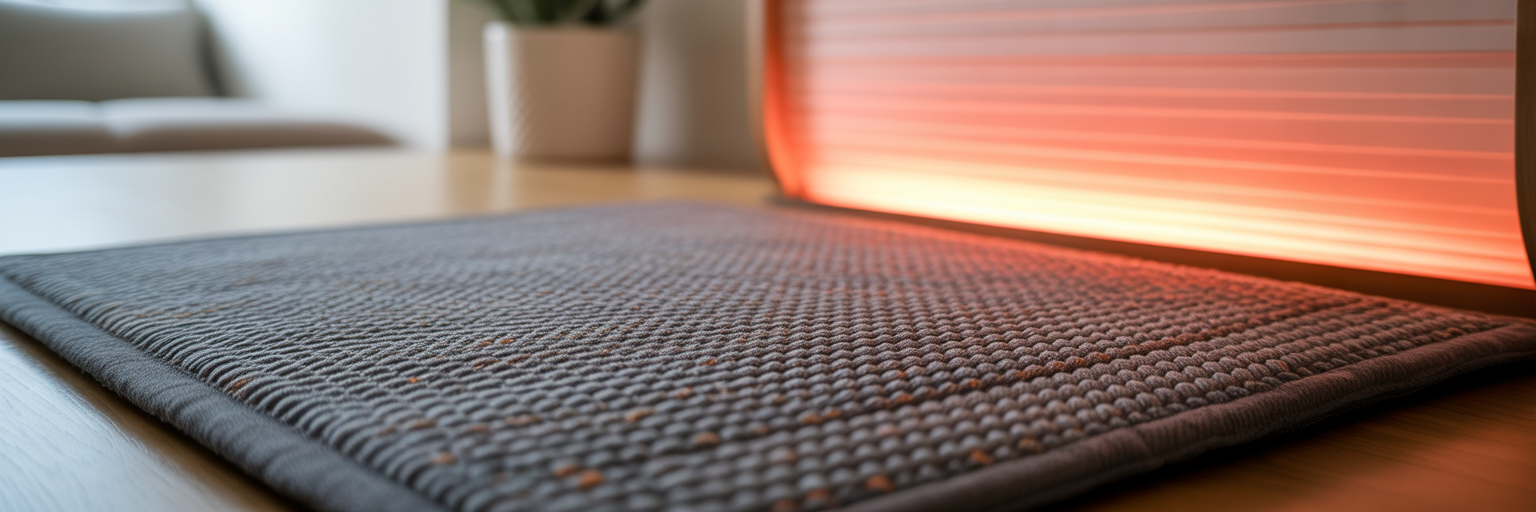
A key part of preparing for sleep is gently guiding your nervous system back to a state of calm. Red light therapy is an excellent tool for this. Unlike the disruptive blue light from phones and screens that suppresses melatonin production, the specific wavelengths from red and near-infrared light panels are non-stimulating. Using them in the evening supports your body's natural circadian rhythm and promotes a sense of relaxation without interfering with your sleep hormones.
Beyond light, passive mental recovery tools can help the brain disengage from pain signals. Guided meditations or Non-Sleep Deep Rest (NSDR) protocols, often available through apps, teach you to shift your focus away from discomfort and toward a state of restful awareness. They provide a structured way to quiet a busy mind.
The most powerful approach is often to create a multi-sensory relaxation ritual. Imagine combining these tools: lying on a PEMF mat to soothe physical tension while using a red light panel and listening to a guided meditation. This layered approach sends powerful, consistent signals of safety to your nervous system. It creates a comprehensive form of at-home pain relief for sleep that addresses both the body and the mind, making it easier to transition into a peaceful night.
Building a Consistent Nightly Recovery Routine
Having the right tools is only half the battle. The real benefits emerge when you use them consistently. A predictable nightly routine conditions your body and brain for sleep, creating powerful associations that signal it's time to wind down. The key is to find a sequence that works for your specific type of pain and lifestyle.
There is no one-size-fits-all solution. The goal is to experiment and listen to your body. Do you feel more relaxed with a longer sauna session? Does PEMF therapy feel better before or after you stretch? To help you decide which technologies might be right for you, you can read our comparison of popular tools like the sauna blanket and PEMF mat. Consider keeping a simple journal to track your routine, pain levels, and sleep quality. This data will help you identify what truly works, allowing you to refine your approach for optimal passive recovery for better sleep.
Here is a sample template you can adapt to build your own routine:
| Time Before Bed | Activity / Tool | Purpose | Customization Note |
|---|---|---|---|
| 90 Minutes | 30-min Infrared Sauna Blanket Session | Deep muscle relaxation and stiffness reduction. | Adjust duration based on comfort. Some may prefer a warm bath. |
| 30 Minutes | 20-min PEMF Mat Session | Reduce inflammation and soothe tension at a cellular level. | Combine with red light therapy for added nervous system calming. |
| 15 Minutes | Guided Meditation or NSDR | Calm the mind and disengage from pain signals. | Use an app or find free resources online. |
| Bedtime | Settle into bed with a grounding sheet. | Support stable cortisol and reduce inflammation overnight. | Ensure your mattress provides adequate pressure relief. |
A Proactive Approach to Managing Nighttime Pain
Ultimately, the goal is to shift your mindset from reactively treating pain to proactively building your body's resilience. These passive recovery tools are not just a response to a bad day; they are a daily investment in your well-being. By integrating them into a consistent routine, you give your body the support it needs to manage inflammation, ease tension, and achieve the deep sleep necessary for healing.
This comprehensive strategy allows you to improve sleep with chronic pain by addressing the problem from multiple angles:
Regulating Temperature: Using gentle heat from a sauna blanket to relax muscles and then allowing the body to cool naturally to signal deep sleep.
Easing Physical Tension: Employing tools like PEMF mats to address discomfort at a cellular level, soothing aches that prevent you from getting comfortable.
Calming the Nervous System: Creating a pre-sleep ritual with non-disruptive red light and mental relaxation techniques to quiet an overactive mind.
While chronic pain presents a significant challenge, modern passive recovery technologies offer accessible and powerful ways to support your body. By taking a proactive approach, you can interrupt the cycle of pain and sleeplessness, improve your rest, and reclaim your quality of life.