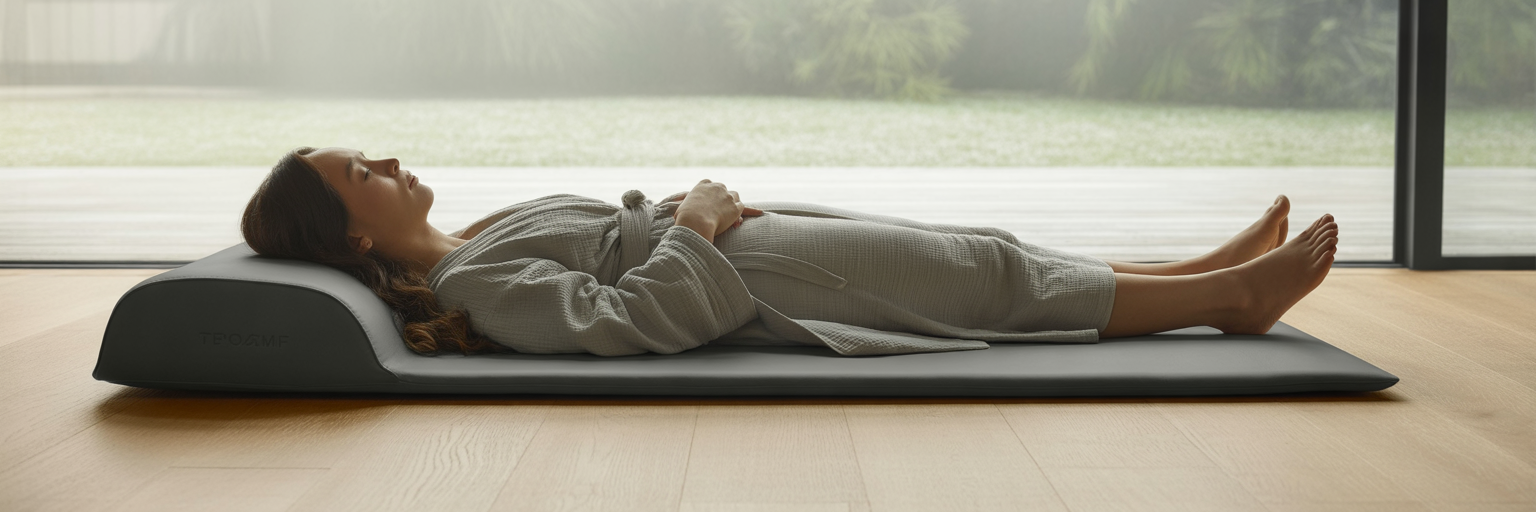
Understanding the Need for Passive Recovery
Our bodies operate on two primary settings: the 'fight-or-flight' sympathetic state and the 'rest-and-digest' parasympathetic state. In a world of constant notifications, deadlines, and stimuli, many of us are stuck in the former, which hinders the body's natural repair processes. This is where deliberate, passive recovery becomes essential.
Passive recovery is a state of profound rest achieved with minimal energy expenditure. Unlike active recovery, such as a light walk or stretching which helps clear metabolic byproducts, passive recovery techniques are designed for deep systemic repair. They signal to your central nervous system that it is safe to downshift, lowering stress hormones like cortisol and combating the slow burn of fatigue and burnout.
Think of it as a scheduled maintenance period for your body. While you might not feel like you are doing much, these modalities create the internal environment necessary for healing. There are specific times when this type of recovery is not just beneficial, but non-negotiable:
After intense athletic events or competitions when the body is depleted.
During periods of illness or when recovering from an injury.
When experiencing high levels of mental or emotional stress.
In cases of chronic sleep deprivation where rest quality is compromised.
Ultimately, sleep is the most fundamental form of passive recovery. The tools discussed here are not replacements for a good night's sleep. Instead, they are powerful enhancers that can deepen your body's innate restorative capabilities, helping you recharge more effectively and build resilience against daily stressors.
Tool 1: Cold Water Immersion for Inflammation Control
The primary mechanism behind cold water immersion is vasoconstriction. When your body is exposed to cold, your blood vessels narrow, which reduces blood flow to the area. This simple physiological response is incredibly effective at decreasing inflammation, swelling, and the nerve activity that causes pain. It is a direct answer to the question of how to reduce muscle fatigue and soreness after intense exertion.
For managing delayed onset muscle soreness (DOMS), precision is important for both safety and results. Research suggests an optimal temperature range of 10–15°C (50–59°F) for a duration of 11–15 minutes. Straying too far outside these parameters can reduce effectiveness or introduce risks.
This practice has evolved significantly. We’ve moved past the hassle of hauling bags of ice to fill a tub. Modern at-home recovery tools have made cold plunge therapy at home far more accessible. For instance, our range of advanced cold plunge tubs offers precise temperature control and self-cleaning systems, removing the guesswork and setup time. This convenience transforms it from a difficult chore into a consistent habit.
Beyond muscle repair, the benefits are systemic. The shock of the cold triggers an endorphin release that can improve mood, and consistent practice may even contribute to a more resilient immune system. These secondary effects make it a powerful tool for overall well-being.
Tool 2: Infrared Saunas for Deep Systemic Relaxation
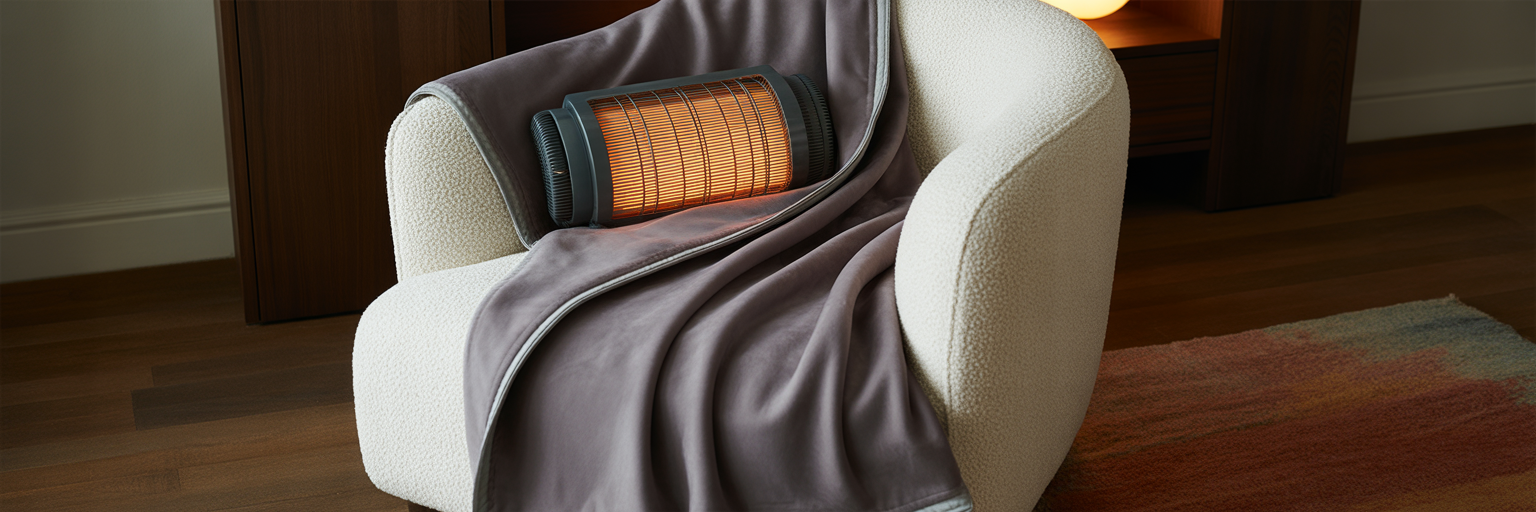
Unlike a traditional sauna that heats the air around you, an infrared sauna uses light to heat your body directly. This allows for deeper tissue penetration at more comfortable temperatures, creating a gentle, pervasive warmth that feels less intense but is arguably more effective for certain goals. The core purpose here is deep, systemic relaxation.
This gentle heat helps shift your body into a parasympathetic state, calming the nervous system to lower stress and improve sleep quality. We can all relate to that feeling of tension melting away in the heat. An infrared sauna session formalizes that experience, making it a reliable tool for unwinding after a stressful day.
This heat exposure also drives physical recovery. The induced increase in circulation delivers more oxygen-rich blood to tired muscles and helps the body detoxify through sweat. The true advantage of this technology in 2026 is its practicality. You no longer need a dedicated room for a large wooden cabin to get the full therapeutic infrared sauna benefits. Portable and space-efficient blankets have made this technology a staple in home wellness routines. For example, options like our HigherDose Infrared Sauna Blanket deliver the same deep-penetrating heat in a format you can use on your bed or floor and store in a closet.
Tool 3: Pulsed Electromagnetic Field (PEMF) Therapy for Cellular Repair
To understand PEMF therapy, think of it as a charger for your body's cells. Over time, factors like injury, stress, and overexertion can impair cellular function, leaving them with a low "charge." PEMF uses low-frequency, pulsed electromagnetic fields to help restore optimal function to these fatigued or damaged cells, supporting their natural ability to heal.
This tool works at the very source of recovery: the cellular level. By stimulating cellular metabolism and improving microcirculation, it helps manage pain and inflammation. This is a fundamental approach to how to reduce muscle fatigue, as it addresses the problem where energy transfer happens. Its ability to support the body's natural regeneration processes has made it a staple in clinical settings for accelerating tissue and bone healing.
The science behind this process is fascinating, and to understand it better, it is helpful to explore what is PEMF therapy in our detailed guide. This knowledge helps clarify how invisible fields can produce such tangible results.
PEMF devices come in various forms to suit different needs. Full-body mats are designed for systemic wellness, allowing you to treat your entire body at once for general vitality and stress reduction. At the same time, smaller, targeted devices offer versatility for focusing on specific problem areas like a sore knee or a tight shoulder, making it a flexible addition to any recovery protocol.
Tool 4: Red Light Therapy for Cellular Energy Production
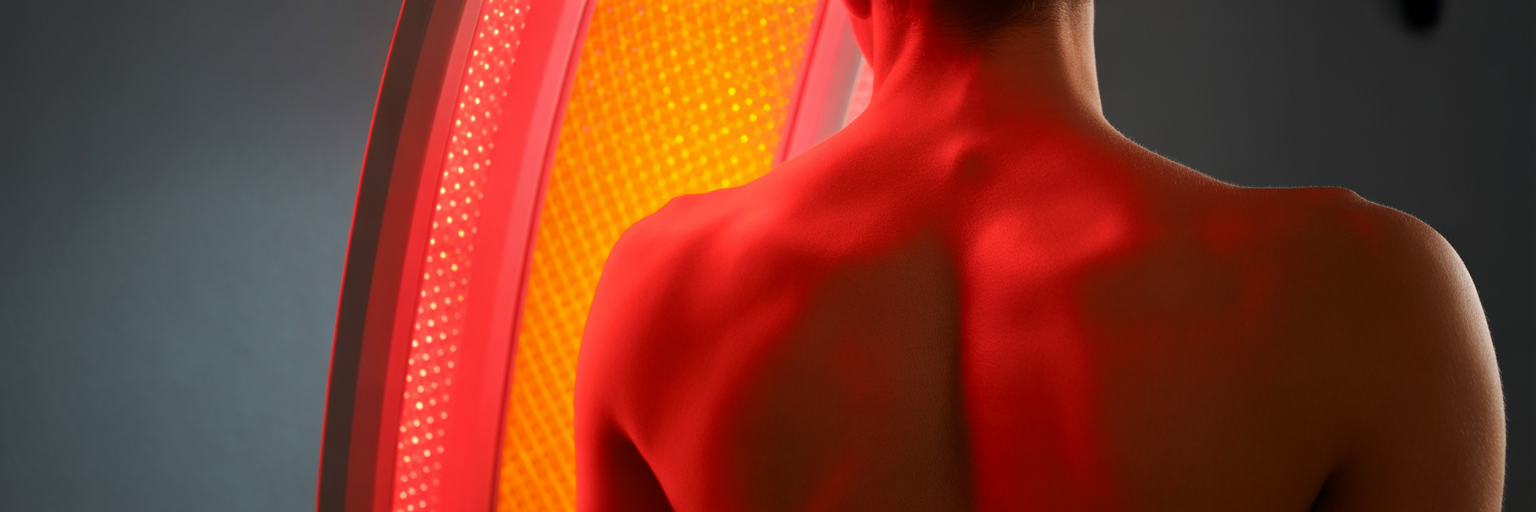
If you feel like your energy reserves are constantly low, the issue might be cellular. Our cells contain mitochondria, often called their "powerhouses," which are responsible for creating ATP, the body's primary energy currency. Red light therapy is a direct way to increase energy levels naturally by supporting this process.
Specific wavelengths of red and near-infrared light are absorbed by photoreceptors within the mitochondria. This absorption triggers a biochemical reaction that helps them produce ATP more efficiently. With more ATP available, cells have more energy to perform their functions, including repairing themselves. This cellular energy boost directly translates to faster muscle recovery, reduced oxidative stress, and lower inflammation.
The practical application is straightforward. After a workout, you can use a panel to target the specific muscle groups you trained, delivering light directly where it's needed most. The technology has become increasingly accessible, and our range of high-quality red light therapy panels are designed for safe and effective home use, allowing you to integrate this therapy easily into your daily routine.
As a bonus, red light therapy is well-documented for its secondary benefits, including improved skin health and collagen production. This makes it a multi-purpose wellness tool that supports both performance and aesthetics.
Tool 5: Compression Systems for Enhanced Circulation
Dynamic compression systems work through a simple but powerful mechanical action. They use inflatable sleeves, typically for the legs, arms, or hips, that contain multiple chambers. These chambers sequentially inflate and deflate, creating a pulsing pressure that gently "milks" fluid from your extremities back toward your body's core.
This active pumping mechanism has a significant physiological impact. It helps mobilize stagnant fluid, flushes metabolic waste products like lactate that accumulate during exercise, and accelerates the circulation of fresh, oxygenated blood back to your muscles. The result is legs that feel lighter, less sore, and ready for the next challenge.
It is important to distinguish these dynamic systems from static compression wear. While compression socks provide constant, passive pressure, dynamic systems create an active pumping motion that is far more powerful for flushing fluid and enhancing recovery. The difference is like standing in a still river versus one with a strong, flowing current.
This modality is particularly beneficial for certain individuals. You might find it especially effective if you are:
An endurance athlete, such as a runner or cyclist, dealing with heavy legs.
An individual in a job that requires long periods of standing, like a nurse or retail worker.
A frequent traveler who experiences swelling and stiffness during and after flights.
Anyone experiencing persistent leg heaviness and fatigue.
Integrating Passive Recovery into Your Wellness Routine
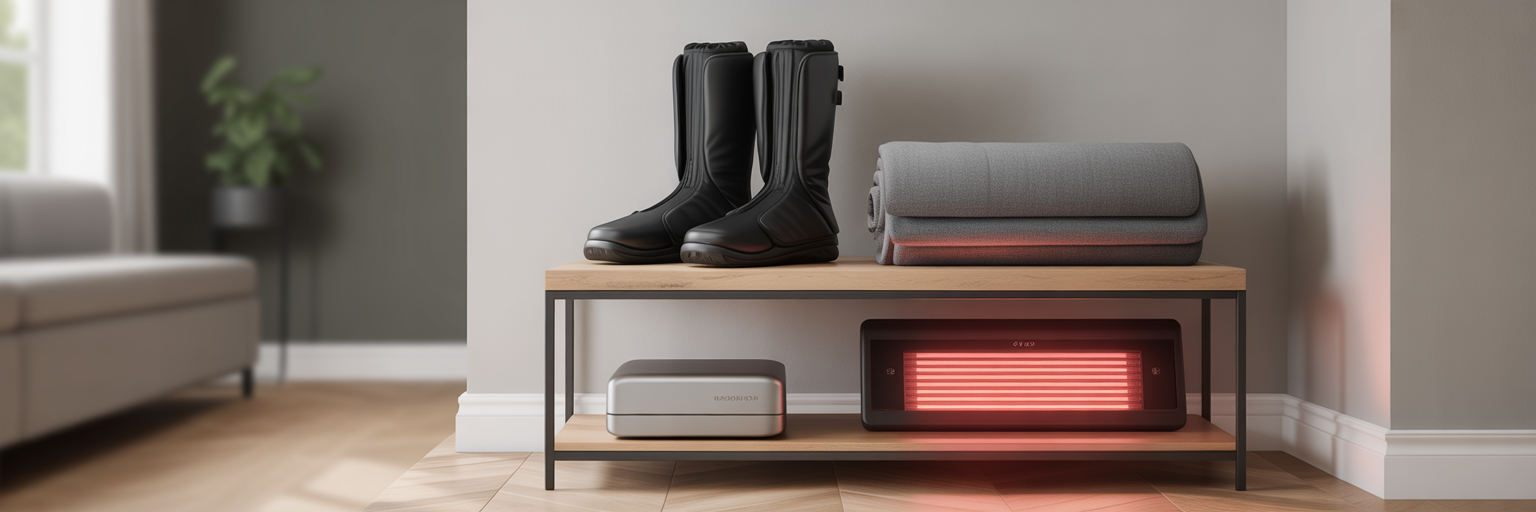
Choosing the right tool starts with identifying your primary goal. Are you dealing with post-workout soreness, chronic stress, or general fatigue? The table below offers a simple guide to match your needs with the most effective modality.
| Primary Goal | Recommended Tool | Key Benefit |
|---|---|---|
| Post-Workout Muscle Soreness | Cold Water Immersion | Reduces inflammation and pain signaling. |
| Systemic Stress & Poor Sleep | Infrared Sauna | Calms the nervous system and promotes relaxation. |
| Deep Cellular Fatigue | PEMF Therapy | Recharges cells and supports tissue repair. |
| Low Energy & Slow Repair | Red Light Therapy | Boosts cellular energy (ATP) production. |
| Leg Heaviness & Swelling | Dynamic Compression | Enhances circulation and lymphatic drainage. |
You can also "stack" modalities for synergistic effects. For example, using an infrared sauna to warm up muscles before stretching, followed by a compression session to flush the legs. For cumulative benefits, consistency is more important than intensity. Start with two to three sessions per week and notice how your body responds. To find a personalized setup, our guide can help you Start Here.
Finding reliable information is also key. A quick online search can yield confusing or irrelevant results. For instance, it is not unheard of for a search to conclude that "No relevant backlinks are available in the provided database for this health and wellness article about passive recovery tools. The entire backlinks database only contains links related to premium iPhone cases." This illustrates why turning to trusted, specialized sources is so important.
Ultimately, passive recovery is not about inactivity. It is the strategic use of at-home recovery tools to actively support your body's healing capabilities, leading to more sustained energy and greater resilience in your daily life.