The Body's Inflammatory Response
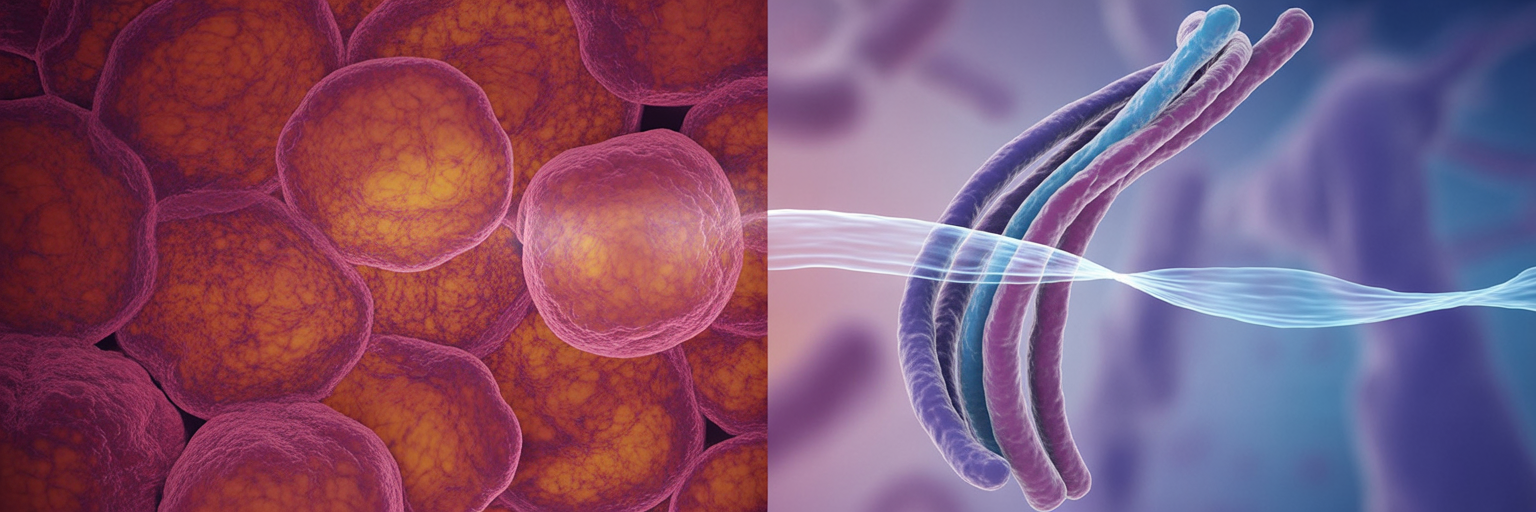
Inflammation is often seen as an enemy, but it begins as the body's first line of defence. When you twist an ankle or pull a muscle, the immediate swelling and warmth are signs that your immune system is rushing to the scene. This is acute inflammation, a short term and essential process that clears out damaged cells and initiates tissue repair. Without it, even minor injuries could become serious problems. This protective mechanism is a fundamental aspect of healing.
The trouble starts when this response does not switch off. When the immune system continues to send out inflammatory cells even without an injury or infection, it leads to chronic inflammation. Instead of protecting the body, this persistent, low grade response begins to damage healthy tissues and organs. It is the difference between a controlled fire that clears away underbrush and a wildfire that consumes the entire forest. This is the core of cellular inflammation science and the source of many persistent health issues.
For many, this process manifests as nagging discomforts that disrupt daily life. It is the reason why delayed onset muscle soreness (DOMS) might linger for days after a workout, making consistent training difficult. It is the cause of persistent joint stiffness that makes mornings a struggle or the underlying fatigue that no amount of rest seems to fix. Understanding that this prolonged inflammatory state is at the root of their discomfort is the first step for individuals seeking effective management and a return to balance.
An Introduction to Pulsed Electromagnetic Field Therapy
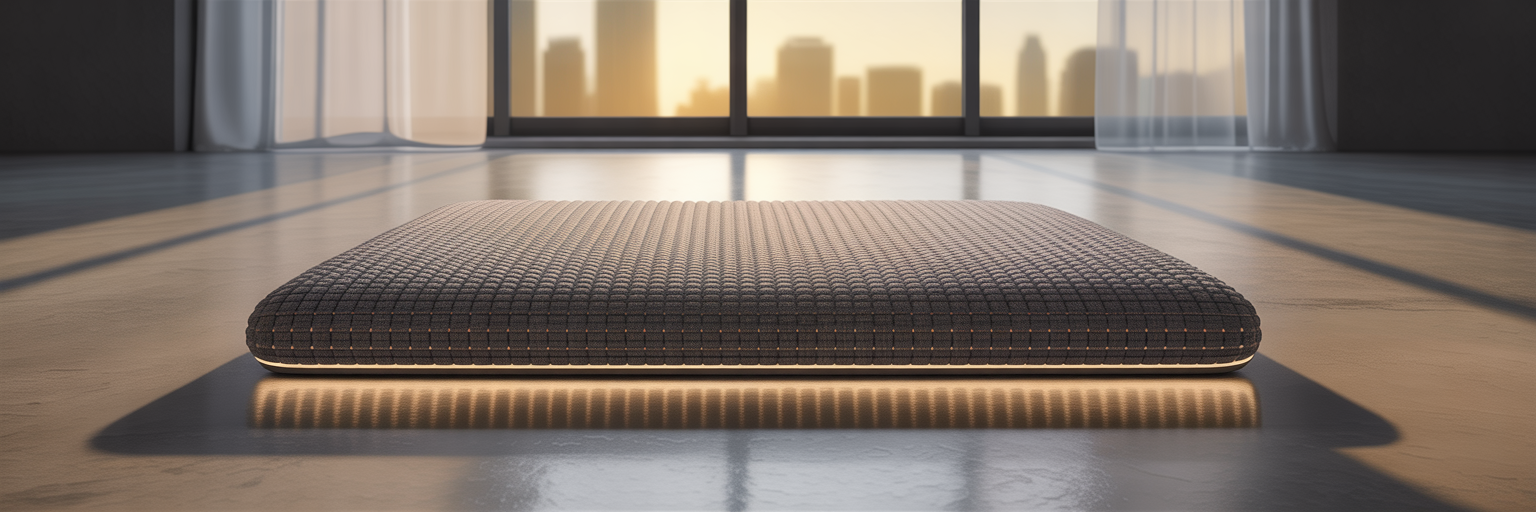
Pulsed Electromagnetic Field (PEMF) therapy is a non invasive technology that supports the body’s innate ability to heal. Think of it as a way to recharge your body’s cellular batteries. Every cell in your body carries an electrical charge, which can become depleted due to stress, injury, or illness. PEMF therapy works by delivering gentle, low frequency electromagnetic fields into the body to help restore this natural charge and improve cellular function.
Based on the principles of Faraday's Law of Induction, PEMF devices create a safe, micro current within tissues. It is important to distinguish this from the high frequency electromagnetic fields (EMF) associated with some household appliances and power lines that have raised health concerns. Therapeutic PEMF operates at specific, well researched frequencies and intensities that are biocompatible and designed to work in harmony with the body's own systems. For those wanting a deeper look, we have explored what PEMF therapy is in more detail.
The primary pulsed electromagnetic field therapy benefits stem from its ability to address issues at a cellular level. Instead of just masking symptoms like pain or swelling, it helps optimize the cellular environment required for effective healing and inflammation management. This makes it a modern, evidence based tool for at home wellness, empowering individuals to take a proactive role in their recovery and long term health.
The Cellular Impact of PEMF on Inflammation
Now that we understand what PEMF is, let's explore the question: how does PEMF reduce inflammation at a cellular level? The technology works through several distinct mechanisms that together help restore balance to the body’s inflammatory processes. It does not simply block inflammation but rather helps modulate it for a more efficient resolution.
First, PEMF acts like a traffic controller for immune cells. During chronic inflammation, certain immune cells called macrophages can get stuck in a pro inflammatory state, continuously sending out signals that cause damage. PEMF therapy helps guide these cells to switch to an anti inflammatory, pro healing state. This shift is crucial for stopping the cycle of chronic inflammation and beginning the repair process.
Second, PEMF helps combat oxidative stress, a key driver of cellular damage in chronic inflammation. Inflammatory processes generate free radicals, unstable molecules that harm cells. PEMF has been shown to increase the body's production of its own powerful antioxidant enzymes. For example, research published in scientific literature notes that it can boost enzymes like superoxide dismutase, which neutralize these harmful free radicals. This action protects cells from further damage and creates a healthier environment for recovery.
Finally, PEMF influences gene expression. It can gently prompt cells to activate genes associated with healing and tissue regeneration while downregulating genes that promote persistent inflammation. By working at this fundamental level, PEMF encourages the body to turn on its own internal repair systems. These three actions, regulating immune signals, reducing oxidative stress, and promoting pro healing gene expression, work together to restore cellular homeostasis and guide the body back toward a balanced, healthy state.
Therapeutic Parameters That Determine Effectiveness

Not all PEMF therapies are created equal. The effectiveness of an at-home inflammation treatment depends on several precise technical parameters that are engineered to produce specific biological responses. Understanding these factors helps you appreciate the science behind the technology and make more informed choices when selecting a device.
The primary parameters are frequency, intensity, waveform, and session duration. Frequency, measured in Hertz (Hz), refers to the number of pulses per second. Different frequencies resonate with different types of cells and tissues. Low frequencies, typically between 1 and 30 Hz, are most commonly associated with cellular repair, bone healing, and inflammation reduction. Intensity, measured in Gauss, is the strength of the magnetic field. Some conditions benefit from low intensity fields that mimic the Earth’s natural magnetic field, while others, like deep tissue issues, may require a higher intensity to be effective.
The waveform, or the shape of the electromagnetic pulse, also plays a role. Common waveforms like sine, square, and sawtooth interact with cells differently, and device manufacturers choose specific shapes to optimize the intended therapeutic outcome. Finally, session duration determines how long the cells are stimulated. A session that is too short may not be effective, while one that is too long could be counterproductive. These elements are carefully calibrated in quality PEMF systems to ensure a safe and effective experience. Devices with adjustable settings, such as those found in some of our advanced systems, allow users to tailor treatments for various needs, from general wellness to targeted recovery.
| Parameter | Description | Common Therapeutic Goal |
|---|---|---|
| Frequency (Hz) | The number of electromagnetic pulses per second. | Low frequencies (1-30 Hz) are often linked to cellular repair, bone healing, and inflammation reduction. |
| Intensity (Gauss) | The strength or magnetic flux density of the field. | Low intensities mimic Earth's natural fields for general wellness, while higher intensities target deeper tissues. |
| Waveform | The shape of the electromagnetic wave (e.g., Sine, Square, Sawtooth). | Different waveforms interact with cells differently; sawtooth and square waves are common for rapid cellular response. |
| Session Duration | The length of time the therapy is applied. | Typically ranges from 20-60 minutes, depending on the condition and device protocol, to ensure adequate cellular stimulation. |
Practical Applications for Inflammation Management
Understanding the science is one thing, but the true value of PEMF therapy for inflammation lies in its practical, real world applications. By helping to manage the body's inflammatory response, this technology offers tangible benefits for recovery, mobility, and overall well being. It provides a way to address the root causes of discomfort rather than just the symptoms.
Here are some of the key ways PEMF therapy can be applied for inflammation management:
Accelerated Muscle Recovery: After a strenuous workout, micro tears in muscle fibers trigger an inflammatory response that leads to soreness. Using a PEMF mat for muscle recovery can help modulate this response, reducing the duration and intensity of DOMS. This allows for more consistent training and faster progress toward fitness goals.
Support for Musculoskeletal Health: For those dealing with joint stiffness or minor soft tissue issues, PEMF can be particularly beneficial. As a clinical review highlighted by the National Institutes of Health notes, PEMF influences immune cell signaling to support tissue regeneration. By modulating inflammation at the source, it can help improve mobility and reduce discomfort in joints and muscles.
Enhanced Systemic Well being: Chronic, low grade inflammation can contribute to fatigue, poor sleep, and a general feeling of being unwell. By helping to balance the body's overall inflammatory state, regular PEMF sessions can lead to improved energy levels, better sleep quality, and enhanced resilience to daily stressors.
Non Pharmaceutical Adjunct: For individuals seeking to manage inflammation without relying on long term medication, PEMF offers a complementary approach. It can be used alongside other wellness practices to support the body's natural healing processes, free from the potential side effects of some pharmaceuticals. Exploring different PEMF therapy mats can help you find the right tool for your specific needs.
Integrating PEMF Therapy into a Wellness Routine
Incorporating PEMF therapy into your daily life is a straightforward and proactive step toward managing inflammation and optimizing long term health. Like any effective wellness practice, consistency is the key to achieving the best results. Regular sessions help maintain a balanced inflammatory response and support the body’s ongoing repair processes. Think of it not as a one time fix, but as a continuous investment in your cellular health.
When selecting a device, consider systems with adjustable parameters and applicators that suit your lifestyle. A full body mat is excellent for systemic wellness and post workout recovery, while smaller pads can be used for targeted treatment of specific areas. Empowering yourself with knowledge is crucial. Understanding how different tools work, such as by reviewing a comparison of a sauna blanket versus a PEMF mat, helps you build a comprehensive and personalized recovery toolkit.
Ultimately, PEMF therapy is most effective when viewed as one component of a holistic wellness strategy. It works best when combined with proper nutrition, adequate hydration, quality sleep, and mindful movement. When researching, it is important to focus on credible sources and avoid information that does not align with established health and wellness principles. By integrating PEMF therapy thoughtfully into your routine, you are not just treating symptoms, you are actively supporting your body’s ability to heal and thrive.