The Foundation of Modern Muscle Recovery
The dialogue around peak performance has evolved. It has moved beyond the gym, focusing less on the intensity of the workout and more on the quality of the recovery that follows. This shift recognizes that progress isn't just made during training but in the quiet moments of repair. This is where a smart at-home muscle recovery strategy becomes essential.
At the heart of this strategy are passive recovery techniques. Unlike active recovery, which involves gentle movement like stretching or foam rolling, passive methods require minimal physical effort. Instead, they use technology to support the body’s natural healing processes while you rest. Think of them as targeted tools that amplify your body's ability to repair itself after physical stress.
However, it's important to state a fundamental truth: no device can replace the biological necessity of quality sleep. Sleep is the ultimate, non-negotiable form of passive recovery, orchestrating a complex symphony of hormonal and cellular repairs. The technologies we will explore are powerful supplements to this foundation, not substitutes for it. For those just beginning to build their wellness toolkit, understanding the landscape of available technologies is a great first step. You can explore a curated selection of options to see what aligns with your goals by visiting our guide on where to begin your recovery journey.
With that foundation in place, we can look at three science-backed modalities to enhance your body's innate repair mechanisms: cold water immersion, red light therapy, and Pulsed Electromagnetic Field (PEMF) therapy.
Harnessing Cold Plunges for Peak Recovery
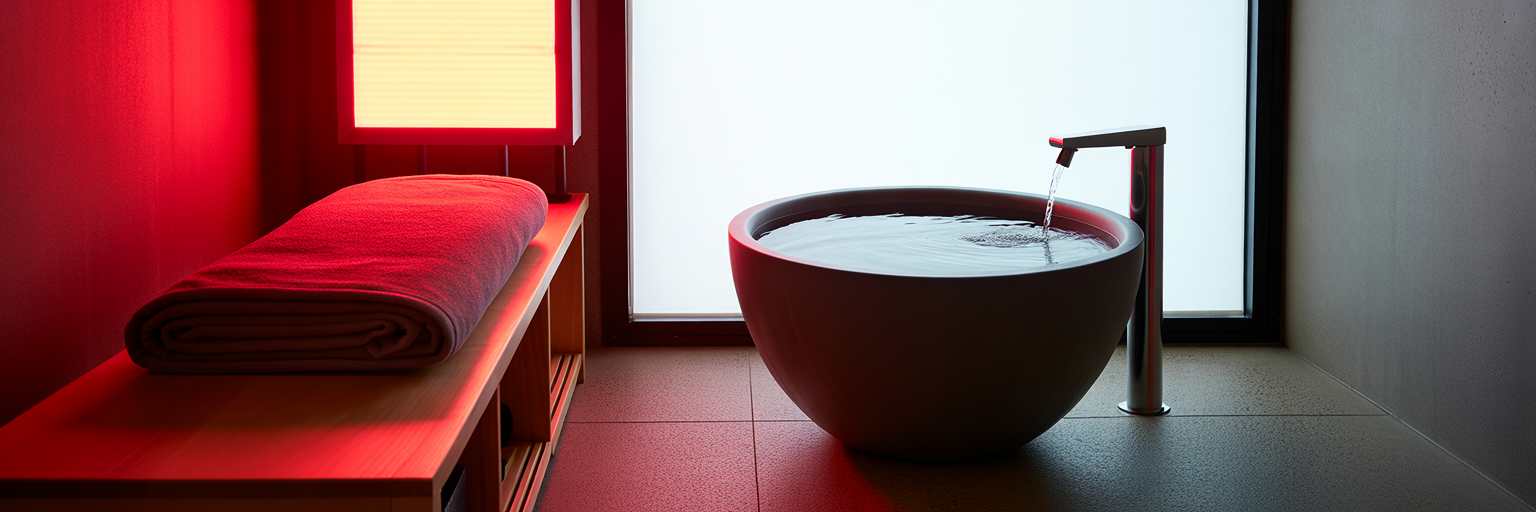
Cold water immersion is more than just a test of willpower. It is a powerful physiological tool for managing inflammation and accelerating recovery. When you submerge your body in cold water, your blood vessels constrict. This process, known as vasoconstriction, helps reduce swelling and flush metabolic byproducts like lactic acid from your muscles. The result is often a noticeable decrease in Delayed Onset Muscle Soreness (DOMS), that familiar ache that appears a day or two after a tough workout.
If you're wondering how to use a cold plunge at home for the best results, consistency and protocol are key. Here’s a simple framework to start with:
- Temperature: Aim for a range between 39–55°F (4–12°C). You don't need to start at the coldest temperature to see benefits.
- Duration: Stay immersed for 3–11 minutes. Even a few minutes can be effective for managing muscle soreness.
- Frequency: Depending on your training intensity, you can use it several times a week. Listen to your body.
The most critical factor to consider is timing. Plunging immediately after a resistance training session can actually blunt the inflammatory response needed for muscle growth. This careful timing is supported by research, as detailed in a review from Current Sports Medicine Reports, which examines how different passive recovery strategies influence the body's response to exercise. For optimal results without hindering your gains, it's best to wait at least four hours post-workout or use cold plunges on rest days. Beyond the physical, the mental benefits of building resilience and the mood boost from dopamine release make it a truly holistic tool. For those ready to incorporate this powerful modality, a wide range of cold plunge tubs are available to fit your space and budget.
Cellular Repair with Red Light Therapy
Red light therapy (RLT), also known as photobiomodulation, offers a different approach to recovery that works at the cellular level. It might sound complex, but the mechanism is quite straightforward. Specific wavelengths of red and near-infrared light penetrate the skin and underlying tissues to stimulate mitochondria, the powerhouses of our cells. This stimulation boosts the production of ATP (adenosine triphosphate), which is the primary energy currency for all cellular functions, including repair.
What truly sets red light therapy for recovery apart is that it has virtually no "recovery cost." Unlike a workout or even a cold plunge, it doesn't place any stress on the body. This makes it an ideal modality for daily use, with typical sessions lasting just 10 to 20 minutes. You can even use it as a "primer" before other therapies. A short RLT session before a sauna or cold plunge can help prepare your cells for the therapeutic stress to come, potentially enhancing the overall benefits.
The primary benefits include accelerated tissue repair, reduced inflammation, and improved skin health. This process of cellular support is fundamental to all forms of tissue healing. For instance, the detailed aftercare required for healing new ink and piercings perfectly demonstrates how crucial it is to create the right environment for skin to repair itself, a principle that red light therapy applies at a microscopic level. With its ability to support cellular energy, incorporating a dedicated device can be highly effective. You can explore many high-quality red light therapy panels designed for home use to find the right fit for your routine.
Restoring Balance with PEMF Therapy
Pulsed Electromagnetic Field (PEMF) therapy introduces another unique mechanism for recovery. It uses low-frequency, gentle electromagnetic fields to "recharge" your cells, much like a battery charger for your body. These fields interact with your cells to improve their function, enhance circulation, and support the body's natural recovery processes. Because PEMF works on a subtle, energetic level, many users wonder what it feels like. To learn more about the science, you can read our in-depth guide, 'What is PEMF Therapy?'.
It's important to differentiate PEMF from other therapies. While red light therapy is excellent for surface-level muscle soreness and skin health, PEMF excels at addressing deeper issues. The PEMF therapy benefits are particularly noted for easing joint stiffness, supporting bone health, and relieving general body aches that feel more systemic. This makes it a powerful tool for those dealing with chronic discomfort or seeking whole-body restoration.
Perhaps the most distinct role for PEMF is as an evening wind-down tool. Its gentle pulses have a calming effect on the nervous system, helping to shift your body into a parasympathetic "rest and digest" state. This makes it a perfect contrast to the invigorating, stimulating nature of a cold plunge. While a cold plunge sharpens your mind and reduces acute inflammation, a PEMF session prepares your body for deep, restorative sleep. Using a PEMF mat before bed can help you fall asleep faster and improve your overall sleep quality, allowing your body to maximize its natural overnight repair cycle.
Building Your Personalized Recovery Protocol
Understanding these tools is the first step. The next is integrating them into a consistent muscle recovery routine that works for you. The most effective approach is often "stacking" therapies to create a synergistic effect. However, the goal isn't to do everything at once but to choose the right tool for the right time. A morning routine should energize you for the day, while an evening routine should prepare you for restorative sleep.
Here are two examples of how you can stack these modalities:
| Routine Type | Modality & Order | Recommended Duration | Primary Goal |
|---|---|---|---|
| Morning / Post-Workout | 1. Red Light Therapy 2. Cold Plunge |
10-15 min (RLT) 3-5 min (Cold Plunge) |
Reduce soreness, boost energy, and decrease inflammation. |
| Evening Wind-Down | 1. PEMF Mat or 2. Infrared Sauna Blanket |
20-30 min (PEMF) 30-45 min (Sauna) |
Calm the nervous system, improve sleep quality, and promote deep tissue relaxation. |
Note: These protocols are designed to maximize physiological benefits based on the time of day. The morning routine is stimulating, while the evening routine is calming to support natural circadian rhythms.
To ensure consistency, try "habit stacking." This means anchoring a new recovery habit to an existing part of your day.
- Identify an existing habit: This could be your morning coffee, brushing your teeth before bed, or the moment you get home from the gym.
- Anchor the new routine: Place your new recovery practice immediately before or after that established habit. For example, "After I finish my workout, I will do a 10-minute red light therapy session."
- Start small: Don't try to implement everything at once. Begin with one modality and track how you feel. Notice your soreness, energy levels, and sleep quality. Once it becomes a habit, you can consider adding another.
Deciding between an evening session with an infrared sauna blanket or a PEMF mat often comes down to personal preference and specific goals. For a detailed comparison of these two popular tools, see our analysis.
Important Considerations for Safe Recovery
While these passive recovery techniques are generally safe for home use, responsible application is paramount. Before beginning any new therapy, it is crucial to screen for medical contraindications. For example, individuals with implanted electronic devices, such as pacemakers, should avoid PEMF therapy. When in doubt, always consult your doctor before starting.
It's also important to embrace the principle of bio-individuality. What does that mean? Simply put, you must listen to your body. The protocols provided are excellent starting points, but they are not rigid rules. You may find that a shorter cold plunge feels better or that a lower intensity on your PEMF mat is more relaxing. Pay attention to how you feel during and after each session, and adjust the duration, frequency, and intensity accordingly.
To help with this, consider keeping a simple journal. Note your soreness levels on a scale of 1 to 10, your sleep quality, and your overall energy. This data, even if subjective, is invaluable. It helps you validate which tools and routines are delivering the most significant benefits for you. This personalized feedback loop is what transforms a collection of recovery tools into a truly effective system.
Finally, always consult with a healthcare professional, especially if you are managing chronic pain or have a specific medical condition. They can help ensure that you are using these powerful tools safely and effectively. Staying informed is key to a successful wellness journey, and for more articles on recovery technologies, we invite you to explore our full range of topics on the Personal Recovery Lab blog.