Beyond Sleep Hygiene: The Role of Physical Recovery
Many of us follow the established rules for good sleep hygiene. We keep our rooms dark, avoid screens before bed, and maintain a consistent schedule. Yet, a significant number of people still struggle with restless nights. According to the CDC, more than a third of adults in the United States do not get enough sleep on a regular basis. This widespread frustration suggests the problem often runs deeper than our evening habits. The issue may be physiological, rooted in the body’s physical state rather than just its behavioral cues.
This is where passive recovery comes into play. Unlike active recovery, which involves gentle movement like stretching or walking, passive recovery uses techniques and technologies that help the body repair itself without any physical effort from you. Think of lying on a therapy mat or sitting in a sauna. The primary goal of passive recovery for sleep is to address the underlying physical stressors that prevent rest, such as systemic inflammation and a hyper-aroused nervous system.
When your body is dealing with these internal stressors, it remains in a state of high alert, making it difficult to transition into the deep, restorative sleep it needs. By directly targeting these physiological barriers, passive recovery methods do more than just help you feel relaxed. They scientifically prepare your body for rest, addressing the root causes of poor sleep that a dark room alone cannot fix.
Calming the Nervous System for Rest
To understand how passive recovery works, it helps to think of your autonomic nervous system as having two primary modes: an accelerator and a brake. The sympathetic nervous system is the accelerator, triggering our "fight-or-flight" response to handle stress. The parasympathetic nervous system is the brake, initiating a "rest-and-digest" state that allows for recovery and relaxation. In modern life, constant digital notifications, work pressures, and physical demands can keep that accelerator pressed down all day, making it difficult for the body to apply the brake when it is time to sleep.
Passive recovery techniques act as a manual override, helping you engage the parasympathetic brake. This process directly influences cortisol, the body's main stress hormone. Elevated cortisol levels in the evening are a major barrier to falling asleep, as the hormone is designed to keep you awake and alert. Specific recovery methods can help lower evening cortisol, signaling to your body that the day's threats have passed and it is safe to power down.
A key metric for measuring this balance is Heart Rate Variability (HRV), which is the variation in time between each heartbeat. A higher HRV indicates a strong parasympathetic tone, meaning your body is resilient and can easily shift into a state of rest. Just as technology provides advanced tools and comprehensive guides like this one on AI and SEO to help us master complex subjects, modern science gives us tools to understand and influence our own physiology. Certain recovery tools have been shown to improve this crucial metric, effectively fine-tuning your nervous system and preparing your body for a night of quality sleep.
Reducing Inflammation and Muscle Tension
Beyond an overactive nervous system, physical discomfort is another significant obstacle to restorative sleep. Conditions like delayed onset muscle soreness (DOMS) after a workout or even low-grade chronic inflammation from daily stress send persistent alert signals to the brain. This constant signaling can fragment your sleep architecture, preventing you from reaching the deeper, more restorative stages of sleep. The connection between muscle recovery and sleep is direct: when your body is in pain, it cannot fully rest.
Inflammation is a natural healing process, but when it becomes chronic, it disrupts the body's equilibrium. Key inflammatory markers like interleukin-6 and C-reactive protein contribute to a state of systemic stress that interferes with normal sleep cycles. The goal is to reduce inflammation for better sleep by managing these physical stressors before you get into bed. Passive recovery modalities are designed to do exactly that, each using a distinct physiological mechanism.
Cold Therapy (Cold Plunge): Immersing the body in cold water causes vasoconstriction, the narrowing of blood vessels. This process helps flush out inflammatory byproducts and metabolic waste that accumulate in tissues after exertion, effectively clearing the way for cellular repair.
Heat Therapy (Infrared Sauna): In contrast, applying heat promotes vasodilation, or the widening of blood vessels. This increases blood flow, delivering a fresh supply of oxygen and nutrients to sore muscles while helping to ease tension and stiffness.
A 2018 systematic review published in the Journal of Athletic Training supports the use of post-exercise recovery techniques to reduce markers of inflammation. By actively managing your body's physical stress load before bedtime, you remove a major physiological barrier to rest. This allows your body to stop managing pain and start prioritizing deep, uninterrupted sleep.
Evidence-Based Recovery Methods for Sleep Enhancement
A variety of at-home recovery systems are available to help manage these physiological processes. Understanding how each one works allows you to choose the right tool for your specific needs, creating a targeted approach to improving sleep.
Passive Heat Exposure: Infrared Sauna Blankets
Infrared heat penetrates more deeply into muscle tissue than traditional saunas. This deep warmth promotes profound muscle relaxation, easing the physical tension that can keep you tossing and turning. Furthermore, this type of heat exposure can trigger the release of endorphins, the body's natural pain-relievers, which have a mild sedative effect that is highly conducive to sleep. You can explore different options within our collection of infrared sauna blankets to find one that suits your routine.
Cold Water Immersion: Cold Plunges
The benefits of a cold plunge extend beyond just reducing inflammation. The initial shock of the cold water powerfully stimulates the vagus nerve, a primary component of the parasympathetic "brake" system. This stimulation helps lower your heart rate, reduce anxiety, and induce a state of calm that can last for hours, making it easier to fall asleep later in the evening.
Deep Pressure Stimulation: PEMF Mats
Pulsed Electromagnetic Field (PEMF) therapy works on a more subtle, cellular level. These gentle magnetic pulses help downregulate the HPA axis, which is the body's central stress response system. By calming this axis, PEMF therapy can help reduce circulating cortisol levels and promote a state of deep relaxation without any active effort. Our PEMF therapy mats are designed to deliver this benefit in a convenient, at-home format.
Gentle Percussive Therapy
While often used for intense muscle treatment, a massage gun can also be a valuable tool for pre-sleep relaxation. The key is to use it differently. Instead of an aggressive, deep-tissue application, a gentle, low-intensity setting on areas of tension like the shoulders, neck, and traps can help lower cortisol and release localized tightness. It is important to avoid intense use before bed, as that can be counterproductive and heighten arousal.
| Modality | Primary Sleep Mechanism | Best For |
|---|---|---|
| Infrared Sauna Blanket | Deep muscle relaxation, endorphin release | Winding down from mental stress, relieving general muscle tightness |
| Cold Plunge | Vagus nerve stimulation, systemic inflammation reduction | Post-intense workout recovery, reducing physical stress |
| PEMF Mat | HPA axis downregulation, cortisol reduction | Calming a hyper-aroused nervous system, daily stress management |
| Gentle Percussive Therapy | Localized muscle relaxation, cortisol reduction | Targeting specific areas of muscle tension before bed |
Building Your Pre-Sleep Recovery Ritual
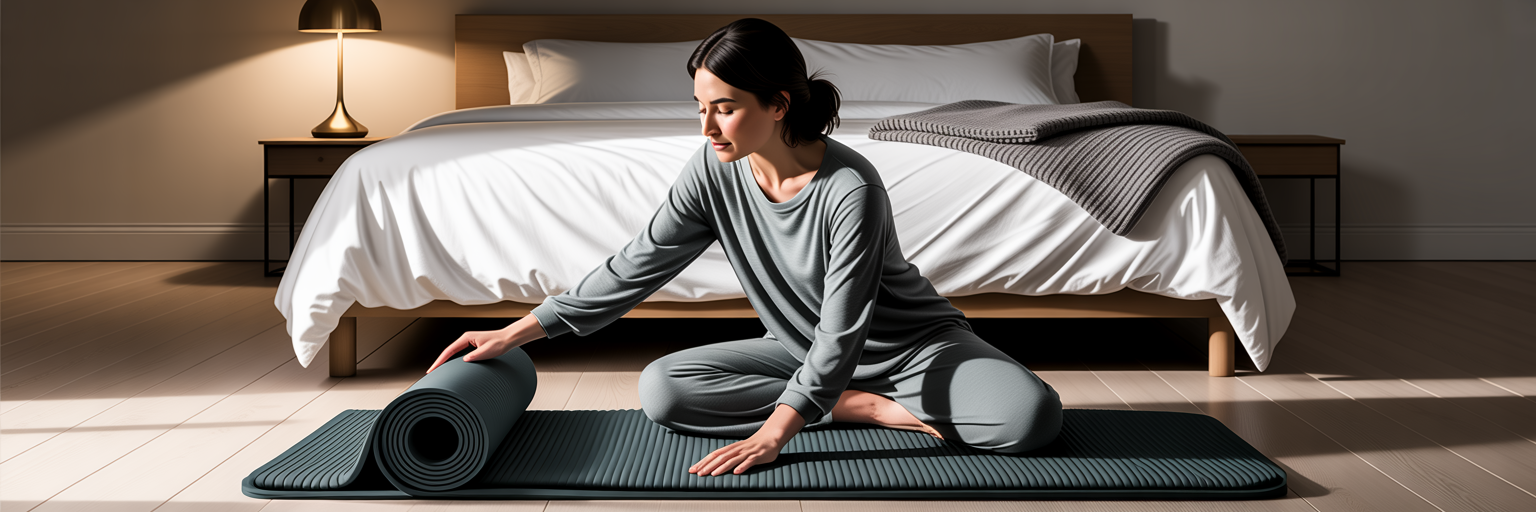
Moving from theory to practice is about creating a consistent and personalized routine. A pre-sleep ritual using passive recovery tools can become a powerful signal to your body that it is time to wind down. Here is a simple framework to get started:
Set a Consistent Time: Begin your recovery ritual 60 to 90 minutes before your intended bedtime. This consistency helps regulate your circadian rhythm and trains your brain to anticipate sleep.
Layer Modalities Thoughtfully: You can combine different tools for a synergistic effect. For example, a 20-minute session in an infrared sauna blanket can raise your core body temperature, and the subsequent cool-down period naturally promotes sleepiness. You could follow this with 10 minutes of mindful breathing on a PEMF mat to further calm the nervous system.
Listen to Your Body: The best tool for you will change based on the demands of your day. After a heavy leg workout, a cold plunge might be ideal for managing inflammation. Following a mentally taxing day at work, the deep relaxation from a sauna blanket may be more beneficial. This is where understanding the differences between tools, such as those detailed in our comparison of cold plunges and infrared sauna blankets, becomes critical.
Create a Psychological Cue: Over time, the ritual itself becomes as important as the tools you use. The simple act of consistently setting aside this time for recovery creates a powerful psychological cue, signaling to your brain and body that the day is over and it is time to prepare for rest.
The Long-Term Gains of Restorative Sleep
Ultimately, passive recovery is not a quick fix or a luxury. It is a scientific approach to managing your body's physiological state to enable the restorative sleep you need. Consistently achieving deep, non-rapid eye movement (NREM) sleep has profound long-term benefits. This is the stage where critical processes like hormonal regulation, including the release of growth hormone for tissue repair, and cellular cleanup through autophagy occur. The primary objective is to improve deep sleep quality for sustained health.
Adopting passive recovery techniques into your routine is a direct investment in your long-term health, cognitive function, and overall well-being. It is about giving your body the support it needs to perform its most fundamental restorative processes night after night, for years to come. And our curated selection of recovery technologies is designed to support that journey.