The Modern Disconnect from Natural Rest
We all know the feeling. It’s 10 p.m., your body is exhausted, but your mind is still racing. This “tired but wired” state has become a signature of modern American life. It’s the direct result of a lifestyle filled with work deadlines, endless digital notifications, and the constant glow of artificial light from our screens. This environment keeps our autonomic nervous system stuck in a high-alert, “fight or flight” mode. This is known as the sympathetic state.
The opposite of this is the parasympathetic state, often called “rest and digest.” This isn’t a luxury. It is a biological necessity for your body to perform its nightly maintenance, from repairing muscle tissue to consolidating memories. When we can’t make that switch, sleep becomes shallow and unrefreshing. Poor sleep is rarely the root problem; it’s a symptom of a nervous system that has forgotten how to power down.
The challenge, then, is not just about trying harder to sleep. It’s about intentionally guiding the body out of that chronic stress response. This is where passive recovery technologies come into play. They are not sedatives or quick fixes. Instead, they are sophisticated tools designed to create the physiological conditions that allow your body to enter the parasympathetic state naturally. By using them, you can help your system recalibrate and rediscover its innate ability to achieve deep, restorative rest. For those curious about the range of modern wellness solutions, we explore many of them on our blog.
Red Light Therapy for Circadian Rhythm Support
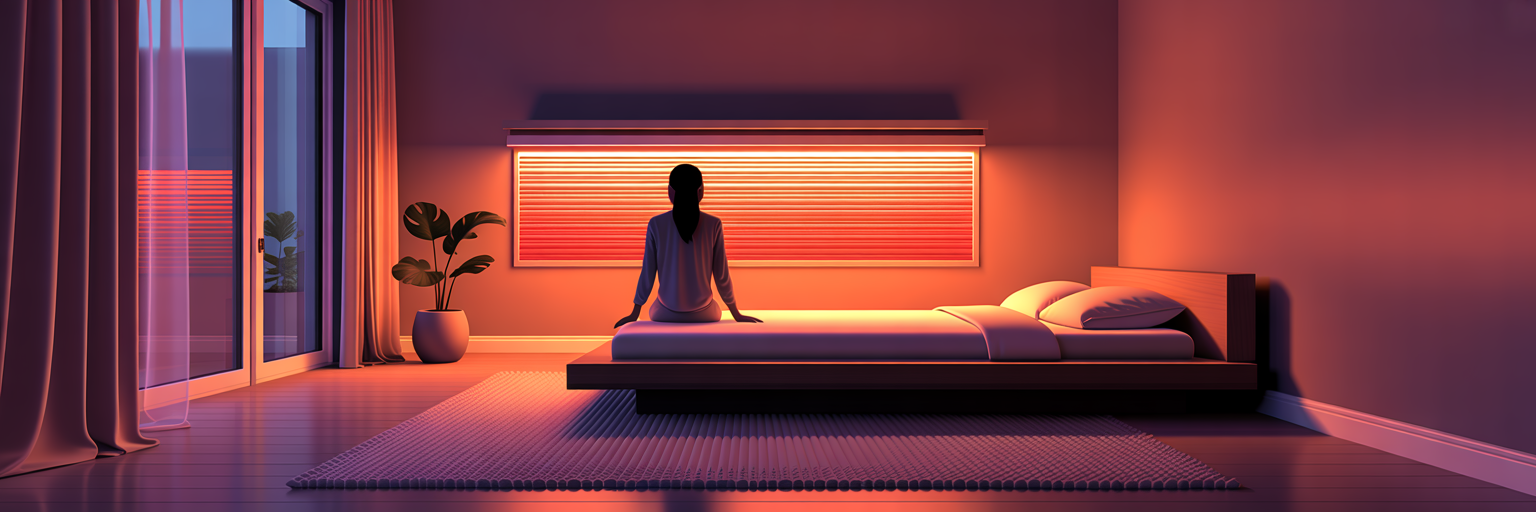
One of the biggest disruptors of our natural sleep cycle is light, specifically the blue light from phones and computers that tells our brain to stay awake. Red light therapy works in the opposite way, using specific wavelengths of light to signal that it’s time to wind down. It’s a targeted approach to resetting your internal clock.
How Red Light Influences Melatonin
Unlike blue light, which suppresses the production of the sleep hormone melatonin, certain wavelengths of red and near-infrared light do not. Research suggests that exposure to red light in the evening, particularly around 660nm and 850nm, can help support the body’s natural melatonin release. Think of it as replacing a disruptive signal (blue light) with a supportive one. This helps your body align with the natural rhythm of sunset, making the transition into sleep feel more seamless and less forced.
Cellular Energy for Nightly Repair
The benefits of red light therapy for sleep go deeper than just hormones. At a cellular level, red light interacts with the mitochondria, the powerhouses within our cells. This interaction helps boost the production of ATP, which is the energy currency of the cell. By using red light therapy before bed, you are essentially pre-loading your cells with the energy they need to carry out their vital repair and regeneration processes more efficiently while you sleep. It’s like giving your body’s nightly cleanup crew a full tank of gas before their shift begins.
Evening Protocol for Optimal Results
Integrating this into your routine is simple. Aim for a 10 to 20 minute session in the evening as you begin to wind down. You can sit in front of one of our red light therapy panels while you read a book or listen to calming music. The key is consistency. Making this a regular part of your pre-sleep ritual helps reinforce your body’s circadian rhythm, creating a powerful and cumulative effect over time.
Infrared Sauna Blankets for Deep Relaxation
While red light helps regulate your internal clock, therapeutic heat addresses a different piece of the sleep puzzle: physical tension and core body temperature. An infrared sauna blanket offers a unique way to prepare the body for rest. Unlike a traditional sauna that heats the air around you, an infrared blanket uses radiant heat to warm your body directly from the inside out, triggering a cascade of sleep-promoting responses.
The Science of the Cool-Down Effect
It might seem counterintuitive, but heating your body up can be one of the most effective ways to help it fall asleep. When you use an infrared sauna blanket, you elevate your core body temperature. Once your session is over, your body begins its natural process of cooling down. This gradual drop in core temperature is a powerful biological signal to your brain that it is time to sleep. It mimics the natural temperature drop that occurs in the evening, reinforcing your body’s readiness for rest.
Lowering Cortisol and Relaxing Muscles
Beyond temperature regulation, the deep, penetrating heat from an infrared sauna for sleep has a direct impact on stress. The gentle warmth helps relax tight, sore muscles, releasing the physical tension you’ve accumulated throughout the day. At the same time, studies have shown that this type of heat therapy can help lower evening levels of cortisol, the primary stress hormone. By tackling both physical tension and the chemical markers of stress, you create a state of profound relaxation that makes it much easier to drift off to sleep.
To maximize these benefits, timing is everything. We recommend finishing your sauna session 60 to 90 minutes before you plan to go to bed. This window gives your body enough time to experience that crucial cool-down effect, setting the stage for a night of deep and uninterrupted sleep. You can explore different types of our infrared sauna blankets to find one that fits your routine.
PEMF Mats to Recalibrate Your Nervous System
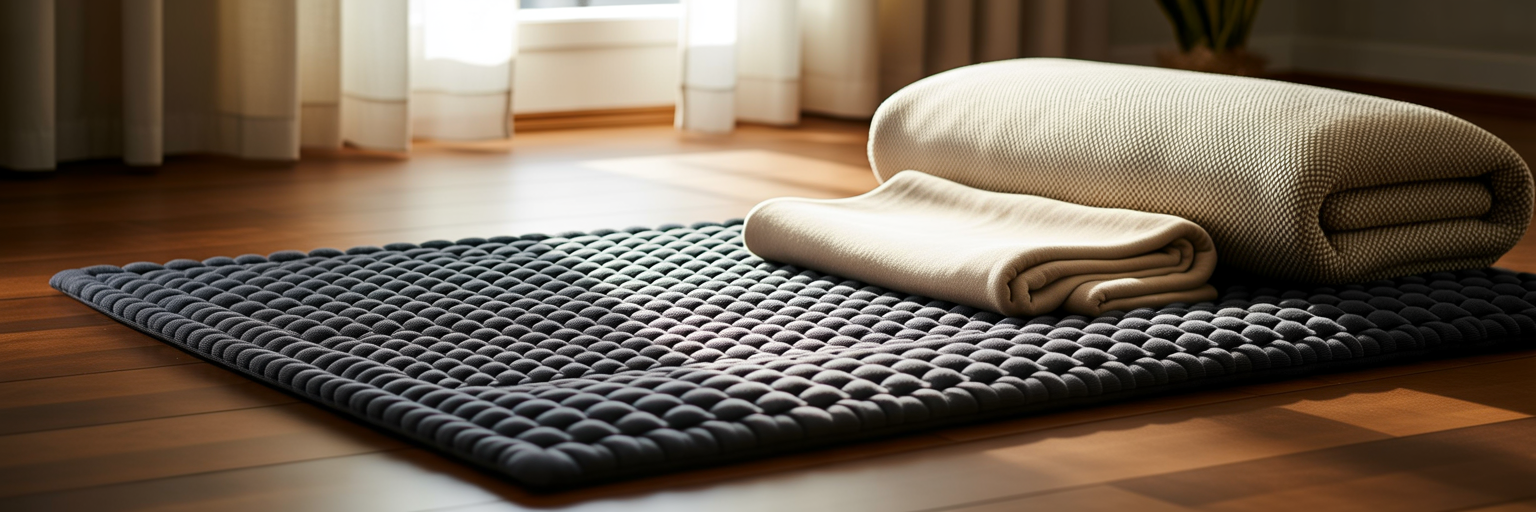
If red light is for your internal clock and infrared heat is for your body temperature, Pulsed Electromagnetic Field (PEMF) therapy acts like a tuning fork for your nervous system. It uses low-frequency magnetic pulses to gently guide your brain and body into a state of rest. This technology offers a direct method for addressing the "tired but wired" feeling at its source.
Tuning into Deep Sleep Frequencies
Our brains operate on different electrical frequencies, or brainwaves, depending on our state of alertness. During the day, we are typically in a higher-frequency beta state. For the most restorative, non-REM sleep, our brain needs to shift into a low-frequency delta wave state (0.5–4 Hz). PEMF mats can be programmed to emit pulses at these specific delta frequencies. Through a process called brainwave entrainment, your brain naturally begins to sync with these external pulses, making it easier to enter and maintain deep sleep. To understand the science behind this, it helps to explore the fundamentals of this technology, which we cover in our guide on what PEMF therapy is.
Shifting from 'Fight or Flight' to 'Rest and Digest'
By promoting delta wave activity, PEMF therapy for sleep provides a direct pathway out of the stressed sympathetic state and into the calm parasympathetic state. This is the core of how to improve sleep quality. Instead of lying in bed with a racing mind, the therapy helps quiet the nervous system, reducing the time it takes to fall asleep, a measure known as sleep latency. Clinical findings have supported PEMF's ability to help users fall asleep faster and experience more consolidated sleep throughout the night. It doesn’t force you to sleep; it simply creates the ideal neurological environment for sleep to happen naturally.
Creating Your Ideal Pre-Sleep Recovery Routine
Using these tools individually can be effective, but combining them into a layered or "stacked" routine can create a powerful synergistic effect. The goal is to create a consistent pre-sleep ritual that signals to your body and mind that the day is over and it’s time for restorative rest. This is a key component of any strategy for passive recovery for sleep.
Think of it as a strategic plan for your well-being. Just as a business needs a coherent plan to deliver value, like the content strategies used to build an online presence, a personal recovery plan ensures these tools are used effectively for long-term results. Consistency is far more important than intensity. A 15-minute daily session will yield more benefits over time than a single, long session once a week. The effects are cumulative.
Here is a sample timeline showing how you could layer these tools. You can compare the effects of different tools, as we did in our analysis of the sauna blanket versus the PEMF mat, to customize your own stack.
| Time Before Bed | Activity / Tool | Purpose |
|---|---|---|
| 90 Minutes | Infrared Sauna Blanket Session (30-45 min) | Raise core body temperature to initiate the sleep-inducing cool-down effect and relax muscles. |
| 30 Minutes | Red Light Therapy Session (10-15 min) | Support natural melatonin production and pre-load cells with energy for nightly repair. |
| 15 Minutes | PEMF Mat Session (15 min) | Calm the nervous system and entrain brainwaves to deep-sleep delta frequencies while reading. |
| Bedtime | Sleep in a Cool, Dark Room | Maintain optimal sleep environment to capitalize on the body's prepared state. |
Finally, remember that these tools augment, not replace, fundamental sleep hygiene. Their benefits are maximized when combined with the basics:
- A cool, dark, and quiet bedroom.
- A consistent wake-up time, even on weekends.
- Avoiding caffeine and large meals late in the evening.
Common Mistakes to Avoid for Best Results

While these technologies are powerful, their effectiveness depends on proper use. A few common missteps can prevent you from getting the results you want. Avoiding them is simple once you know what to look for.
- Incorrect Timing: The most frequent mistake is using the infrared sauna blanket too close to bedtime. This leaves no time for the essential cool-down phase, which can actually make it harder to fall asleep. Always leave at least 60 minutes between the end of your sauna session and when you get into bed.
- Improper Settings: Not all PEMF programs are designed for sleep. Using a mat on a stimulating frequency, like a beta wave setting intended for focus, will have the opposite of the desired effect. Always ensure you are using a program designed for relaxation or sleep, typically one that uses delta frequencies.
- The 'Magic Bullet' Mindset: These tools are not sedatives. They work by supporting and retraining your body's natural sleep processes over time. Expecting instant, dramatic results after one session can lead to disappointment. Consistency is the true key to success.
Ultimately, the effectiveness of these advanced technologies hinges on mindful and correct application. When used as part of a holistic strategy, they become invaluable allies in your quest for better rest and a complete answer to the question of how to improve sleep quality.