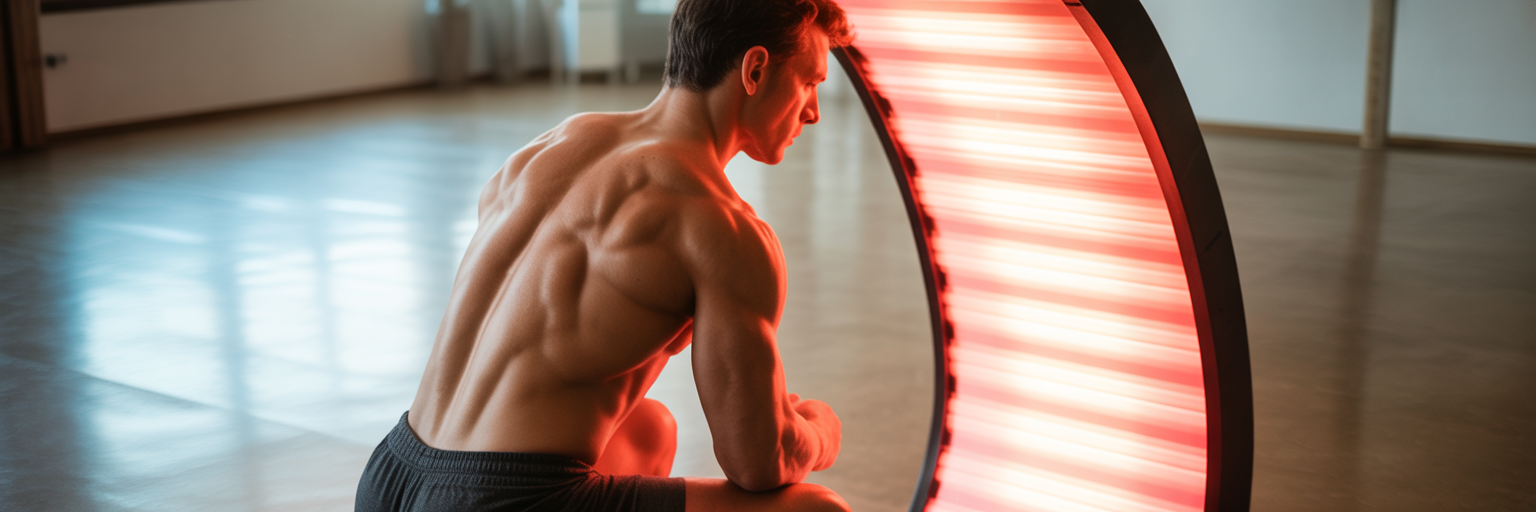
The Science of Light-Based Muscle Repair
After intense physical exertion, muscle cells are in a state of energy debt, which slows down the natural repair of microscopic tears. This is the familiar ache and weakness we feel after a tough workout. Photobiomodulation, or PBM, offers a way to directly address this cellular energy deficit. It is a non-invasive process where specific wavelengths of light, not heat, stimulate cellular activity to accelerate healing.
The key players in this process are the mitochondria, often called the powerhouses of our cells. These tiny organelles are uniquely receptive to certain wavelengths of red light, typically between 630 and 680 nanometres, and near-infrared light, from 800 to 850 nanometres. When exposed to this light, mitochondria absorb the photons, which triggers a biochemical reaction that boosts the production of adenosine triphosphate (ATP). ATP is the body’s primary energy molecule, the fuel that powers nearly every cellular function, including tissue repair.
This surge in available ATP provides the necessary energy to speed up the healing of exercise-induced muscle damage. The process is well-documented in clinical research. For instance, a 2017 review in the Journal of Biophotonics confirmed that photobiomodulation can significantly reduce muscle soreness, inflammation, and oxidative stress markers following exercise. By directly fuelling the repair process at a cellular level, red light therapy for muscle recovery helps the body heal more efficiently. While this therapy focuses on cellular energy, other technologies work on different principles, as explored in our comprehensive wellness blog.
Key Recovery Benefits for Active Individuals

Understanding the science of photobiomodulation is one thing, but what does it mean for your actual recovery? For active individuals, the benefits of red light therapy translate into tangible improvements that can be felt after training sessions. Instead of just waiting for soreness to fade, you can actively support your body’s repair cycle. Here are the key advantages:
- Reduces Delayed Onset Muscle Soreness (DOMS): That familiar stiffness and pain that peaks a day or two after a hard workout is largely due to inflammation and micro-tears in muscle fibres. By helping to regulate the inflammatory response and providing cells with the energy to repair these tears faster, red light therapy can significantly reduce delayed onset muscle soreness. This means less discomfort and a quicker return to feeling your best.
- Accelerates Deeper Tissue Repair: Recovery is more than just the absence of soreness. Red light therapy supports the structural healing of muscle fibres themselves. This deeper repair helps you recover more completely between workouts, reducing the cumulative stress that can lead to overtraining injuries. Stronger, more resilient tissue is the foundation of consistent progress.
- Improves Local Blood Flow: The therapy promotes vasodilation, which is a widening of the blood vessels. This improved circulation enhances the delivery of oxygen and essential nutrients to tired muscles. At the same time, it helps efficiently clear out metabolic waste products like lactic acid that accumulate during intense exercise, further speeding up the recovery process.
- Enhances Performance Outcomes: Ultimately, faster and more complete recovery leads to better performance. When your body can bounce back more quickly, you can train more consistently and handle higher training volumes without breaking down. This consistency is what drives long-term strength, endurance, and skill acquisition.
For those looking to experience these benefits firsthand, a range of red light therapy panels are designed to meet various recovery needs.
Selecting an Effective Red Light Therapy Panel
Not all red light therapy devices are created equal. To ensure you are making a sound investment in your recovery, it is important to understand a few key technical specifications. These details determine whether a panel can deliver on its promises. Making an informed choice means looking beyond marketing claims and focusing on the factors that truly matter for effective treatment.
The Importance of Dual Wavelengths
An effective panel should offer a combination of both red and near-infrared light. Red light wavelengths are shorter and are primarily absorbed by the skin and superficial tissues. However, to achieve deep muscle repair, you need longer wavelengths. The use of near infrared light for muscles is critical because it penetrates deeper into the body, reaching muscles, joints, and connective tissues where much of the post-exercise repair needs to happen.
Understanding Light Irradiance (Power Density)
Think of irradiance as the light’s intensity. It is often measured in milliwatts per square centimetre (mW/cm²). You can use an analogy of water pressure from a hose. A device with low irradiance is like a gentle trickle, requiring a very long time to deliver a meaningful dose of light energy. A panel with high irradiance delivers more photons to your tissues in less time, making treatments far more efficient and effective. Look for devices that clearly state their power density at specific distances.
Choosing the Right Panel Size
The right size depends on your specific needs. A small, targeted panel can be perfect for treating a sore knee, shoulder, or elbow. It is portable and easy to focus on a specific area. For those looking to treat major muscle groups like the back, hamstrings, and quads, a large, full-body panel is a much better option. These larger setups offer greater coverage and efficiency, making them one of the most effective at home muscle recovery tools for serious athletes or anyone wanting to streamline their routine.
Quality, Safety, and Credible Information
A quality device will be built with medical-grade materials and should ideally have undergone third-party testing to verify its performance and safety. Transparency is key. Leading brands in the space, such as those featured on our Joovv page, often provide detailed specifications on their wavelengths and irradiance, setting a standard for what consumers should expect. Always source your information from credible, topically relevant sources to make a sound decision.
Practical Protocols for At-Home Treatment

Once you have a quality device, knowing how to use it correctly is essential for achieving the best results. The question of how to use red light therapy panel effectively comes down to consistency, duration, and timing. A standard protocol involves a session of 10 to 20 minutes per treatment area, with the panel positioned about 6 to 12 inches from your bare skin. This distance ensures optimal light absorption without being too close or too far away.
Beyond the basics, the timing of your session can be tailored to your specific goals for that day. Using red light therapy before a workout has different benefits than using it after. Understanding this distinction allows you to be more strategic with your recovery.
| Timing | Primary Goal | Mechanism of Action | Best For |
|---|---|---|---|
| Pre-Workout | Enhance Performance & Delay Fatigue | 'Primes' mitochondria for ATP production, improves circulation. | Endurance events or high-intensity training sessions. |
| Post-Workout | Accelerate Recovery & Reduce Soreness | Reduces inflammation, replenishes ATP for repair, clears waste products. | Daily recovery from strength training or intense exercise. |
Consistency is paramount. Red light therapy is a cumulative therapy, meaning the benefits build over time with regular use. It is not a quick fix. You might feel a reduction in soreness within one to two weeks, but more significant structural improvements in muscle strength and resilience often take 8 to 12 weeks of consistent application. To ensure adherence, try integrating your sessions into an existing habit, like your post-shower routine or during your pre-sleep stretching. For more detailed strategies, our guide to red light therapy at home offers additional insights.
Integrating RLT into a Holistic Recovery Framework
Red light therapy is a powerful tool, but it works best as part of a complete wellness strategy. Its effects are amplified when combined with the foundational pillars of good health. Thinking of it as a standalone solution misses the bigger picture. Instead, view it as a component of your personal "recovery stack" that enhances the other positive choices you make.
The relationship between RLT and other recovery practices is synergistic:
- Nutrition: The ATP energy that red light therapy helps produce is used to synthesize protein for muscle repair. This process is only effective if your body has an adequate supply of amino acids and other micronutrients from a healthy, balanced diet. RLT provides the energy, but nutrition provides the building blocks.
- Hydration: Optimal cellular function and healthy blood flow are dependent on proper hydration. Since red light therapy works by enhancing both of these functions, staying well-hydrated ensures your body is in the best possible state to benefit from each session.
- Sleep: Sleep is the body's primary and most critical state for repair and regeneration. Red light therapy supports and enhances these natural overnight processes, but it cannot replace them. A consistent sleep schedule remains the cornerstone of any effective recovery plan.
An optimal routine might look like this: a post-workout red light therapy session to kickstart cellular repair, followed by a nutrient-dense meal, proper hydration throughout the evening, and a full night of quality sleep. Just as RLT enhances cellular energy, other tools like PEMF therapy mats can support recovery through different biological pathways, creating a comprehensive approach to well-being.
Safety Guidelines and Long-Term Expectations

To get the most out of red light therapy, it is important to use it responsibly and have realistic expectations for the long term. Safety should always be the first priority. The LEDs in therapy panels are extremely bright, so you should always use the protective eyewear that comes with your device. Additionally, it is crucial to follow the manufacturer's specific guidelines regarding session duration and distance for your particular panel.
It is also helpful to understand the timeline for results. While you may notice a welcome relief from muscle soreness within the first couple of weeks, the more profound structural benefits take time. The cumulative effects on muscle resilience and strength typically become apparent after two to three months of consistent use. Patience and consistency are key.
While red light therapy is safe for most people, there are some exceptions. Individuals with known photosensitivity, or those taking medications that increase light sensitivity, should exercise caution. If you have a specific medical condition, it is always wise to consult with a healthcare professional before beginning any new therapy. When used safely and consistently, red light therapy becomes a reliable, non-invasive tool for enhancing physical resilience, managing workout-related soreness, and supporting your overall well-being for years to come.