The Expanding Role of Cold Water Immersion in Wellness
Cold water immersion was once the secret of elite athletes, a ritual performed in stark, functional tubs to speed up muscle repair. Today, that picture has changed entirely. The practice has moved into homes and wellness centres, and science is revealing that its benefits extend far beyond soothing sore muscles. The intense cold acts as a powerful physiological signal, initiating a cascade of responses throughout the body. This shift in understanding reframes the cold plunge from a simple recovery tool into a comprehensive method for enhancing health. With the growing availability of at-home solutions, like those in our collection of cold plunge tubs, more people can access these effects. This article explores five surprising, science-backed cold plunge therapy benefits that influence mood, metabolism, resilience, immunity, and sleep, offering a clear roadmap to a more optimised you.
Benefit 1: A Natural Boost for Mood and Mental Focus
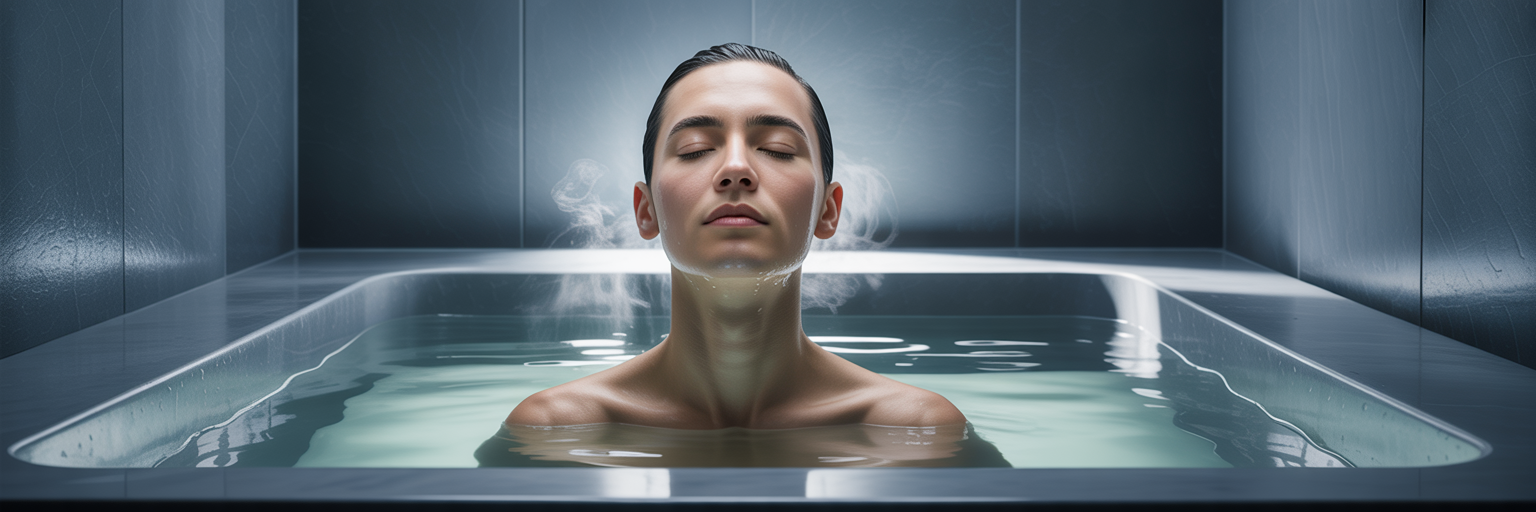
The feeling after a cold plunge is often described as euphoric, and there is a clear neurochemical reason for it. Submerging your body in cold water triggers a significant release of norepinephrine, a neurotransmitter responsible for vigilance, focus, and mood. Some studies suggest this increase can be as high as 200-300%. This flood of norepinephrine sharpens your attention, creating a state of calm alertness that can last for hours. It is a powerful form of cold water immersion for mood enhancement. But the effects are not just chemical.
Neurochemical Impact: The cold stimulates a release of dopamine, the molecule of motivation and reward. This contributes to the elevated mood and drive you feel post-plunge.
Psychological Reset: Voluntarily facing the intense discomfort of the cold and controlling your breath through it acts as a mental reset. It proves you can handle stress, building a quiet confidence that carries into your day.
Think of it as a natural nootropic. Instead of relying on stimulants, a brief, intentional cold plunge provides a clean and sustained boost to your mental performance. It clears away the mental fog, leaving you focused and ready for whatever comes next.
Benefit 2: Activating Your Metabolic Health
Many of us think of fat as something to lose, but our bodies contain a different, more beneficial type called brown adipose tissue (BAT), or brown fat. Unlike white fat which stores energy, BAT is metabolically active. Its primary job is to burn calories to generate heat, a process called thermogenesis. One of the most effective ways to activate this tissue is through cold exposure. This is where cold exposure metabolic health comes into play. When you plunge into cold water, your body calls on BAT to warm you up. Regular activation helps improve your body's overall metabolic function. As health experts at the Cleveland Clinic explain, this process can improve insulin sensitivity, helping your body manage blood sugar more effectively. While it is not a shortcut to weight loss, the real benefit lies in metabolic flexibility. A consistent routine, even with a simple system like our Ice Pod, helps train your body to become more efficient at regulating energy. Over time, this contributes to more stable energy levels and a healthier metabolic profile.
Benefit 3: Forging Greater Mental Resilience

The immediate mood lift from a cold plunge is one thing, but the long-term mental fortitude it builds is another. This is where the principle of hormesis comes in. Hormesis is the idea that a small, controlled dose of a stressor can trigger adaptations that make the body stronger and more resilient. A cold plunge is a perfect example of a hormetic stressor. By intentionally exposing yourself to the cold, you are teaching your nervous system to remain calm and composed under physical duress. You learn to control your breathing and override the initial panic response. This practice is like a workout for your mind. Each session is a 'rep' for the 'muscle' of mental resilience. This training does not just stay in the water. Practitioners often report an enhanced ability to handle everyday stressors, from difficult conversations at work to unexpected personal challenges. The same calm focus you cultivate in the tub becomes your default response in other high-pressure situations. Each plunge reinforces a foundational belief: you are tougher and more adaptable than you think.
Benefit 4: Training a More Robust Immune System
The term 'immune boosting' is often used loosely, but cold immersion offers a more precise benefit: it helps train a more robust immune system. The shock of the cold acts as a brief, acute stressor that can stimulate an increase in key immune cells, like white blood cells. Think of it as a fire drill for your immune response, keeping it primed and ready without the constant strain of a real threat. More importantly, regular cold exposure may help regulate inflammation. While acute inflammation is a necessary part of healing, chronic, low-grade inflammation is linked to numerous modern health issues. By conditioning the body with cold, you may help it down-regulate this persistent inflammatory state. It is important to have a balanced perspective. A cold plunge is a proactive conditioning tool, not a cure for an active illness. This proactive conditioning helps your body become more prepared, but it is not a replacement for professional medical advice. For any acute health issues, it is always best to consult a healthcare provider or visit an urgent care facility for expert diagnosis and treatment.
Benefit 5: Regulating Your Natural Sleep Cycle
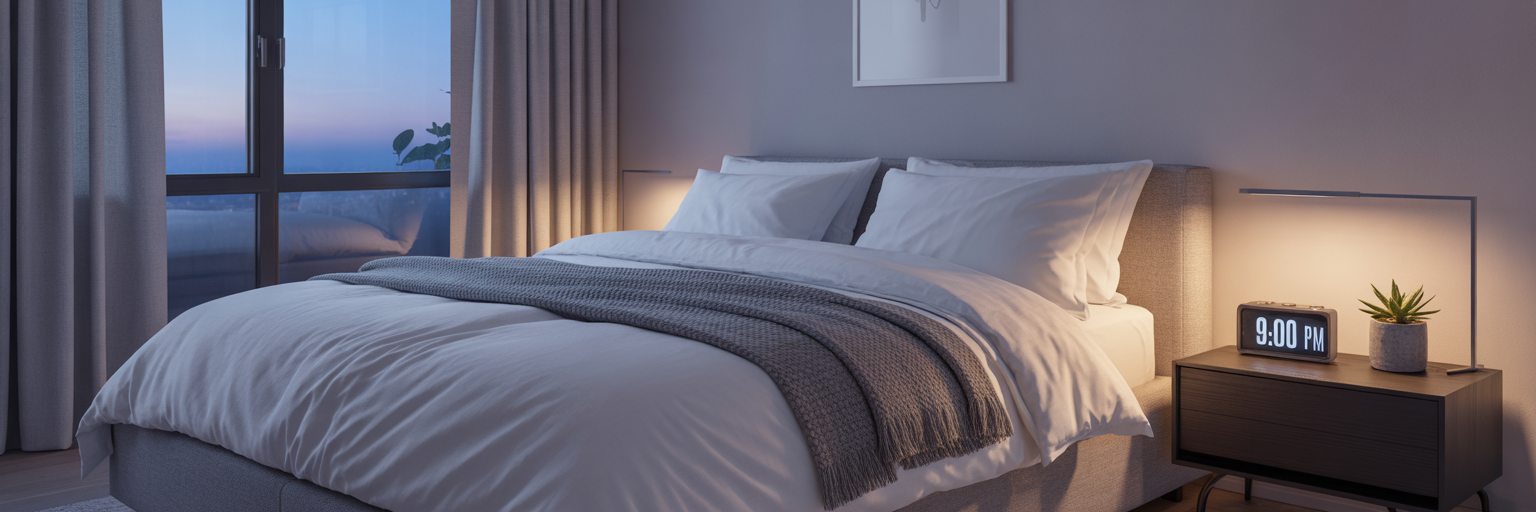
Have you ever wondered does cold plunge help sleep? The connection is rooted in our body's core temperature. A natural drop in core body temperature is one of the key physiological signals that tells your brain it is time to sleep. A cold plunge can amplify this signal, helping to regulate your body's internal clock, or circadian rhythm. By creating a more pronounced temperature drop, you can encourage deeper and more restorative sleep later that night. However, the timing is critical. A common mistake is taking a cold plunge too close to bedtime. The practice triggers a release of adrenaline and norepinephrine, which is great for morning focus but counterproductive when you are trying to wind down. The most effective approach is to use a cold plunge in the morning or early afternoon. This serves as a powerful anchor, signaling to your body that the active part of the day has begun. This clear demarcation helps your body prepare for rest more effectively when evening arrives. While a cold plunge sets your daily rhythm, other tools can also support relaxation, and we have explored the differences in our comparison of cold plunges and infrared sauna blankets.
Practical Guidelines for Safe and Effective Cold Plunging
Integrating cold plunges into your life requires a thoughtful approach. Here are some practical guidelines to ensure your practice is both safe and effective. These cold plunge safety tips are essential for anyone starting out.
Key Safety Considerations
The intense cold places a significant demand on your cardiovascular system. If you have any pre-existing heart conditions or high blood pressure, consult with your doctor before beginning. It is also wise to avoid plunging immediately after a strength-training workout. Research suggests that the anti-inflammatory effect of cold can blunt the signals for muscle growth (hypertrophy). A good rule of thumb is to wait at least four to six hours post-workout.
Optimal Timing and Protocols
For your at home cold plunge routine, consistency is more important than intensity. Aim for a total of around 11 minutes of cold exposure per week, spread across two to four sessions. The ideal temperature range is between 4-15°C (40-60°F). Start at the higher end of the temperature range and for shorter durations, gradually working your way down as your body adapts. A 2-5 minute session is typically sufficient to trigger the desired physiological responses.
| Level | Temperature Range | Session Duration | Weekly Frequency | Total Weekly Exposure |
|---|---|---|---|---|
| Beginner | 12-15°C (55-60°F) | 1-2 minutes | 2-3 sessions | 3-6 minutes |
| Intermediate | 7-12°C (45-55°F) | 2-3 minutes | 3-4 sessions | 6-12 minutes |
| Advanced | 4-7°C (40-45°F) | 3-5 minutes | 3-5 sessions | 9-15 minutes |
Advanced Techniques
Once you are comfortable with a consistent cold plunge routine, you might explore contrast therapy. This involves alternating between cold immersion and a heat source, such as a sauna. This practice can further enhance circulation and recovery, but it should only be attempted after you have built a solid foundation with cold exposure alone. For more insights into optimising your wellness journey, you can explore the topics on our blog.