The Ache After the Effort
Anyone who has pushed their physical limits knows the feeling. It’s that distinct stiffness and tenderness that settles into your muscles a day or two after a challenging workout. This sensation, known as Delayed Onset Muscle Soreness (DOMS), is a universal sign of a workout well done. It’s not an injury, but rather your body’s signal that it’s adapting and growing stronger. But what is actually happening inside your muscles during this period?
When you perform intense or unfamiliar exercises, you create microscopic tears in your muscle fibers. In response, your body initiates a natural inflammatory process to repair this damage. This repair cycle is what ultimately builds stronger, more resilient muscle tissue. For years, many believed that lactic acid was the culprit behind this next-day ache. However, while lactic acid causes that immediate burn during exercise, it’s cleared from your system relatively quickly and isn’t responsible for the soreness you feel 24 to 48 hours later.
The real source of the ache is the combination of micro-damage and the subsequent inflammation. While this process is essential for progress, it can be uncomfortable and temporarily limit performance. The goal isn't to stop this natural cycle, but to support it. Finding effective ways to reduce delayed onset muscle soreness can help you recover more efficiently, feel better faster, and get back to your training with renewed strength. This is where understanding how to accelerate the body's own repair mechanisms becomes incredibly valuable.
How Infrared Heat Works Differently
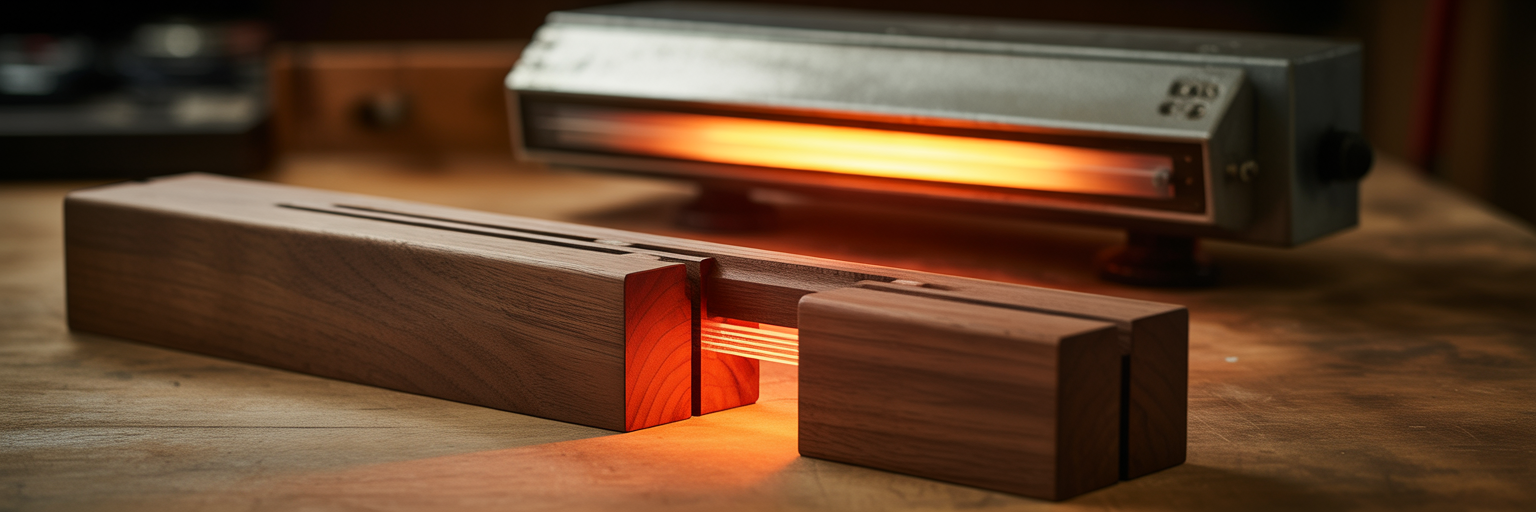
When we think of heat for muscle pain, we often picture a standard heating pad or a hot bath. These methods provide comfort, but they primarily warm the surface of the skin. Far-infrared (FIR) heat operates on a completely different principle. Instead of heating the air around you, as a traditional steam sauna does, an infrared sauna blanket uses radiant heat to warm your body directly from the inside out. It’s a fundamental shift in how therapeutic heat is delivered.
The science behind this lies in the specific wavelength of far-infrared light. These waves can penetrate up to 1.5 inches beneath the skin, reaching deep into muscle tissue, joints, and soft tissues where soreness originates. This deep heating action elevates your core body temperature and triggers a powerful physiological response called vasodilation, the widening of your blood vessels. Think of your circulatory system as a network of highways. Vasodilation is like opening up extra lanes, allowing blood to flow more freely and efficiently throughout your body.
This enhanced circulation is the key to effective at home muscle recovery. The increased blood flow delivers a surge of oxygen-rich blood and vital nutrients directly to the damaged muscle fibers, kickstarting the repair process. At the same time, it helps flush out metabolic waste products that can accumulate in tissues after intense exertion. This makes infrared heat therapy for pain a targeted and systemic approach, rather than just a superficial one. If you're curious about the technology, you can explore the different types of infrared sauna blankets we offer to see how they are designed for this purpose.
| Characteristic | Traditional Heat (e.g., Heating Pad, Steam Sauna) | Far-Infrared Heat (e.g., Sauna Blanket) |
|---|---|---|
| Heating Method | Convection/Conduction: Heats the air or skin surface | Radiation: Heats the body directly from within |
| Penetration Depth | Superficial (a few millimeters) | Deep (up to 1.5 inches into tissue) |
| Primary Mechanism | Increases surface blood flow | Induces vasodilation and raises core body temperature |
| Efficiency | Less efficient; most energy heats the air | Highly efficient; over 80% of energy directly warms the body |
| Physiological Effect | Localized, temporary relief | Systemic circulation boost and deep tissue heating |
Cellular Responses to Therapeutic Heat
Now that we understand how infrared heat penetrates deep into the body, let's look at what happens at a cellular level. The therapeutic warmth doesn't just feel good; it triggers a cascade of biological processes that actively accelerate muscle repair. One of the most significant responses is the production of Heat Shock Proteins (HSPs). When your cells are exposed to thermal stress, they produce these specialized proteins, which act like cellular chaperones. Their job is to identify and repair damaged proteins within your muscle fibers and protect cells from stress, playing a direct role in recovery.
Beyond HSPs, the deep heat also stimulates the release of growth hormone. This hormone is a powerful agent for tissue regeneration and is crucial for repairing the microscopic tears caused by exercise. By promoting its release, infrared heat helps your body rebuild muscle tissue more effectively. The enhanced circulation we discussed earlier also plays a vital role at this microscopic level. It acts as a cleanup crew, efficiently flushing out metabolic byproducts that can linger in tissues and contribute to soreness and fatigue. This process cleans the cellular environment, allowing the repair mechanisms to function optimally.
These benefits are not just theoretical. A meta-analysis from the University of Jyväskylä, as published in their digital archive, confirms that post-exercise heat application significantly reduces DOMS and improves markers of recovery. This research grounds the effectiveness of infrared blankets in credible science. This principle of using energy to stimulate cellular activity is shared by other advanced wellness tools. For instance, if you're exploring different recovery modalities, understanding what is PEMF therapy can provide another perspective on how targeted energy can support the body's natural healing processes.
Systemic Benefits of Enhanced Circulation

While the immediate focus of post-workout recovery is often on sore muscles, the effects of enhanced circulation extend far beyond localized repair. The systemic boost in blood flow initiated by an infrared sauna blanket delivers benefits to your entire body, contributing to overall well-being. The full spectrum of infrared sauna blanket benefits creates a holistic improvement in how you feel and function day to day.
One of the most profound effects is on the nervous system. The enveloping, gentle warmth helps your body shift from the sympathetic nervous system state, often called "fight-or-flight," to the parasympathetic state, known as "rest-and-digest." We spend much of our modern lives in a state of low-grade stress, and a session in a sauna blanket provides a dedicated time to downshift. This transition is not just relaxing; it’s restorative. It lowers cortisol levels, calms the mind, and creates the ideal internal environment for your body to heal.
This circulatory enhancement also means more oxygen and nutrients are delivered to every organ, not just your muscles. Your skin, for example, receives an increase in blood flow, which can help deliver more nutrients for a healthier complexion. These systemic effects create a positive feedback loop. By reducing stress and improving overall physiological function, your body becomes more resilient. You are better equipped to handle physical demands, manage daily stressors, and recover more completely. It’s this deep sense of calm that many users notice, and you can learn more about why sauna blankets leave you so relaxed in our detailed post on the topic.
A Buyer's Guide to Infrared Blankets
With a clear understanding of the benefits, the next step is practical: choosing an infrared blanket that is both safe and effective. Not all blankets are created equal, and knowing what to look for ensures you invest in a high-quality tool for your wellness routine. Here are the key criteria to consider:
- Low EMF Output: This is arguably the most important safety feature. Electromagnetic fields (EMF) are a byproduct of any electronic device. Look for blankets that are specifically designed and certified for low EMF output, ideally below 2–3 milligauss (mG). This ensures you receive the therapeutic benefits of infrared heat without unnecessary exposure.
- Construction and Durability: A well-made blanket is a long-term investment. Inspect the materials for durability. The outer shell should be robust and easy to clean, while the zippers should be heavy-duty to withstand regular use. Quality hardware is often a sign of a superior product. Just as with premium home goods, understanding how to care for components is key; for instance, as this practical guide to maintaining brass hardware explains, proper care preserves the integrity of metal fittings over time.
- Temperature Range and Control: An effective temperature range for an infrared blanket is typically between 120–160°F (49–71°C). More important than reaching extreme heat is the ability to maintain a consistent temperature. Look for models with precise, easy-to-use controls that allow you to customize the session to your comfort level.
- Material Safety and Hygiene: Since the blanket is in direct contact with your body, the materials must be non-toxic and waterproof. A polyurethane or similar non-toxic leather-like material is a good choice. Additionally, a washable cotton insert is essential for hygiene, absorbing sweat and making cleanup simple.
- Value-Added Features: Some advanced models integrate other technologies, such as red light therapy, for added benefits. While not a necessity, these features can enhance the recovery experience. A product like the HigherDose Infrared Sauna Blanket is a great example that incorporates many of these quality features, giving you a benchmark for what to look for.
Maximizing Your Recovery Sessions
Once you have your infrared sauna blanket, establishing a consistent routine is key to experiencing its full benefits. Simply using it is a great start, but a few simple protocols can significantly enhance its effectiveness. Following a clear guide on how to use sauna blanket sessions will ensure you get the most out of your investment safely and efficiently.
- Start Gradually: If you are new to infrared therapy, begin with shorter sessions. A good starting point is 20–30 minutes at a moderate temperature, around 120–130°F (49–54°C), three to four times per week. As your body acclimates, you can gradually increase the duration and temperature based on your comfort and recovery needs.
- Hydrate, Hydrate, Hydrate: This is non-negotiable. Infrared heat induces a deep sweat, so it's crucial to replenish your fluids. Drink a large glass of water before your session, keep water nearby to sip during, and be sure to rehydrate thoroughly afterward. Adding electrolytes can also help replace minerals lost through sweat.
- Prepare for Your Session: To enhance infrared penetration, take a warm shower beforehand. This helps open up your pores and cleanses the skin, allowing the infrared waves to be absorbed more effectively. Wear loose, comfortable cotton clothing or use the provided insert to absorb sweat.
- Cool Down and Stretch: After your session, give your body a few minutes to cool down naturally before hopping into a shower. This is also an excellent time for some gentle stretching. Your muscles will be warm and pliable, making it a perfect opportunity to improve flexibility and release any remaining tension.
By incorporating these simple steps, you can transform your sauna blanket sessions from a passive activity into a powerful recovery ritual. To continue learning about optimizing your health, feel free to explore more wellness insights on our blog.