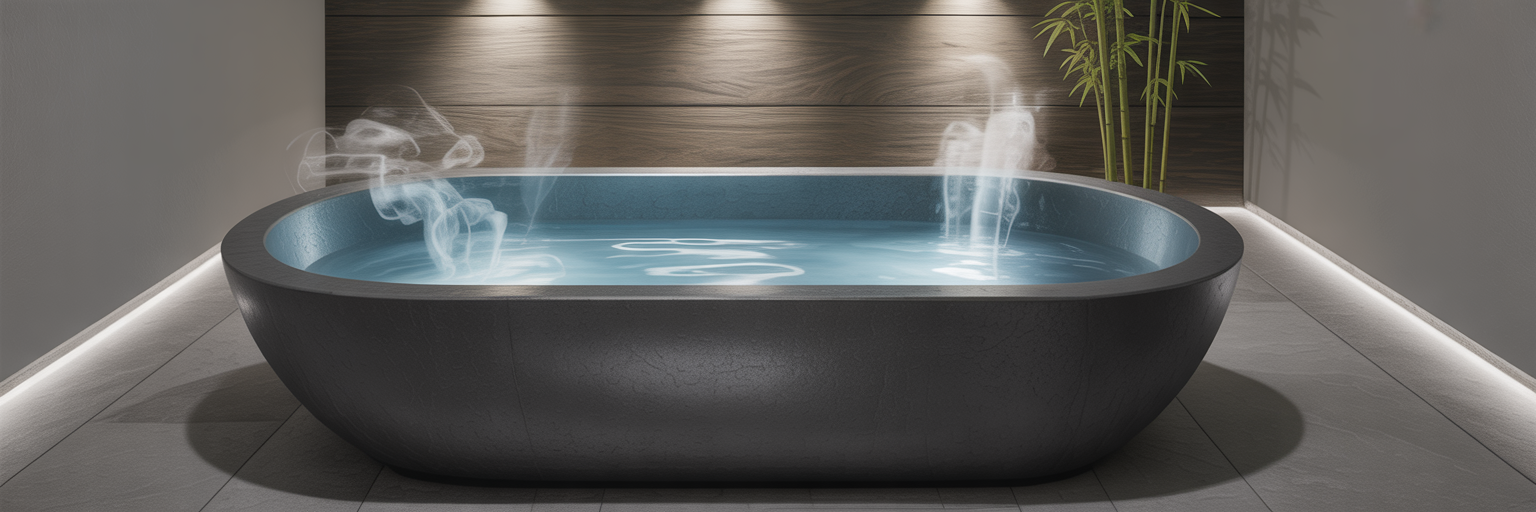
Chronic inflammation is a quiet conversation happening inside millions of bodies, often at the root of persistent aches, fatigue, and slower recovery. While we search for complex solutions, one of the most powerful tools for managing it is surprisingly simple: cold water. Cold plunge therapy, or cold water immersion (CWI), is the practice of submerging your body in water at a therapeutic temperature, typically between 4–15°C (39–59°F), to trigger a cascade of physiological benefits.
The Science of Cold Water for Inflammation Control
At its core, the practice of CWI is a powerful dialogue with your circulatory system. When you immerse yourself in cold water, your blood vessels constrict in a process called vasoconstriction. Think of it like wringing out a sponge. This constriction pushes metabolic byproducts, such as lactic acid and inflammatory markers, out of your muscle tissues and into the bloodstream for processing. When you get out and begin to warm up, your blood vessels dilate, bringing fresh, oxygenated, and nutrient-rich blood rushing back into those same tissues. This powerful flush is one of the primary cold plunge benefits for inflammation.
Beyond this mechanical flushing, cold exposure directly influences your body’s inflammatory response at a cellular level. Research shows that CWI can help lower levels of pro-inflammatory cytokines, which are proteins that signal the body to create more inflammation. By moderating these signals, cold water helps manage systemic inflammation, not just localized muscle soreness. As institutions like the Cleveland Clinic have documented, the physiological responses are wide-ranging and impactful.
The benefits extend beyond the physical. The shock of the cold triggers a significant release of neurochemicals, including norepinephrine and dopamine. Norepinephrine sharpens focus and reduces pain perception, while the sustained increase in dopamine can improve mood and motivation for hours after a plunge. This neurochemical cocktail provides a mental uplift that complements the physical recovery, making the practice a holistic tool for well-being. For those exploring different recovery methods, you can find more insights on our blog.
Finding Your Minimum Effective Dose
One of the biggest mental hurdles for beginners is the assumption that a cold plunge must be a long, punishing ordeal. This could not be further from the truth. The key to sustainable benefits is not duration but consistency. Groundbreaking research from scientists like Dr. Susanna Søberg has identified a powerful guideline: aim for a total of 11 minutes of cold exposure per week, broken into smaller sessions. This is the minimum effective dose needed to stimulate long-term adaptations, such as the formation of brown adipose tissue, which helps improve metabolism and temperature regulation.
Instead of fixating on a single, lengthy plunge, think about how you can achieve this weekly total. For most people, this translates to three or four sessions lasting just two to four minutes each. This approach makes the practice feel far more achievable and helps you build a consistent habit, which is the foundation of any effective beginner guide to ice baths. It’s reassuring to know that the most significant neurochemical benefits, like that powerful dopamine and norepinephrine release, occur within the first few minutes of immersion.
So, have you been telling yourself you don't have time? A three-minute plunge is shorter than the time it takes to brew a cup of coffee. The goal is to show up for yourself consistently, not to endure for the sake of it. Below is a sample schedule to help you structure your first week and build momentum without feeling overwhelmed.
Sample Weekly Cold Plunge Schedule for Beginners
| Session | Recommended Duration | Water Temperature | Primary Goal |
|---|---|---|---|
| Session 1 (e.g., Monday) | 2-3 Minutes | 15°C (59°F) | Acclimate to the cold and focus on controlled breathing. |
| Session 2 (e.g., Wednesday) | 3-4 Minutes | 15°C (59°F) | Extend duration slightly while maintaining calm breathing. |
| Session 3 (e.g., Friday) | 3-4 Minutes | 14-15°C (57-59°F) | Build consistency and potentially lower temperature by one degree. |
| Weekly Total | 8-11 Minutes | - | Meet the minimum effective dose for systemic benefits. |
Your First Plunge: A Step-by-Step Protocol
Knowing the science is one thing, but taking that first step into the cold water is another. The key is preparation. By creating a simple, repeatable ritual, you can transform apprehension into a feeling of control. This is how to start cold plunge therapy with confidence. Follow this protocol for your first session.
- Prepare Your Environment and Mind. Before you even think about the water, have a towel and warm, comfortable clothes ready and waiting. Place them within arm's reach. Mentally, your goal is not to fight the cold but to surrender to it. Resistance creates tension; acceptance brings calm.
- Start with a Manageable Temperature. Your first plunge is not a test of toughness. A safe cold plunge temperature for beginners is around 15°C (59°F). This is more than cold enough to trigger the desired physiological responses without creating an overwhelming systemic shock. Setting up for cold plunge therapy at home is easier than ever with modern equipment, and you can explore various cold plunge tubs that make temperature control simple.
- The Initial Entry. Enter the water steadily and deliberately. Avoid jumping in. The first 30 to 60 seconds will be the most intense as your body experiences the cold shock reflex, an involuntary gasp for air. Your only job during this moment is to focus on your breath. Exhale slowly and completely. This single action signals to your nervous system that you are safe.
- Aim for Your Target Duration. Set a timer for your goal, whether it's two or three minutes. Don't just watch the clock. Instead, try focusing on a single point on the wall or the sensation of the water on your skin. Some people find counting their breaths helps anchor their mind and pass the time calmly.
- The Exit and Post-Plunge Actions. When your timer goes off, exit the water calmly. There is no need to rush. Immediately grab your towel, dry off thoroughly, and put on your warm clothes. The rewarming process has now begun, and you have successfully completed your first plunge.
Mastering Your Breathing to Overcome Cold Shock
The initial moments of a cold plunge are a conversation between your body's ancient survival instincts and your conscious mind. That first gasp for air and the urge to hyperventilate are part of the cold shock reflex, a completely involuntary response designed to prepare you for fight or flight. However, you can consciously override this reflex with a powerful tool you always have with you: your breath.
The key is to signal safety to your nervous system. A simple yet profoundly effective technique is the "physiological sigh." This involves a double inhale through the nose, followed by a long, slow, and complete exhale through the mouth. This specific breathing pattern has been shown to offload carbon dioxide efficiently and activate the parasympathetic nervous system, your body's "rest and digest" network. Practicing this as you enter the water can dramatically reduce the feeling of panic and help you settle into the plunge with a sense of calm control.
It is critical to distinguish this calming technique from other breathwork practices. You should never practice rapid, cyclical hyperventilation techniques while in the water. These methods, while beneficial on dry land, can alter your blood chemistry and create a risk of fainting, which is extremely dangerous in any body of water. Safety must always be the priority.
By mastering your breath in the cold, you are doing more than just surviving the plunge. You are training your mind to remain calm under pressure. This skill of finding tranquility in discomfort is a form of mental resilience that extends far beyond the ice bath, much like how other recovery methods, such as those discussed in our article on why sauna blankets leave you relaxed, help regulate the nervous system.
Timing Your Plunge for Optimal Recovery
A common question from those new to cold plunging is, "When is the best time to do it?" The answer depends entirely on your goals. The timing of your cold plunge after workout sessions, in particular, requires a nuanced approach because not all inflammation is bad. The acute inflammation that occurs after a strength training session is a necessary signal for your muscles to repair and grow stronger, a process known as hypertrophy.
Blunting this signal too quickly with an immediate cold plunge could interfere with your long-term strength gains. Therefore, a clear, actionable rule is to wait at least 4 to 6 hours after a resistance workout before getting into the cold. This allows the initial, beneficial inflammatory process to do its job. However, the optimal timing can vary based on your specific objective.
- For Muscle Growth: Plunge on your rest days or wait at least 4-6 hours after lifting weights to maximize the muscle-building signals from your workout.
- For General Wellness & Mood: A morning plunge can be a powerful start to your day. The norepinephrine and dopamine boost provides natural, clean energy and mental clarity without the crash of caffeine.
- For Endurance Recovery: After a long run, cycle, or other endurance event, you can plunge sooner. The primary goal here is to reduce muscle soreness and inflammation to speed up recovery without worrying about blunting hypertrophy signals.
- For Tournament Performance: If you are competing in an event with multiple games or heats in one day, plunging immediately after a round can be strategic. It helps reduce soreness and fatigue quickly, preparing you for the next round, even if it means sacrificing some long-term adaptation for immediate performance. Understanding these trade-offs is key, much like deciding between different recovery tools as explored in our comparison of cold plunge vs. infrared sauna blanket.
Essential Safety Protocols and Post-Plunge Care
As you integrate cold plunging into your routine, prioritizing safety ensures that the practice remains a beneficial and sustainable part of your wellness journey. While the method is powerful, it demands respect for your body's limits. Adhering to a few clear protocols will help you recover effectively and avoid potential risks.
Your post-plunge routine is just as important as the plunge itself. Many people instinctively want to jump into a hot shower to warm up quickly, but this can be counterproductive. Allowing your body to rewarm itself naturally is a process that offers its own set of metabolic benefits. The shivering that may occur is not a sign of failure; it is your body activating brown fat to generate heat, a process that enhances your metabolic function over time. Embrace it as part of the therapy.
Follow these essential safety and aftercare steps to ensure every plunge is a positive experience:
- Medical Consultation First: This is non-negotiable. If you have any pre-existing health conditions, especially cardiovascular issues like heart disease, high blood pressure, or Raynaud's syndrome, you must consult a doctor before beginning cold plunge therapy.
- Adhere to Safe Temperature Guidelines: The goal is therapy, not an endurance test. Especially as a beginner, avoid extreme temperatures below 4°C (40°F). Stick to the recommended range to get the benefits without unnecessary risk.
- Embrace the Natural Rewarming Process: Resist the urge for a hot shower. Let your body do the work of rewarming. This shivering response is a healthy metabolic process that enhances the benefits of your plunge.
- Follow a Simple Post-Plunge Routine: Once you exit the water, dry off completely. Put on warm, loose-fitting clothing. Gentle movements, like walking around, can help generate body heat. Finally, sipping a warm, non-caffeinated beverage can aid the rewarming process from the inside out.
By following these guidelines, you can safely explore the profound benefits of cold water immersion. As you become more comfortable, you may wish to learn about other advanced wellness technologies, such as those detailed in our guide on what is PEMF therapy.