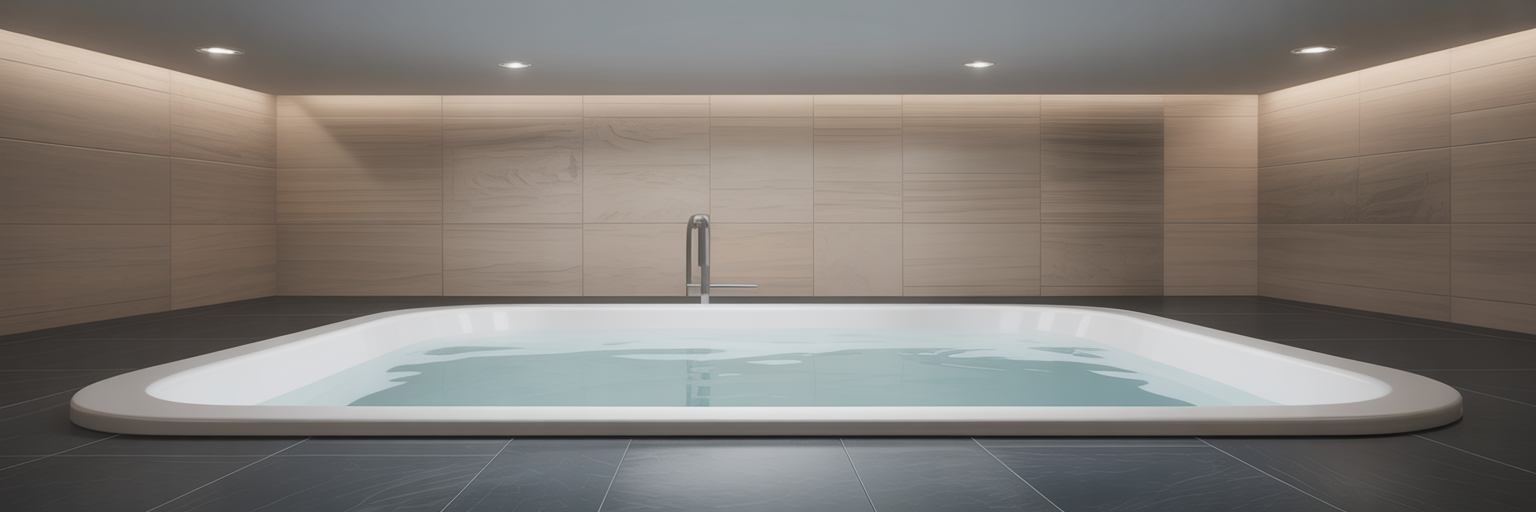
Athletes have been submerging themselves in icy water for decades, relying on instinct and tradition to guide their post-training rituals. We can all picture the scene: a grimacing athlete sinking into a tub of ice after a grueling game. Today, science is finally catching up, revealing the precise physiological mechanisms that make this practice so effective for recovery.
How Cold Exposure Affects Muscle Repair
When you finish an intense workout, your muscles are left with microscopic tears that trigger an inflammatory response. This is a natural part of the adaptation process, but it also brings swelling, soreness, and reduced function. The primary way a cold plunge for muscle recovery works is through a process called vasoconstriction, which is the narrowing of your blood vessels in response to the cold.
This tightening of blood vessels helps to flush out metabolic waste products, like lactic acid, from your muscles. More importantly, it significantly reduces swelling and inflammation. By lowering the temperature of the muscle tissue, you also slow down its metabolic rate. This slowdown helps limit what is known as secondary muscle damage, where the initial inflammation can cause further harm to surrounding healthy cells. It’s a way of containing the immediate aftermath of intense exercise.
One of the key markers scientists use to measure muscle damage is an enzyme called creatine kinase (CK). When muscle cells are damaged, CK leaks into the bloodstream. Multiple studies have shown that cold water immersion effectively lowers post-exercise CK levels, providing objective evidence of its protective effects. While the internal chemistry is complex, the feeling is unmistakable. The most celebrated benefit is a significant reduction in Delayed Onset Muscle Soreness (DOMS), that familiar ache that sets in a day or two after a tough session. This relief from soreness is a major reason athletes consistently turn to cold therapy.
It is important to understand that cold water immersion primarily manages the symptoms of exercise-induced damage, like soreness and swelling. It doesn't directly speed up the muscle rebuilding process itself. This distinction is critical, as it sets the stage for understanding how to use cold therapy correctly based on your specific fitness goals. While cold exposure is a powerful tool, it is just one piece of a comprehensive recovery strategy, which you can explore further on our blog.
Strength vs. Endurance Training Recovery Needs
Building on the understanding that cold water manages inflammation, the next question is: who benefits most, and when? The answer depends entirely on your training goals. The recovery needs of a powerlifter are fundamentally different from those of a marathon runner, and applying a one-size-fits-all approach to a cold plunge after workout can be counterproductive.
For strength athletes, the primary goal is muscle hypertrophy, or growth. This growth is driven by a process called anabolic signaling, with a key pathway known as mTOR acting like a master switch for building muscle. After a resistance workout, this switch is turned on, initiating muscle protein synthesis. However, the very inflammation that cold water reduces is also a crucial signal for this muscle-building process to begin. Plunging into cold water immediately after lifting can blunt this necessary inflammatory response and interfere with mTOR signaling.
A systematic review published in BMC Sports Science, Medicine and Rehabilitation highlights this conflict, noting that cold water immersion after resistance training can potentially reduce long-term gains in muscle mass and strength. Does this mean strength athletes should avoid cold plunges altogether? Not necessarily, but timing becomes everything.
In contrast, endurance athletes are typically focused on reducing fatigue and inflammation to recover faster for their next session. For runners, cyclists, and triathletes, minimizing muscle soreness and accelerating recovery takes precedence over maximizing muscle size. For this group, a cold plunge for athletes protocol involving immediate immersion is highly beneficial. It helps clear metabolic byproducts and reduces the inflammation that can impede performance in subsequent training or competitions. This is why understanding your options, such as the differences explored in our comparison of a cold plunge vs. an infrared sauna blanket, is so important for tailoring your recovery.
| Factor | Strength Training Focus (Hypertrophy) | Endurance Training Focus (Performance Recovery) |
|---|---|---|
| Primary Goal | Maximize muscle protein synthesis for growth. | Reduce inflammation and fatigue for next session. |
| Key Biological Process | Activation of the mTOR pathway (anabolic signaling). | Clearing metabolic byproducts and reducing inflammation. |
| Impact of Immediate CWI | Blunts mTOR signaling, potentially reducing long-term muscle gains. | Accelerates perceived recovery and reduces muscle soreness. |
| Recommended Timing | Wait at least 4-6 hours post-workout or use on rest days. | Immediately or as soon as possible post-workout. |
This table summarizes how the application of cold water immersion should be adapted based on specific training outcomes. The data reflects current scientific consensus on anabolic signaling and inflammation management.
Your Optimal Cold Plunge Protocol
Once you have determined that a cold plunge aligns with your recovery goals for the day, the next step is to get the parameters right. Many people assume that colder and longer is always better, but the science points to a specific therapeutic window where you get all the benefits without unnecessary discomfort or risk. Following a clear protocol ensures your cold plunge is both effective and safe.
The most effective temperature range for promoting muscle recovery is between 10–15°C (50–59°F). Research has shown that going colder, for instance below 8°C (46°F), does not provide additional recovery benefits. In fact, extremely cold temperatures can increase the risk of cold-related injuries like frostbite or nerve damage, making the "colder is better" approach a myth worth busting. Sticking to the recommended range is the most efficient way to trigger the desired anti-inflammatory response.
With the temperature set, the next question is how long to cold plunge. For muscle recovery, the ideal duration is 10–15 minutes. This timeframe is sufficient to cool the muscle tissues and initiate vasoconstriction without overstressing the body. It is a common mistake to think you need to endure 20 or 30 minutes, but studies confirm the majority of physiological benefits occur within that 15-minute window. Shorter plunges of 2–5 minutes are still valuable, particularly for the mental benefits of mood and alertness, but may not be long enough to fully impact deep muscle tissue.
Here is a simple, actionable protocol:
Set the Temperature: Aim for a water temperature between 10–15°C (50–59°F).
Determine Duration: For muscle recovery, immerse yourself for 10–15 minutes. For a mental boost, 2–5 minutes is effective.
Consider Partial Immersion: If you only trained your lower body, immersing just your legs provides nearly identical therapeutic benefits for those muscles. This is a practical and less intimidating option for beginners.
Having an at-home system makes it easy to control these variables precisely. If you are ready to create a consistent and effective recovery routine, you can explore our range of at-home cold plunge tubs to find a solution that fits your space and needs.
Timing Your Plunge for Maximum Benefit
We have established that the effectiveness of a cold plunge depends on your training goals, but the "when" is just as important as the "how." Integrating cold water immersion recovery into your routine requires deliberate timing to ensure you are supporting your body’s needs, not working against them. The rules are surprisingly simple once you know your primary objective for a given training session.
For strength athletes whose main goal is building muscle, the guideline is clear: wait at least 4 to 6 hours after your workout before taking a cold plunge. This waiting period is crucial. It gives your body the uninterrupted time it needs for the inflammatory response to signal the mTOR pathway and kickstart muscle protein synthesis. An immediate plunge would shut down this essential process. A practical strategy for this group is to use cold plunges on rest days. This allows you to gain the anti-inflammatory and mental benefits without compromising hypertrophy from your training days.
For endurance athletes, or any athlete in a competitive setting where quick recovery is paramount, the rule is the opposite: plunge as soon as possible after exercise. When the goal is to reduce soreness and be ready for the next event or training session, immediate cold exposure is your best tool. It quickly reduces inflammation and muscle fatigue, helping you feel fresher and more prepared to perform again. This is why you often see athletes in tournaments using ice baths between matches or heats.
To make it even simpler, ask yourself this one question after your workout:
Is my primary goal today to build muscle size? If the answer is yes, delay your plunge for several hours or save it for a rest day.
Is my primary goal to feel better and recover for my next workout? If yes, then get into the cold water soon after you finish.
This decision framework removes the guesswork. Having a system that is always ready, like our Plunge All-In cold plunge system, gives you the control to time your recovery perfectly, ensuring you get the maximum benefit from every session.
Beyond Muscle Soreness: Mental and Systemic Effects
While much of the conversation around cold plunges centers on muscle repair, the benefits of cold plunge therapy extend far beyond physical recovery. The experience has a profound impact on your mental state and may offer systemic advantages for your overall health. Many users report that the mental clarity and mood boost are just as valuable as the reduction in muscle soreness.
The moment your body hits the cold water, it triggers a powerful hormonal response. Specifically, it causes a significant release of norepinephrine, a neurotransmitter crucial for focus, attention, and mood. Research has shown that cold water immersion can cause a 200–300% surge in norepinephrine levels. This biochemical flood is responsible for the feeling of exhilaration and sharp mental clarity that follows a plunge. It is a natural way to reset your mind and energize your nervous system.
Beyond the neurochemical effects, the act of willingly stepping into uncomfortable cold builds psychological resilience. It is a form of voluntary hardship that trains your mind to handle stress. This practice of leaning into discomfort can translate to other areas of your life, improving your ability to stay calm and focused under pressure. It is a mental workout as much as a physical recovery tool.
Emerging research also points toward promising systemic benefits, such as improved immune function and metabolic health, though these areas require more study. The practice also complements other recovery modalities, like the systemic cellular repair supported by our PEMF therapy mats. Furthermore, as a meta-analysis in Frontiers in Sports and Active Living confirms, even partial immersion of just the legs can be highly effective for lower-body recovery, making the practice more accessible without sacrificing key benefits.
Common Mistakes and Safe Practices
Cold water immersion is a powerful tool, but its effectiveness and safety depend on responsible use. Just as with any training modality, understanding the correct protocol and avoiding common pitfalls is essential. By focusing on smart practices, you can ensure your cold plunge routine is a sustainable and beneficial part of your wellness journey.
First, let’s address the most common misconceptions that lead to inefficient or risky practices:
"Colder is not better." As we have covered, temperatures below 10°C (50°F) do not offer superior muscle recovery benefits and can increase health risks. Stick to the proven therapeutic range.
"Longer is not better." Staying in the water for more than 15 minutes provides diminishing returns for muscle recovery and can lead to an excessive drop in core body temperature.
To ensure a safe at-home experience, follow these key safety protocols:
Start slowly. If you are new to cold plunging, begin with a warmer temperature around 15°C (59°F) and a shorter duration of 2–5 minutes. You can gradually decrease the temperature and increase the time as your body adapts.
Never plunge alone. Especially when you are starting out, always have someone nearby in case you experience an adverse reaction.
Listen to your body. Cold tolerance is an adaptation that builds over time. If you experience uncontrollable shivering, dizziness, or numbness, it is time to get out. Do not push through warning signs.
Focus on your breath. The initial shock can cause you to hold your breath. Concentrate on slow, controlled exhales to calm your nervous system and manage the initial discomfort.
Ultimately, cold water immersion is a personalized practice. Its application must be aligned with your specific training goals and guided by safety. When used correctly, it is an incredibly effective method for enhancing recovery, boosting mental resilience, and improving overall well-being. If you are ready to incorporate this practice into your life, our guide on how to start here can help you choose the right setup for your journey.