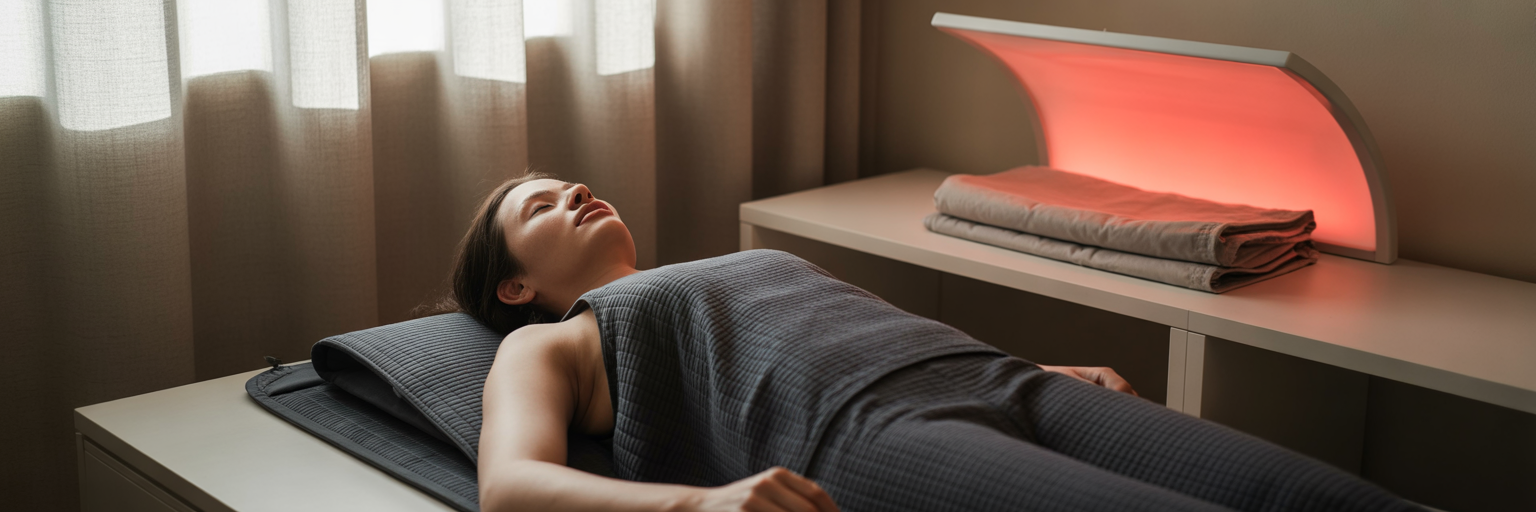
The Science of Stillness for Muscle Recovery
After any intense physical effort, the body enters a state of alert. This response, governed by the sympathetic nervous system, is our 'fight-or-flight' mode. While essential for performance, remaining in this state hinders repair. This is where passive recovery comes in. Unlike active recovery, such as a cool-down walk which keeps the body in motion, passive recovery involves intentional, minimal-effort rest designed for deep systemic repair.
The primary goal of these methods is to trigger a crucial physiological shift. We need to transition from the high-alert sympathetic state to the parasympathetic 'rest-and-digest' state. This transition is not just about feeling relaxed; it is the non-negotiable switch that allows the body’s most profound healing processes to begin. Without this shift, true recovery remains incomplete, no matter how much you stretch or foam roll.
Once the parasympathetic system takes over, a cascade of restorative events occurs. Systemic inflammation, the body's natural response to the micro-trauma of exercise, begins to subside. The circulatory and lymphatic systems work more efficiently to clear metabolic byproducts like lactic acid from muscle tissue. This directly addresses the question of how to reduce muscle soreness and stiffness. It is the body’s internal cleanup crew finally getting the green light to work without interruption.
While a light jog or stretch has its place, passive methods are uniquely essential for deep tissue repair and nervous system regulation. They create the optimal internal environment for your body to rebuild stronger, turning the stress of a workout into tangible progress. This stillness is not empty time; it is a targeted biological strategy.
Foundational Pillars of Rest and Nutrition

Before exploring any advanced tools, we must acknowledge the biological inputs that govern recovery. The most sophisticated technology cannot compensate for a deficit in sleep or poor nutrition. These foundational habits are the bedrock of any effective at home muscle recovery plan. Of these, sleep is arguably the single most critical component. It is not merely rest; it is a state of intense physiological activity geared toward repair.
Going beyond the simple advice to get more sleep, it is during the deep, non-REM stages that the body releases a significant amount of human growth hormone. This hormone is essential for repairing tissues and building muscle. It is also when muscle protein synthesis, the process of rebuilding damaged muscle fibres, is at its peak. For those with demanding schedules, even a strategic 20 to 30 minute nap can supplement nighttime sleep, helping to reduce fatigue without interfering with your natural circadian rhythm.
Equally important are hydration and nutrition. Dehydration actively works against recovery by thickening the blood, which impairs the transport of vital nutrients to your muscles and slows the removal of waste products. Proper nutrition provides the raw materials for repair. To improve workout recovery time, focus on these key areas:
Protein Intake: Consuming adequate protein provides the essential amino acids your body needs to repair and rebuild muscle tissue. Think of it as supplying the bricks for reconstruction.
Hydration: Water is the medium for nearly every metabolic function, including nutrient delivery and waste removal. Consistent hydration keeps these systems running smoothly.
Key Micronutrients: Certain minerals play a direct role in muscle function. Magnesium, for example, is crucial for muscle relaxation and can help alleviate cramps and tightness.
By prioritising these fundamentals, you create a body that is primed to heal. For more insights on building a holistic wellness routine, you can explore the ideas and information on our main blog page.
Harnessing Temperature for Targeted Relief
With the foundations of sleep and nutrition in place, we can introduce tools that use temperature to manipulate blood flow and accelerate recovery. Thermotherapy (heat) and cryotherapy (cold) are two of the most accessible and effective passive recovery techniques. They work through opposing mechanisms to achieve distinct therapeutic outcomes. Understanding when and why to use each is key to maximising their benefits.
Cold therapy, often experienced through cold plunge tubs or ice baths, triggers vasoconstriction, the narrowing of blood vessels. This process immediately reduces blood flow to the treated area, which helps decrease the acute inflammation and swelling that follow an intense workout. The cold also has an analgesic effect, numbing nerve endings to provide immediate relief from soreness. It is a powerful tool for managing the immediate aftermath of physical stress.
Conversely, heat therapy, such as using an infrared sauna blanket, causes vasodilation. This widening of blood vessels increases circulation, flooding muscles with oxygen-rich blood and essential nutrients. This enhanced blood flow helps to soothe chronic stiffness and muscle tightness, making it an excellent tool for promoting relaxation and improving mobility, particularly on rest days or before a workout. Some people also practice contrast therapy, alternating between hot and cold to create a "pumping" action that may help flush metabolic waste from the tissues.
To help you decide which method is right for you, consider this practical guide. As highlighted by health experts in a guide from CNA Lifestyle, the timing and nature of your discomfort should dictate your choice.
| Factor | Cold Therapy (Cryotherapy) | Heat Therapy (Thermotherapy) |
|---|---|---|
| Primary Mechanism | Vasoconstriction (narrows blood vessels) | Vasodilation (widens blood vessels) |
| Best For | Acute inflammation, swelling, post-workout soreness | Chronic muscle tightness, stiffness, pre-workout mobility |
| Physiological Effect | Reduces blood flow, numbs nerve endings, decreases metabolic activity | Increases blood flow, delivers oxygen and nutrients, relaxes muscles |
| Example Tools | Cold plunge tubs, ice packs, cryotherapy chambers | Infrared sauna blankets, warm compresses, hot baths |
The takeaway is clear. Use cold therapy to manage acute, post-workout inflammation within the first 24 to 48 hours. Turn to heat therapy to address lingering tightness, chronic aches, and to prepare your muscles for activity.
Advanced Technologies for Cellular Repair
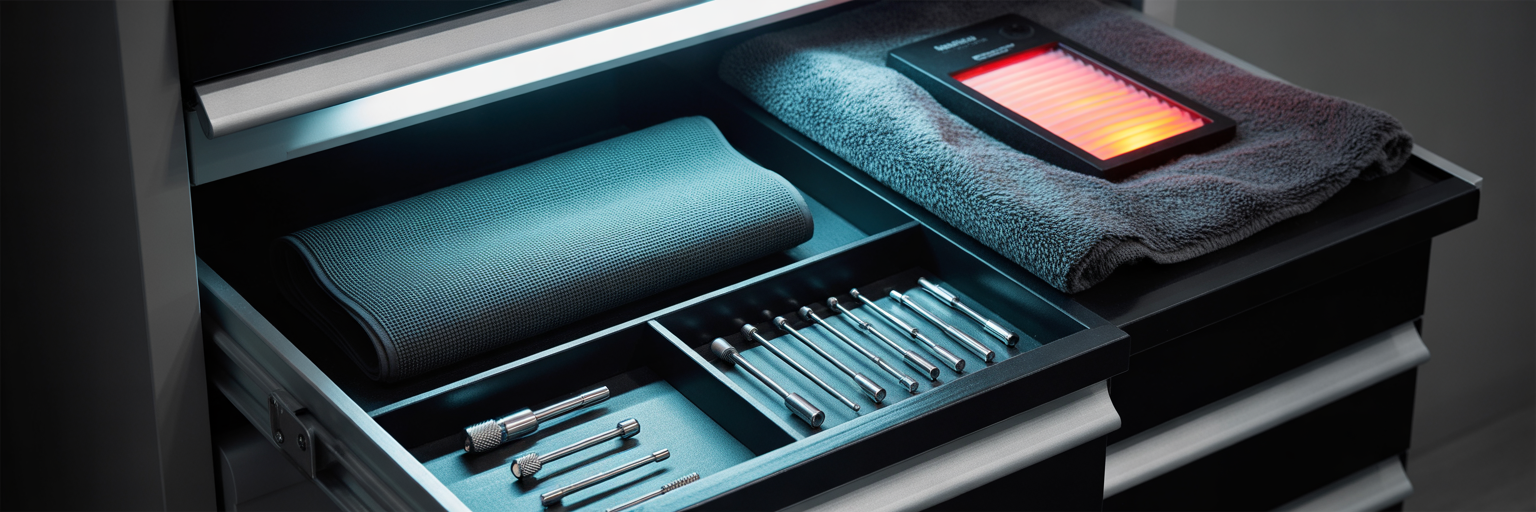
Beyond temperature, a new class of recovery tools works at a more fundamental level, enhancing the body's natural repair processes within the cells themselves. These advanced technologies are not about masking symptoms but about optimising cellular function to accelerate healing from the inside out. When integrated properly, they represent some of the best recovery tools for athletes and anyone serious about their physical well-being.
These methods use different forms of energy to stimulate specific biological pathways:
Pulsed Electromagnetic Field (PEMF) Therapy: This technology uses low-frequency, gentle electromagnetic fields to interact with your body’s cells. Think of it as a charger for your cells. Effective PEMF therapy for recovery helps improve cellular metabolism and function, which can reduce inflammation and support the body's natural healing capabilities. For a deeper look into this technology, you can read our article that answers the question, what is PEMF therapy?
Red Light Therapy (RLT): This method involves exposing the body to specific wavelengths of red and near-infrared light. Unlike sunlight, these wavelengths penetrate deep into the skin and muscle tissue without generating heat. There, they are absorbed by mitochondria, the powerhouses of our cells. This absorption stimulates the production of ATP (adenosine triphosphate), the primary currency of cellular energy, which helps speed up muscle regeneration and repair. You can explore a variety of RLT devices for home use to see how they fit into a recovery routine.
Self-Myofascial Release (SMR): While it requires some minor effort, SMR with tools like foam rollers or massage guns can be considered a mechanical form of passive recovery. The applied pressure helps to break up fascial adhesions, the tight knots in the connective tissue surrounding your muscles. Releasing these adhesions improves circulation and restores mobility, allowing for better nutrient delivery and waste removal with minimal exertion.
It is important to view these technologies not as quick fixes but as powerful adjuncts to a consistent recovery routine. They work by supporting and amplifying the body's own incredible capacity for repair, making them valuable assets for long-term performance and health.
The Mental Component of Physical Restoration
We often treat physical recovery as a purely mechanical process of repairing muscles and tissues. Yet, the mind and body are inextricably linked. Chronic mental or emotional stress holds the body in a sympathetic state, releasing cortisol and other stress hormones that actively inhibit the very repair processes you are trying to encourage. True physical restoration is nearly impossible in a state of mental agitation.
This is why practices that calm the nervous system are not a luxury but essential passive recovery techniques. Mindfulness and meditation are powerful, accessible methods for down-regulating the nervous system. By focusing on the present moment and observing thoughts without judgment, these practices help lower cortisol levels and shift the body back into the parasympathetic state required for deep healing. You cannot force your body to relax while your mind is racing.
One of the most direct ways to influence your nervous system is through your breath. Diaphragmatic breathing, or belly breathing, is a simple yet profound technique you can use anywhere. To practice it, lie comfortably on your back with one hand on your chest and the other on your belly. Inhale slowly through your nose, focusing on letting your belly rise while your chest remains relatively still. Exhale slowly through your mouth, feeling your belly fall. This simple action stimulates the vagus nerve, a key component of the parasympathetic system, sending a powerful signal to your entire body that it is safe to rest and repair.
Integrating just a few minutes of mindful breathing or meditation into your daily routine can have a significant impact on your physical recovery. It reinforces the idea that mental rest is a fundamental and non-negotiable part of a holistic strategy. Stillness of the mind enables stillness of the body, creating the ideal conditions for restoration.
Designing Your Personal Recovery Protocol
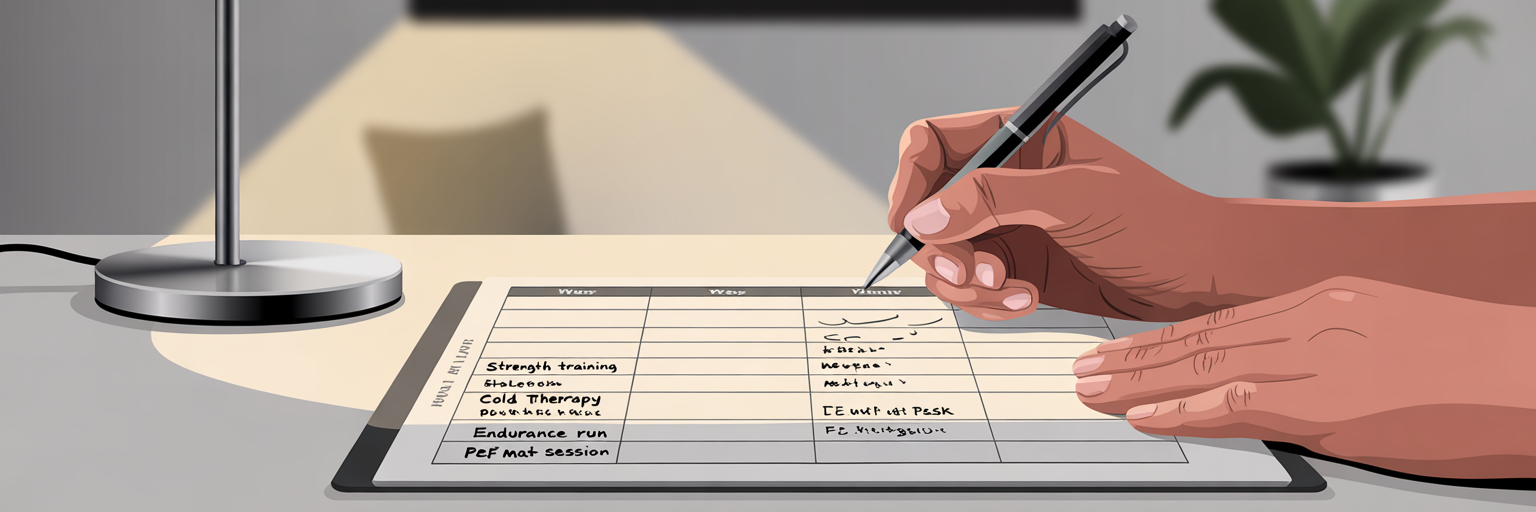
Understanding the science and tools of recovery is one thing; applying them consistently is another. The most effective approach is not an occasional, intense recovery session but a sustainable, personalized routine that becomes an integral part of your lifestyle. The goal is to create a protocol that matches your training, listens to your body, and evolves with your needs.
A key principle is to match the recovery method to the intensity and type of your workout. For example, a heavy leg day that creates significant muscle damage and inflammation might call for an immediate cold plunge. On a lighter day or a full rest day, a session in an infrared sauna blanket might be more beneficial for promoting relaxation and circulation. It is about using the right tool for the right job.
Here is a sample weekly framework to help you visualize how to integrate different methods:
Monday (High-Intensity Training): Post-workout self-myofascial release on key muscle groups, followed by a 10-minute cold therapy session to manage inflammation.
Wednesday (Moderate-Intensity Training): An evening session on a PEMF mat to support cellular repair and promote relaxation before bed.
Friday (Rest Day): A 30-minute infrared sauna session to improve circulation and ease any lingering stiffness, followed by 10 minutes of diaphragmatic breathing.
Ultimately, the most important guide is your own body. Practice biofeedback by paying close attention to your soreness levels, energy, mood, and sleep quality. Are you waking up feeling refreshed? Is your soreness diminishing faster? These signals will tell you what is working. Be prepared to adjust and personalize your protocol. The goal is to build an intuitive practice that supports your long-term performance and well-being. To begin building your own routine, you can explore all the different categories of recovery tools we offer.