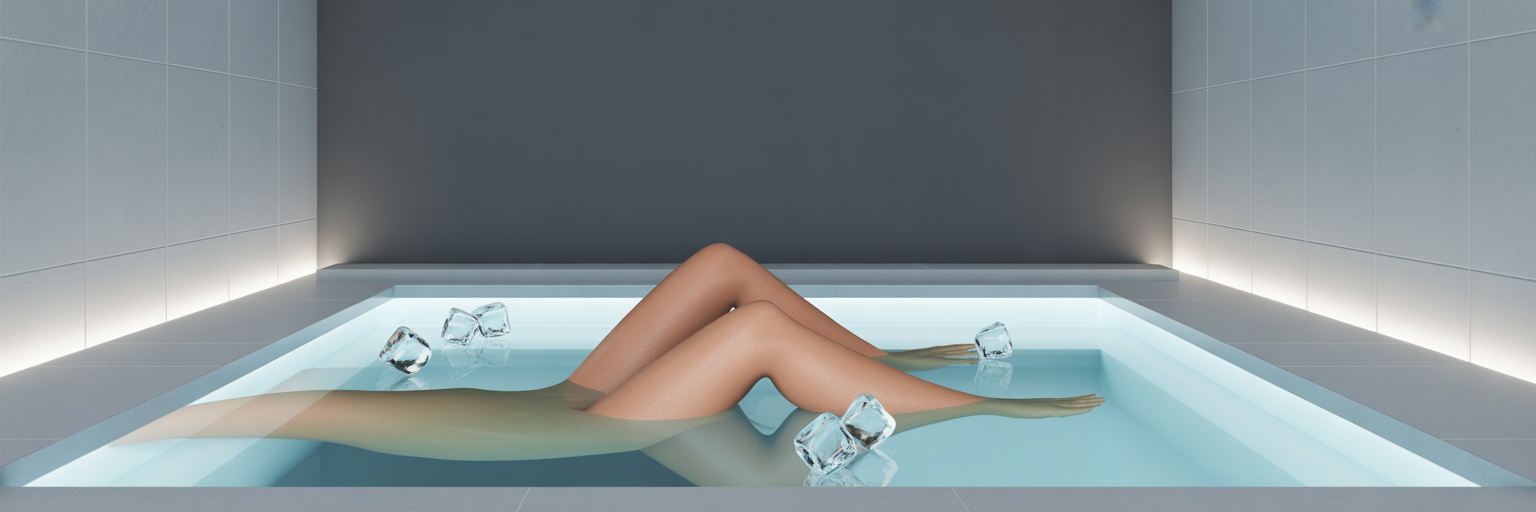
Defining Cold Water Immersion
The practice of using cold water for health isn't a modern invention. Ancient Greek and Roman societies documented the use of cold baths to promote vitality and recovery, a tradition that has endured through centuries. Today, this practice has been refined into what we know as cold plunge therapy, or cold water immersion. It involves submerging the body in water kept between 1°C and 15°C (33°F to 59°F) for a brief period, typically lasting from one to five minutes.
It is important to distinguish this method from other forms of cryotherapy. While cryotherapy chambers use chilled air, cold water immersion relies on the high thermal conductivity of water. This direct contact ensures the body cools down uniformly and efficiently, triggering a more profound physiological response than cold air ever could. You can feel the difference immediately, as the water envelops every inch of your skin.
The primary goals of this practice are straightforward yet powerful. People turn to cold plunging to accelerate muscle recovery after intense physical activity, reduce systemic inflammation, and build mental resilience. The initial shock of the cold forces a unique mental focus, training the mind to remain calm under physical stress. Understanding this context is the first step before exploring the specific benefits and techniques that make it so effective.
The Physical and Mental Benefits of Cold Exposure

Beyond the initial bracing sensation, a cascade of physiological benefits begins to unfold. The reasons people consistently return to the cold are rooted in tangible improvements to both body and mind. These advantages are not just anecdotal, as a growing body of evidence supports the positive impact of deliberate cold exposure. As noted by the Cleveland Clinic, the advantages range from reduced muscle soreness to improved immune function.
Enhanced Muscle Recovery and Reduced Inflammation
For athletes and active individuals, one of the most sought after cold plunge therapy benefits is accelerated recovery. When you immerse yourself in cold water, your blood vessels constrict. This process, known as vasoconstriction, helps flush metabolic byproducts like lactic acid from your muscles. Think of it as the body’s natural "squeeze and release" mechanism. Once you get out and begin to warm up, fresh, oxygenated blood rushes back into the tissues, delivering nutrients and promoting healing.
A Neurochemical Boost for Mood and Focus
We can all relate to that feeling of sluggishness that a cup of coffee just can't seem to fix. A cold plunge offers a different kind of jolt. The shock of the cold triggers a significant release of norepinephrine and dopamine, two key neurotransmitters responsible for focus, attention, and mood. This neurochemical surge creates a state of heightened alertness and mental clarity that can last for hours, providing a powerful, non-caffeinated start to your day.
Strengthened Immune Function and Metabolism
Regular exposure to cold water can also prompt your body to become more resilient. Studies suggest that it stimulates the production of white blood cells, which are essential for fighting off infections. Furthermore, the cold activates brown adipose tissue (BAT), or "brown fat." Unlike regular body fat, BAT burns calories to generate heat, a process that can subtly boost your metabolic rate over time. It’s a reminder that controlled stress can make the body stronger.
Improved Sleep Quality
While it may seem counterintuitive, a cold plunge can pave the way for a better night's sleep. The practice helps regulate the body's core temperature. A drop in core temperature is a natural signal to the brain that it's time to rest. By incorporating a cold plunge into your evening routine, you can enhance this signal, leading to deeper and more restorative sleep. For those interested in exploring other wellness topics, we share more insights on our blog.
A Step-by-Step Guide for Your First Plunge
The idea of willingly submerging yourself in icy water can feel intimidating. We’ve all seen videos of experts calmly sitting in frozen lakes, but your journey doesn’t have to start there. The key for any cold plunge for beginners is to approach it safely and intentionally. Forget about extreme temperatures or long durations. Instead, focus on consistency and listening to your body. Here is a simple guide on how to start cold plunging without the guesswork.
Preparation is Key
Before you even touch the water, take a moment to prepare. Ensure you are well-hydrated throughout the day, as dehydration can affect your body's ability to regulate temperature. Just before you plunge, set a clear intention. Are you doing this for mental clarity, muscle recovery, or simply to challenge yourself? This mental anchor will help you push through the initial discomfort.Set Safe Starting Parameters
You do not need freezing water to get the benefits. For your first few sessions, aim for a water temperature between 10-15°C (50-59°F). This range is cool enough to trigger a therapeutic response without being overwhelmingly intense. Your goal for duration should be just 30 seconds to 2 minutes. Remember, the goal is to build a sustainable habit, and showing up consistently for short durations is far more valuable than one heroic, long plunge that leaves you dreading the next one.The Immersion Process
Take a few deep breaths before entering the water. Instead of jumping in, lower yourself in slowly and deliberately. This gives your body a moment to acclimate and reduces the shock. Try to submerge your body up to your neck. This is important because it helps stimulate the vagus nerve, a major component of your parasympathetic nervous system that helps regulate heart rate and promote a state of calm. Keep your hands out of the water initially if you are particularly sensitive to the cold.Post-Plunge Rewarming
Your first instinct after getting out will be to jump into a hot shower. Resist it. A sudden shift to hot water can be jarring for your circulatory system and may counteract some of the benefits. Instead, the best approach is to allow your body to rewarm itself naturally. Dry off thoroughly with a towel, put on warm, dry clothes, and perhaps sip a warm, non-caffeinated beverage. This gradual rewarming process continues the metabolic benefits and trains your body's internal thermostat.
Managing the Cold Shock Response
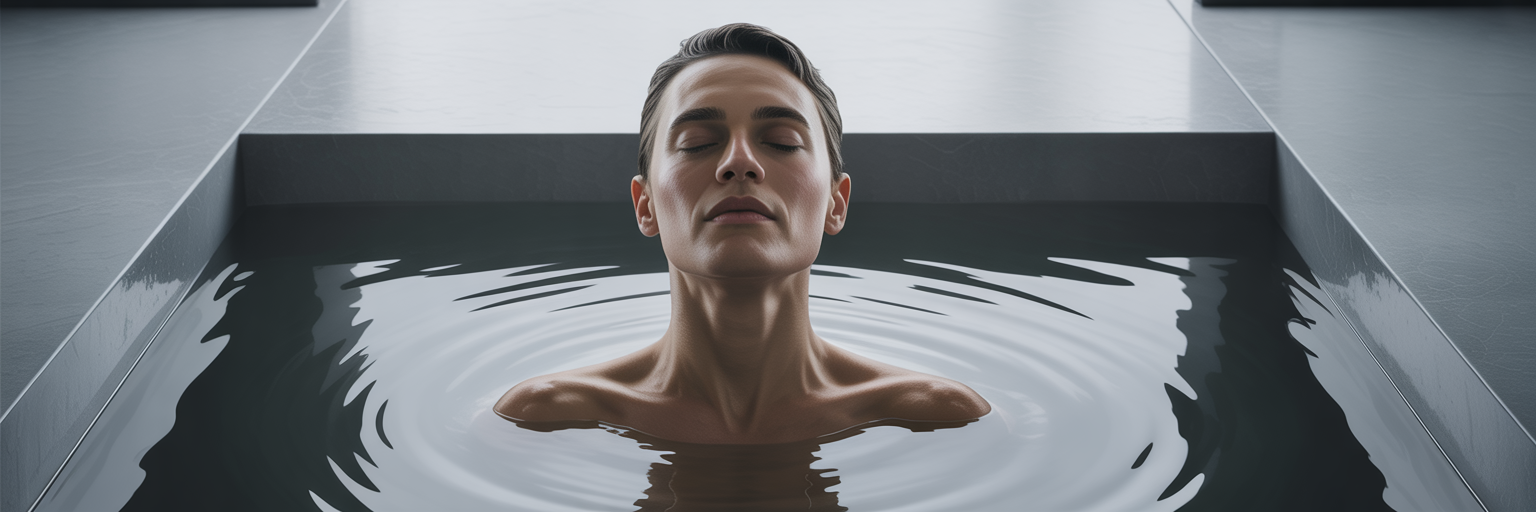
No matter how prepared you are, the first 60 seconds in cold water will be a shock. Your body will react instinctively with a "gasp reflex," your heart rate will spike, and every cell will scream at you to get out. This is not a sign of failure; it is a completely normal and expected physiological event known as the cold shock response. The challenge is not to avoid it, but to manage it.
The most powerful tool you have in this moment is your breath. The initial gasp creates short, shallow breathing, which signals panic to your brain. You must consciously override this. Focus on a simple breathing pattern: a steady inhale for four seconds, followed by a long, controlled exhale for eight seconds. This extended exhale is the key, as it activates your parasympathetic nervous system, the body's "rest and digest" mode. It acts as a brake on your fight-or-flight response.
While you control your breath, give your mind something to do. Instead of fixating on the cold, focus on a single point on the wall in front of you. Count your breaths, or silently repeat a mantra. This transforms the experience from a physical endurance test into a mindfulness practice. You are teaching your mind to find stillness amidst chaos. After that first minute, you will notice a shift. The initial panic subsides, your breathing stabilizes, and a sense of focused calm takes over as your body begins to adapt.
Building a Sustainable Cold Plunge Practice
Once you’ve mastered your first few plunges, the focus shifts from surviving the experience to integrating it into your life for long-term benefits. Sporadic sessions are good, but a consistent routine is where the real changes happen. A helpful guideline comes from research highlighted by sources like IceBaths.com, which suggests aiming for a total of 11 minutes of cold exposure per week, spread across two to four sessions. This is a target to work toward, not a rule for day one.
The principle of progressive adaptation is your best friend here. Once you feel comfortable with your starting duration and temperature, you can begin to make small adjustments. Add 15 to 30 seconds to your time, or lower the water temperature by a degree or two. These gradual changes allow your body to adapt without causing excessive stress. It’s also helpful to consider how cold plunging fits with other wellness practices. For instance, many people wonder how it compares to heat therapy, a topic we explore in our comparison of cold plunges versus infrared saunas.
The timing of your plunge can also influence the benefits you receive. A morning plunge can replace your coffee, while a post-workout session targets muscle soreness. Understanding these differences helps you align the practice with your specific goals.
| Factor | Morning Plunge | Post-Workout Plunge |
|---|---|---|
| Primary Goal | Enhance focus and energy for the day | Accelerate muscle recovery and reduce inflammation |
| Hormonal Effect | Maximizes norepinephrine and dopamine release for alertness | Blunts inflammatory markers and reduces swelling |
| Impact on Energy | Provides a significant, non-caffeinated energy boost | Can lead to a feeling of calm and relaxation |
| Scheduling Note | Ideal for mental preparation and starting the day strong | Best performed 1-2 hours after strength training to not blunt hypertrophy |
Finally, track your progress. A simple journal noting the temperature, duration, and how you felt before and after can reveal powerful insights into how your body is responding.
Common Mistakes for Newcomers to Avoid
While cold plunging is generally safe when done correctly, enthusiasm can sometimes lead newcomers to make preventable mistakes. Prioritizing cold water immersion safety ensures your practice remains beneficial and sustainable. Be mindful of these common pitfalls:
The 'Too Much, Too Soon' Mentality: The biggest error is trying to emulate experienced practitioners from day one. Starting with water that is too cold or staying in for too long can lead to risks like non-freezing cold injury or hypothermia. Progress should be gradual and patient.
Skipping Medical Consultation: We stand firm in our belief that safety comes first. If you have any pre-existing medical conditions, particularly cardiovascular issues, high blood pressure, or Raynaud's syndrome, it is essential to consult with your doctor before beginning a cold plunge routine.
Plunging Alone: Especially during your first few sessions, it is wise to have someone nearby. A buddy can assist you if you feel lightheaded and provide encouragement. This simple precaution adds a significant layer of safety.
Inconsistent Practice: The cumulative benefits of cold plunging come from regularity. An occasional plunge might feel invigorating, but it won't produce the lasting physiological adaptations that a consistent routine will. Aim for a schedule you can stick with.
When starting, also be wary of unsubstantiated claims or guides from unreliable sources. Many online resources lack scientific backing and can be misleading, sometimes containing information as irrelevant as discussions on phone accessories when you're looking for health advice.
Exploring At-Home Cold Plunge Setups
Building a consistent practice is much easier when you have a convenient setup at home. Fortunately, you don't need a custom-built facility to get started. The most accessible option is your own bathtub filled with cold water and ice. For a step up, many people use portable, insulated pods, which are affordable and easy to set up in a backyard or on a patio.
For those ready to commit fully, a dedicated at home cold plunge tub is an excellent investment in your wellness. These systems offer significant advantages in convenience and performance. They maintain a consistent temperature without the daily hassle of buying ice, and they include built-in filtration systems using ozone or UV to keep the water clean and sanitary. When choosing one, look for key features like effective insulation to reduce energy costs, a powerful chiller, and a size that fits your space and body comfortably.
Whether you start with a simple tub of ice or one of our dedicated at-home cold plunge tubs, the right equipment removes friction and makes it easier to show up every day. Even a straightforward option like The Ice Pod can be the perfect tool to turn cold plunging from a novel challenge into a cornerstone of your daily routine.