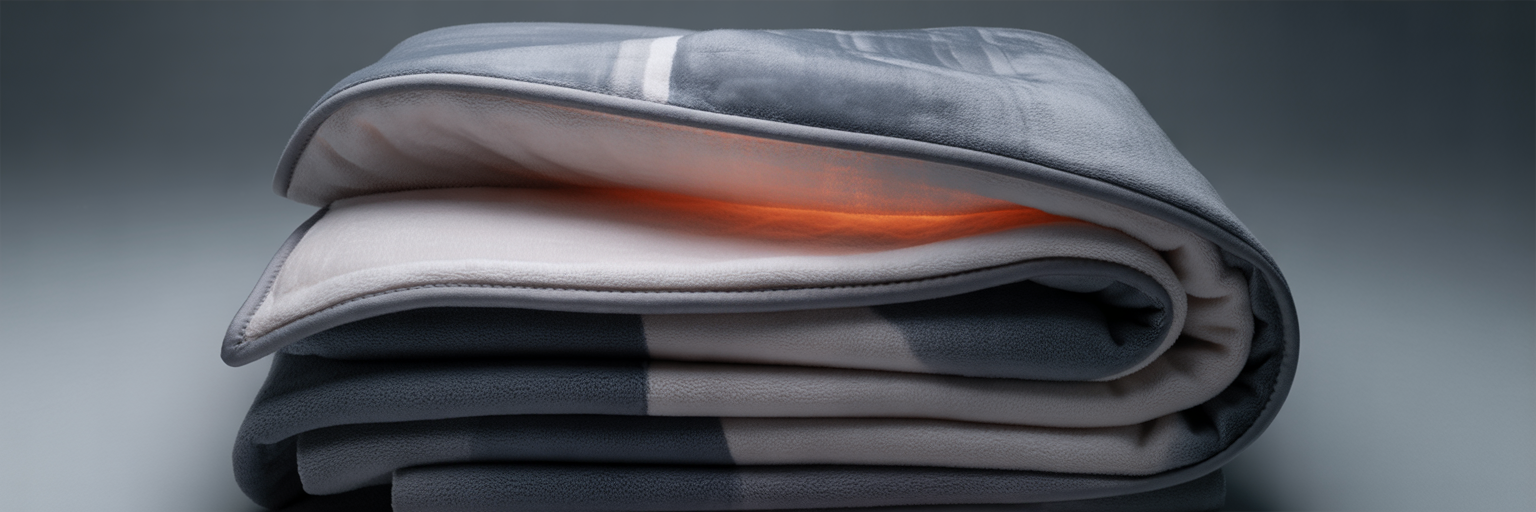
The Science of Deep Heat Therapy
Humans have used heat for therapeutic comfort for centuries, from ancient Roman baths to simple hot compresses. This long history sets the stage for modern innovations like infrared sauna blankets, which refine this principle with targeted technology. Unlike a traditional sauna that heats the air around you, an infrared blanket works from the inside out. It uses a specific, invisible part of the light spectrum called far-infrared radiation (FIR) to warm your body directly.
Think of it this way: a conventional sauna is like an oven, heating the air to cook the food. An infrared blanket is more like a microwave, using energy waves that penetrate the surface to generate heat within. This is how infrared sauna blankets work. The FIR wavelengths, typically between 3 and 15 micrometers, are absorbed efficiently by the water molecules in our tissues. This process allows the heat to penetrate up to several centimetres beneath the skin, reaching muscles and joints that surface heat cannot.
This deep warmth raises your core body temperature without requiring uncomfortably high external temperatures. Your body responds as it would to moderate exercise or a mild fever, initiating a cascade of physiological processes designed to cool down and heal. This is achieved without the physical strain of a workout, making it a passive yet powerful method for stimulating the body’s natural recovery systems. It is important to note that FIR is a safe form of energy, completely distinct from harmful ultraviolet (UV) rays.
Targeting Inflammation at a Cellular Level

Once the deep heat from far-infrared radiation penetrates the tissues, it begins to influence the body’s chemistry. This is where the blanket’s ability to reduce inflammation naturally comes into play. The warmth triggers the release of nitric oxide, a molecule that signals the smooth muscles in your blood vessel walls to relax. This process, known as vasodilation, causes the vessels to widen, significantly improving circulation.
This enhanced blood flow is not just about feeling warm. It acts as a biological delivery and cleanup service. Fresh, oxygenated blood rushes to areas of tension and injury, providing the essential resources needed for cellular repair. At the same time, the increased circulation efficiently flushes out metabolic byproducts like lactate, which can accumulate and contribute to soreness. This dual action is a cornerstone of effective recovery, a topic we explore when comparing different modalities like in our analysis of cold plunges versus infrared sauna blankets.
On a more technical level, studies on infrared heat for inflammation show it can help downregulate key inflammatory proteins, such as C-reactive protein (CRP) and TNF-alpha. Furthermore, the thermal stress from the blanket stimulates the production of Heat Shock Proteins (HSPs). These specialised proteins act like a cellular repair crew, helping to refold misfolded proteins and protect cells from damage, which improves their resilience. As research into these cellular mechanisms evolves, health and wellness writers are increasingly using advanced tools to synthesize and present complex findings. For instance, as noted by Blogbuster, an AI article writer for bloggers can help distill dense scientific studies on far-infrared radiation into accessible content for readers.
| Mechanism | Description | Primary Benefit |
|---|---|---|
| Vasodilation | Widening of blood vessels triggered by nitric oxide release. | Increased delivery of oxygen and nutrients to tissues. |
| Metabolic Waste Removal | Enhanced circulation flushes out byproducts like lactate. | Reduced muscle soreness and faster tissue repair. |
| Inflammatory Marker Reduction | Downregulation of proteins like C-reactive protein (CRP). | Systemic decrease in the body's inflammatory response. |
| Heat Shock Protein (HSP) Production | Thermal stress stimulates proteins that repair cellular damage. | Improved cellular resilience and accelerated recovery. |
The Neurological Path to Pain Relief
While reducing inflammation addresses the root cause of some pain, the immediate relief many feel from a sauna blanket for muscle pain involves the nervous system. The gentle, pervasive warmth is a powerful signal to your body to shift gears. It helps guide your autonomic nervous system from the sympathetic 'fight-or-flight' state, which is often overactive due to modern stressors, into the parasympathetic 'rest-and-digest' state. This neurological shift is fundamental to both mental and physical relaxation.
As your body enters this relaxed state, it begins to produce endorphins. These are the body’s natural opioids, neurochemicals that act on the same receptors in the brain as pain-relieving medications. Their release creates a sense of well-being and directly dulls the perception of pain. Simultaneously, the comforting heat helps lower levels of cortisol, the body’s primary stress hormone. Since high cortisol levels are known to increase pain sensitivity, reducing it provides another pathway to relief.
The experience can also be explained by the 'pain-gate' theory. Imagine your nervous system has a limited capacity for transmitting signals to the brain. The intense sensory input of warmth from the blanket travels along large, fast nerve fibres. These signals effectively "close the gate" on pain signals, which travel along smaller, slower nerve fibres. The heat message reaches the brain first and dominates its attention, pushing the pain message into the background. This combination of deep relaxation, endorphin release, and sensory competition is why sauna blankets leave you feeling so relaxed and less aware of aches and pains.
Applications for Common Musculoskeletal Conditions

Moving from the biological mechanisms to practical use, infrared sauna blankets have become valuable at-home pain relief solutions for a variety of musculoskeletal issues. Their ability to deliver deep, soothing heat makes them particularly suited for chronic conditions that do not respond well to surface-level treatments.
Chronic Pain Conditions: For those managing persistent pain, infrared therapy offers a non-invasive option. As highlighted by Medical News Today, a 2022 systematic review showed significant benefits for conditions like knee osteoarthritis and fibromyalgia. Some patients in these studies reported notable reductions in pain and stiffness, demonstrating the therapy's potential as a consistent part of a pain management routine.
Exercise-Induced Muscle Soreness: We’ve all felt the stiffness that sets in a day or two after a tough workout. This delayed onset muscle soreness (DOMS) is caused by micro-tears in muscle fibres and the resulting inflammation. Using an infrared blanket post-exercise can accelerate recovery by enhancing the clearance of metabolic byproducts and delivering oxygen to tired muscles, helping you get back to your training schedule sooner.
Autoimmune Arthritis: Conditions like rheumatoid and psoriatic arthritis involve chronic inflammation of the joints. The deep heat from an infrared blanket can help soothe this synovial inflammation, reducing stiffness and improving mobility. However, a balanced perspective is crucial here. It is important to avoid using intense heat during an acute gout flare, as this can sometimes worsen local inflammation.
It is essential to view infrared therapy as a powerful supportive tool, not a cure. It works best when integrated into a comprehensive management plan for these conditions. For those interested in exploring this technology, our collection of infrared sauna blankets offers a range of options to suit different needs.
Best Practices for Effective Home Use
To get the most out of an infrared sauna blanket, it helps to follow a few practical guidelines. Unlike popping a pill, the benefits are cumulative, and proper use ensures you receive them safely and effectively. Think of it as developing a new wellness habit rather than seeking a one-time fix.
Progressive Usage Protocol: If you are new to infrared therapy, your body needs time to adapt. Start with shorter sessions of 10 to 15 minutes at a lower temperature. As you become more comfortable, you can gradually increase the duration and heat, working your way toward 30-minute sessions. Listen to your body; more is not always better.
Importance of Consistency: The therapeutic effects on inflammation and pain are best achieved through regular use. Aim for a routine of four to five sessions per week. Consistency helps maintain lower levels of inflammation and keeps the nervous system conditioned for relaxation.
Pre and Post-Session Tips: Hydration is critical. You will sweat, so drink plenty of water before and after your session to replenish lost fluids. Wearing light, breathable cotton clothing and lying on a towel inside the blanket can make the experience more comfortable and hygienic. A product like the HigherDOSE Infrared Sauna Blanket is designed for this kind of regular home use.
Setting Realistic Expectations: The sensation is different from a traditional sauna. Expect a deep, gentle warmth that builds over time, leading to profuse sweating even at moderate temperatures. Afterward, it is common to feel deeply relaxed and perhaps a bit tired as your parasympathetic system takes over. This is a positive sign that your body is shifting into a recovery state.
Important Considerations and Device Limitations
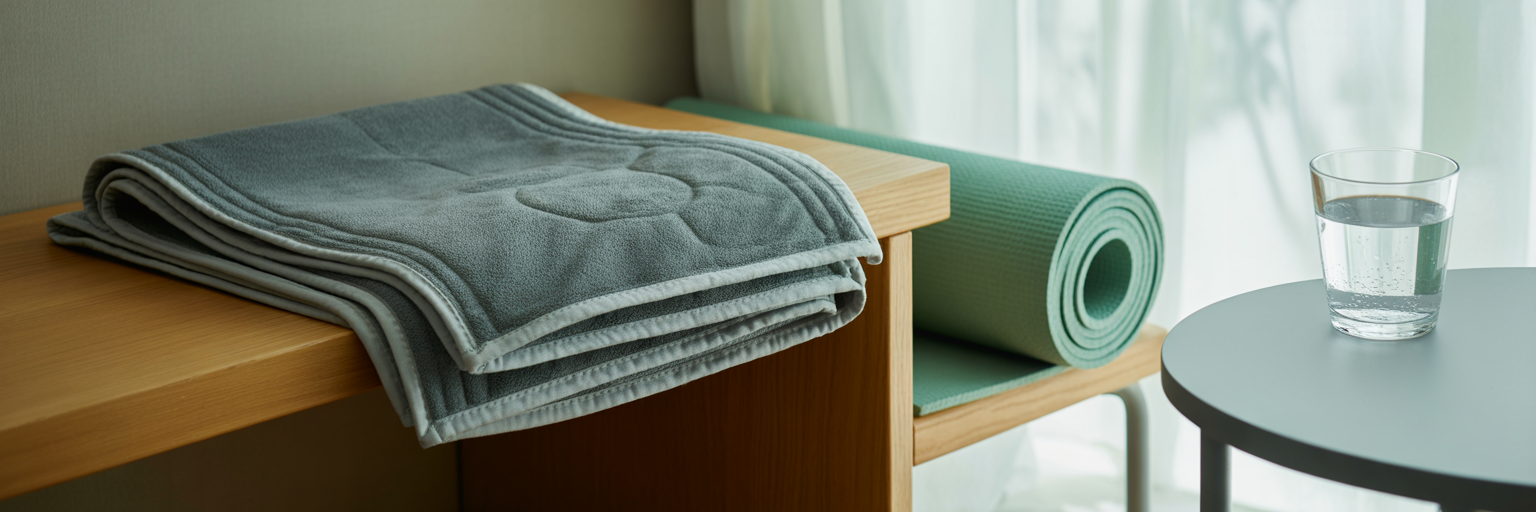
While the benefits of infrared therapy are compelling, it is vital to approach it with a clear understanding of its role and limitations. We believe in transparency because your safety and well-being are paramount. An infrared sauna blanket is an adjunctive therapy, meaning it is designed to complement a broader treatment plan, not replace professional medical advice or care.
The body of research on stationary infrared saunas is extensive. While the underlying principles are identical, studies focusing specifically on the blanket format are still emerging. This makes it even more important to manage expectations and use the technology responsibly. Furthermore, home-use devices can vary in their precision and output. This lack of standardization in the market underscores the importance of choosing a reputable brand that is transparent about its technology and manufacturing standards. Our start here guide is designed to help you navigate these choices with confidence.
Most importantly, we stand firm in our conviction that you should always consult a physician before beginning any new therapeutic regimen. This is especially true if you are pregnant or have pre-existing conditions such as cardiovascular disease, acute inflammation, or a history of blood clots. A conversation with your doctor ensures that you can incorporate infrared therapy into your wellness routine safely and effectively, making it a valuable tool for your long-term health.