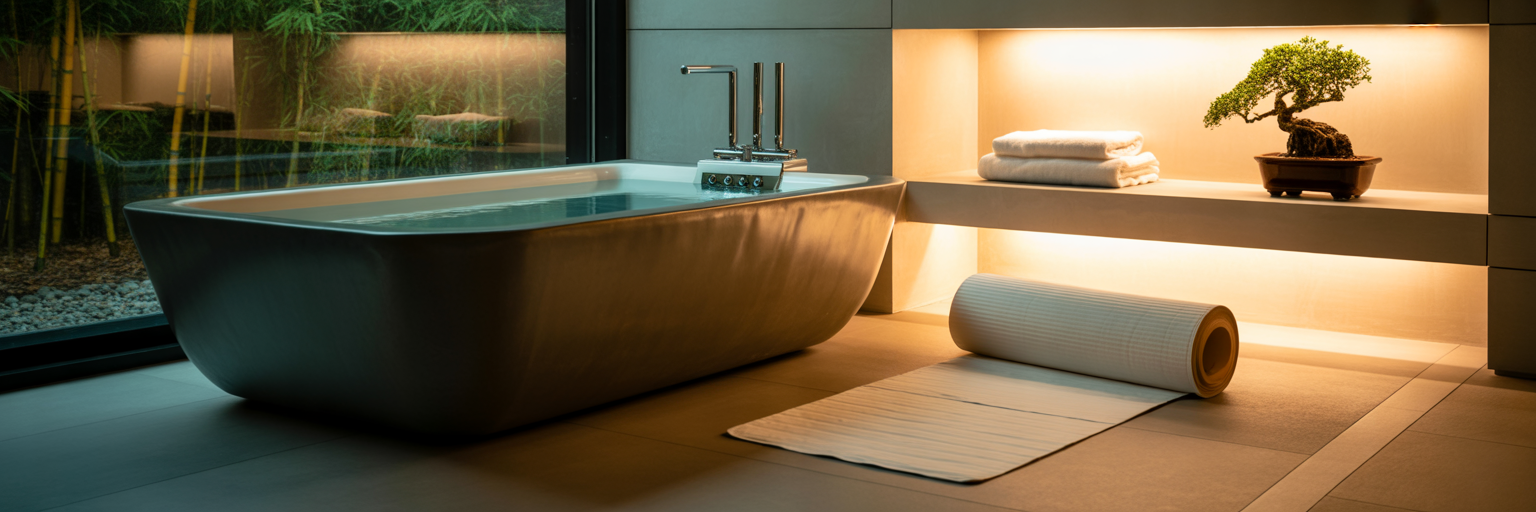
The concept of a dedicated wellness space isn't new; ancient Roman bathhouses served as communal hubs for health and socialising. Today, that need for a restorative environment has moved into our homes. Creating an at-home recovery space is no longer a luxury but a functional necessity for managing the demands of modern life. It’s about intentionally crafting a corner of your world dedicated solely to physical and mental restoration.
Laying the Foundation for Your Recovery Sanctuary
Before you even think about equipment, the first step is to prepare the container. The physical and psychological groundwork of your space determines its effectiveness. This is where you begin to design a personal wellness sanctuary by making deliberate choices about its structure and feel.
Select the Ideal Location
The best spot for your recovery space is often the one you walk past the least. A low-traffic area, like a spare bedroom, a quiet corner of a basement, or even a converted closet, minimises unexpected interruptions. We all know that feeling of being jolted out of a calm state by a sudden noise or someone walking in. Each interruption can spike cortisol, the very stress hormone you’re trying to reduce. Choosing a secluded spot is your first line of defence against this.
Embrace the Power of Zoning
In professional kitchens, chefs create zones for prepping, cooking, and plating to maintain efficiency. Applying this same logic to your wellness room streamlines your routine. Designate distinct areas for different activities. You might have a zone for thermal therapies, another for stretching and myofascial release, and a quiet corner for meditation. This mental map reduces decision fatigue and helps you transition smoothly between recovery modalities, making your practice more consistent.
Prioritize Decluttering and Organization
A cluttered space creates a cluttered mind. Visual noise contributes to cognitive load, making it difficult to mentally switch off. The process of how to build a wellness room must start with decluttering. Invest in simple, closed storage solutions like cabinets or bins to hide away items that aren’t in use. A tidy environment sends a powerful signal to your brain that this is a place of order and calm, allowing for deeper relaxation.
Establish a Minimalist Design Philosophy
Your design choices should serve one purpose: to create a visually restful state. Opt for a neutral colour palette with soft, earthy tones like beige, grey, or muted greens. These colours are naturally calming and recede into the background. Keep decor to a minimum. A single piece of art or a plant is more impactful than a collection of objects vying for your attention. The goal is to create a serene backdrop that allows your mind to settle. For those looking to explore all the possibilities for their new space, our blog offers a wealth of information on different recovery methods and products.
Engaging the Senses for Deeper Relaxation
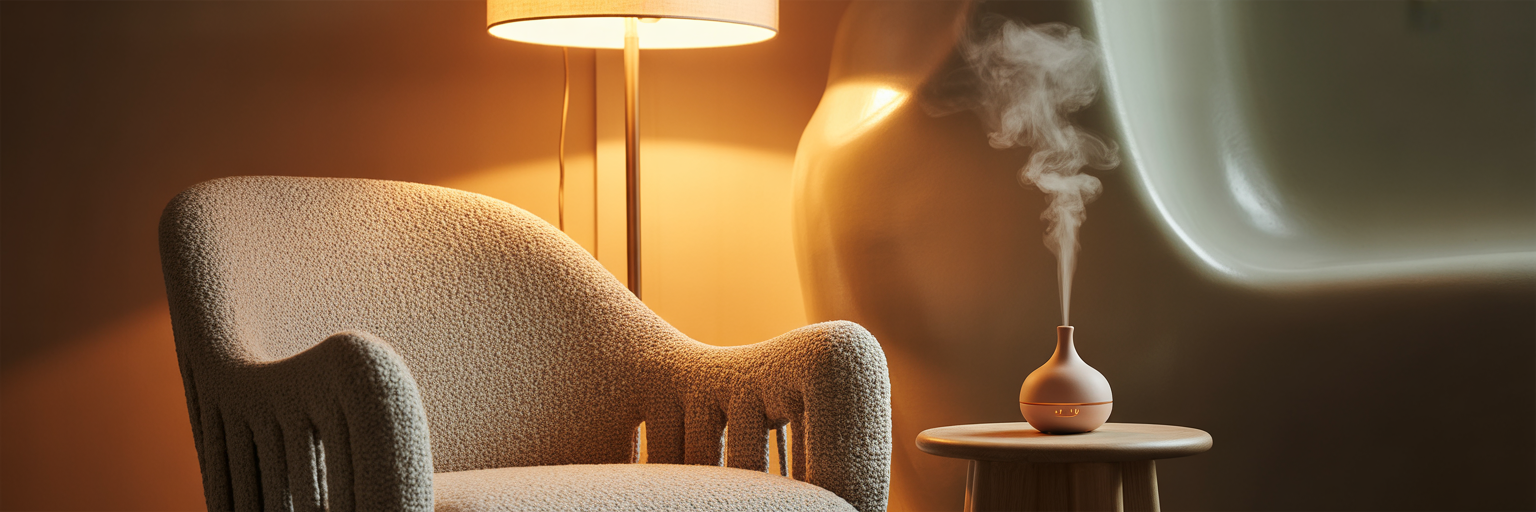
With the physical foundation of your sanctuary set, the next layer involves curating an immersive atmosphere. The difference between a functional room and a truly restorative one lies in the sensory details. It’s about intentionally shaping the light, sound, and feel of the space to guide your body and mind toward a state of deep relaxation.
Master Your Lighting Environment
Our bodies are wired to respond to light. Bright, blue-toned light in the evening can disrupt our natural circadian rhythms, suppressing melatonin production and making it harder to wind down. Take control of your lighting by installing dimmable fixtures with warm-toned LED bulbs. Smart bulbs are an excellent tool, allowing you to schedule a shift to warmer, dimmer light as evening approaches. For an added layer of protection, consider using blue light blocking glasses in the hours before you use your space. To learn more about effective light-filtering products, you can explore options like those from our BlockBlueLight collection.
Curate a Calming Soundscape
Sound is a powerful tool for both masking distractions and guiding the mind. The distant hum of traffic or a neighbour’s television can easily pull you out of a meditative state. Consider using noise-cancelling headphones to create a bubble of silence. Alternatively, a quality speaker can fill the room with calming soundscapes. Think beyond gentle music; binaural beats can help guide brainwaves toward a relaxed frequency, while nature sounds like rain or waves provide a soothing, non-distracting background.
Incorporate Therapeutic Aromas
Scent is directly linked to the brain's emotional centre. Using aromatherapy is a simple yet profound way to shift the mood of your space. An essential oil diffuser can disperse scents that trigger specific physiological responses. For instance, lavender is widely known for its calming properties, making it ideal for pre-sleep routines. Eucalyptus can help open airways and promote a sense of clarity, perfect for use after a workout. Peppermint can be invigorating and help with focus during a gentle stretching session.
Focus on Texture and Natural Materials
The things you touch have a grounding effect. Incorporating a variety of textures and natural materials can make your space feel more comfortable and secure. Think about the feel of a plush wool rug under your feet, the smoothness of a wooden stool, or the soft weight of a linen blanket. These tactile sensations provide a sense of comfort and connection to the natural world, enhancing the overall feeling of safety and peace within your sanctuary.
Equipping Your Active Recovery Zone
Once your sanctuary’s atmosphere is perfected, it’s time to select the tools that will do the heavy lifting. This is the practical core of your home gym recovery area, where technology and targeted equipment work to accelerate physical repair. These are the recovery room essentials that transform a calm room into a high-performance wellness hub.
Integrate Thermal Contrast Therapies
Alternating between hot and cold is a time-tested method for boosting circulation, reducing inflammation, and accelerating muscle repair. Modern technology makes this easier than ever to do at home. Infrared sauna blankets provide deep, penetrating heat that helps release muscle tension and promote detoxification through sweat. On the other end of the spectrum, cold plunge tubs are invaluable for managing inflammation. As a recent meta-analysis in the journal Sports Medicine highlights, cold water immersion is a proven strategy for reducing muscle soreness after intense exercise. For those interested in exploring different options, our collection of cold plunge tubs offers a range of solutions.
Harness Energy and Light-Based Technologies
Some of the most effective recovery tools work at a cellular level. PEMF therapy mats use pulsed electromagnetic fields to support your body’s natural recovery functions, almost like a battery charger for your cells. Many people wonder why it feels like nothing is happening during a session; for those curious, our article explains the science behind this invisible sensation. Similarly, red light therapy panels use specific wavelengths of light to stimulate mitochondrial function, which can help reduce pain and support skin health. These technologies offer foundational support for your body’s repair systems.
Include Tools for Myofascial Release
No recovery space is complete without tools for addressing tight muscles and fascia. While they may seem basic, each tool has a distinct purpose. Foam rollers are excellent for large muscle groups like the quads and back. Smaller massage balls can pinpoint trigger points in areas like the shoulders and hips. A percussion massager offers a more intense, targeted treatment to break up deep muscle knots and increase blood flow.
Select Equipment Based on Personal Goals
What does your body need most? A marathon runner’s recovery needs differ from a weightlifter’s. Before investing, assess your primary activities, budget, and available space. A runner might prioritize a cold plunge for leg recovery, while someone with a stressful desk job might get more benefit from an infrared sauna blanket and a PEMF mat for relaxation and cellular energy. Use your goals as a filter to build a toolkit that serves you best.
| Technology | Primary Benefit | Mechanism of Action | Best For |
|---|---|---|---|
| Infrared Sauna Blanket | Detoxification & Relaxation | Induces deep sweat and increases core body temperature | Post-workout muscle soreness, stress reduction |
| Cold Plunge Tub | Reduces Inflammation | Constricts blood vessels to decrease inflammation and swelling | Intense training recovery, building mental resilience |
| PEMF Mat | Cellular Repair & Energy | Uses electromagnetic fields to recharge cells | Chronic pain, low energy, foundational wellness |
| Red Light Therapy Panel | Skin Health & Reduced Pain | Specific light wavelengths stimulate mitochondrial function | Joint pain, skin rejuvenation, targeted inflammation |
This table provides a simplified overview to guide selection. The effectiveness of each modality can vary based on individual physiology and consistent use.
Designing a Dedicated Space for Stillness
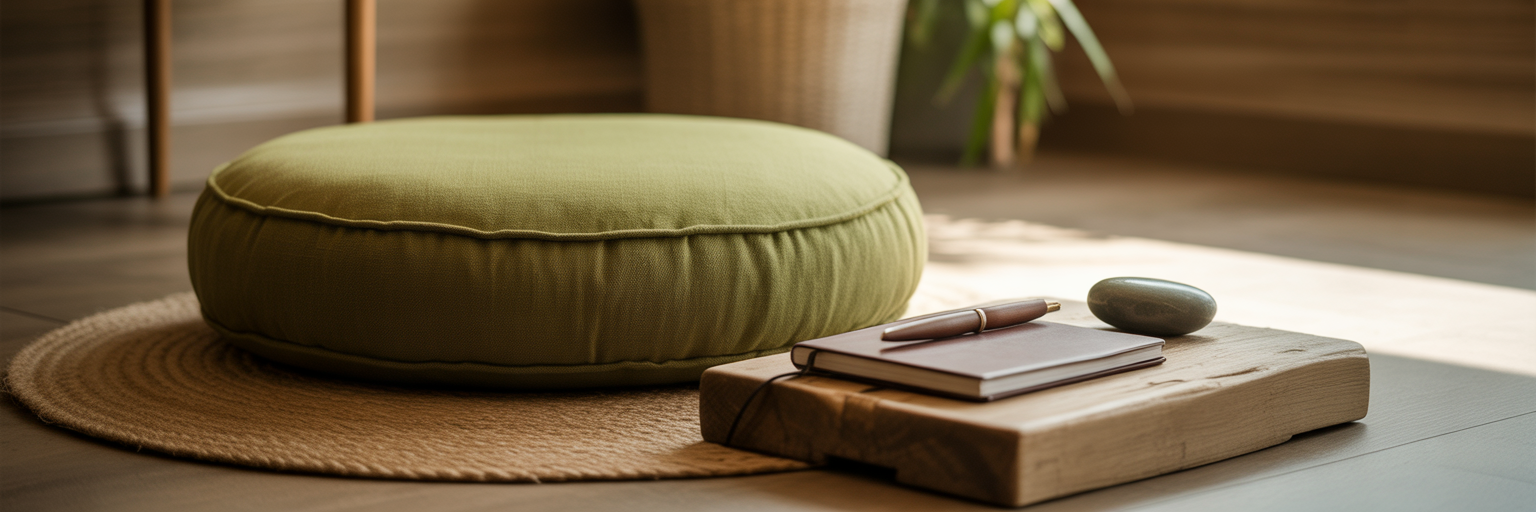
While the active recovery zone targets the body, a complete sanctuary must also cater to the mind. This section is about carving out a space dedicated exclusively to mental and emotional regulation. It’s the quiet counterpart to your active tools, designed to help you disconnect, process, and find stillness in a world that rarely stops moving.
Carve Out a Mindfulness Nook
The simple act of designating a specific spot for mindfulness sends a powerful signal to your brain. Just as your bed signals sleep, this nook signals that it’s time to switch off and turn inward. It doesn’t need to be large; an empty corner with a comfortable cushion is enough. The consistency of using the same spot reinforces the mental transition, making it easier to drop into a meditative state over time. This is a key element in creating a holistic personal wellness sanctuary.
Gather Essentials for Meditation and Breathwork
Mental wellness doesn’t require expensive equipment. The essentials for this space are rooted in simplicity and comfort. A supportive meditation cushion or bench helps maintain good posture, preventing physical discomfort from becoming a mental distraction. A soft mat can define the space and add a layer of comfort. The focus here is on removing barriers, ensuring your environment supports your practice rather than complicating it.
Incorporate a Journaling or Reading Station
We all know that feeling of endless scrolling, where time disappears without any real sense of rest. Creating a small station with a comfortable chair, a notebook, and a pen is a deliberate act of rebellion against digital distraction. Journaling provides an outlet to process thoughts and emotions, while reading a physical book allows your mind to focus on a single narrative. This analogue retreat is a crucial practice for reducing mental clutter.
Bring Nature Indoors
There is a reason we feel calmer after a walk in the park. Biophilia, our innate tendency to connect with nature, can be harnessed within your recovery space. Incorporating low-maintenance houseplants like snake plants, ZZ plants, or pothos not only adds a calming visual element but also helps improve air quality. Tending to a plant, even for a moment, can be a small, grounding ritual that connects you to the natural world.
Building Sustainable Recovery Routines
A beautifully designed space is only effective if you use it. The final step is to integrate your recovery sanctuary into your daily life by building sustainable habits. This is where you translate your investment of time and resources into tangible, consistent results. The best at-home recovery space ideas are the ones that become second nature.
Anchor Recovery to Existing Habits
The most effective way to build a new habit is to attach it to one you already have. This concept, known as habit stacking, removes the need for motivation. For example: "After I finish my morning workout, I will spend 10 minutes in my cold plunge." Or, "After I brush my teeth at night, I will spend 15 minutes on my PEMF mat." By linking your recovery practice to an established part of your day, you create an automatic trigger that makes consistency feel effortless.
Develop Pre-Set Recovery Protocols
Decision fatigue can be a major barrier to recovery. When you’re tired, the last thing you want to do is figure out a plan. Create a few pre-set protocols for different needs. For instance, understanding the differences between modalities can help you choose. For those wondering how to decide, our comparison of a cold plunge and an infrared sauna blanket can guide your choice.
Post-Workout Protocol: 10 minutes of targeted red light therapy on sore muscles, followed by 15 minutes in an infrared sauna blanket to ease tension.
Stress Reduction Protocol: 20 minutes on a PEMF mat while listening to a guided meditation, followed by 5 minutes of journaling.
High-Intensity Recovery Protocol: 3-minute cold plunge to reduce inflammation, followed by 20 minutes of gentle stretching.
Schedule Your Self-Care
Treat your recovery time with the same importance as a work meeting or a doctor's appointment. Block it out in your calendar. This simple act transforms self-care from a "nice-to-have" into a non-negotiable part of your schedule. When it’s on the calendar, you are far more likely to protect that time and follow through.
Listen to Your Body and Adapt
While protocols are helpful, the ultimate guide should always be your own body. Some days you may need an intense cold plunge, while on others, a gentle session with a sauna blanket is what’s required. Pay attention to your energy levels, soreness, and mental state. Rigidity is the enemy of sustainable wellness. Empower yourself to be flexible and intuitive, adapting your routine to what you truly need in the moment.
Maintaining Your Wellness Environment
Your recovery sanctuary is an investment in your well-being, and like any valuable asset, it requires upkeep. Maintaining the space is not a chore but an extension of your wellness practice. A clean, organized, and accessible environment removes friction and ensures your sanctuary remains an inviting and effective retreat for the long term.
Establish Simple Cleaning Procedures
Create straightforward cleaning routines for your equipment to ensure hygiene and longevity. For instance, wipe down your infrared sauna blanket with a non-toxic cleaner after each use. Establish a clear schedule for maintaining the water quality in your cold plunge tub. Keeping these tasks simple and consistent prevents them from becoming overwhelming.
Implement a Weekly 'Reset' Ritual
Set aside 10-15 minutes once a week to reset the space. This isn’t deep cleaning; it’s a mindful practice of putting things back in their place, tidying surfaces, and restoring order. This ritual ensures the room is always ready for you, preventing that moment of hesitation when you see a messy space and decide to skip your session.
Optimize for Ease of Use
The easier it is to use your space, the more you will use it. This is a critical psychological point. Keep your most frequently used items readily accessible. If you have to pull your PEMF mat out from under a bed every time, you’re less likely to use it. Store your meditation cushion where you can see it. Reducing the effort required to start your routine is key to building consistency.
Periodically Refresh the Space
Your wellness needs may evolve, and your sanctuary can evolve with you. To keep the space feeling fresh and engaging, make small, periodic updates. This could be as simple as introducing a new essential oil scent, adding a new low-maintenance plant, or changing the artwork. Viewing your sanctuary as a dynamic environment keeps it from feeling stale and ensures it continues to inspire your wellness journey.