Most people don’t start by choosing between brands like Joovv and Mito Light. They start by trying to understand why red light therapy panels vary so much in price.
At first glance, they look similar. Panels, lights, stands, wall setups. The difference isn’t obvious until you start looking at how they’re actually used in a home.
That’s where the gap starts to make sense. Not as a question of which one is better, but as a question of how much structure, coverage, and permanence someone wants to build into their routine.
Where the difference really begins
The difference between mid-range and premium red light therapy systems doesn’t usually come down to a single feature. It comes down to how the system behaves once it’s part of your home.
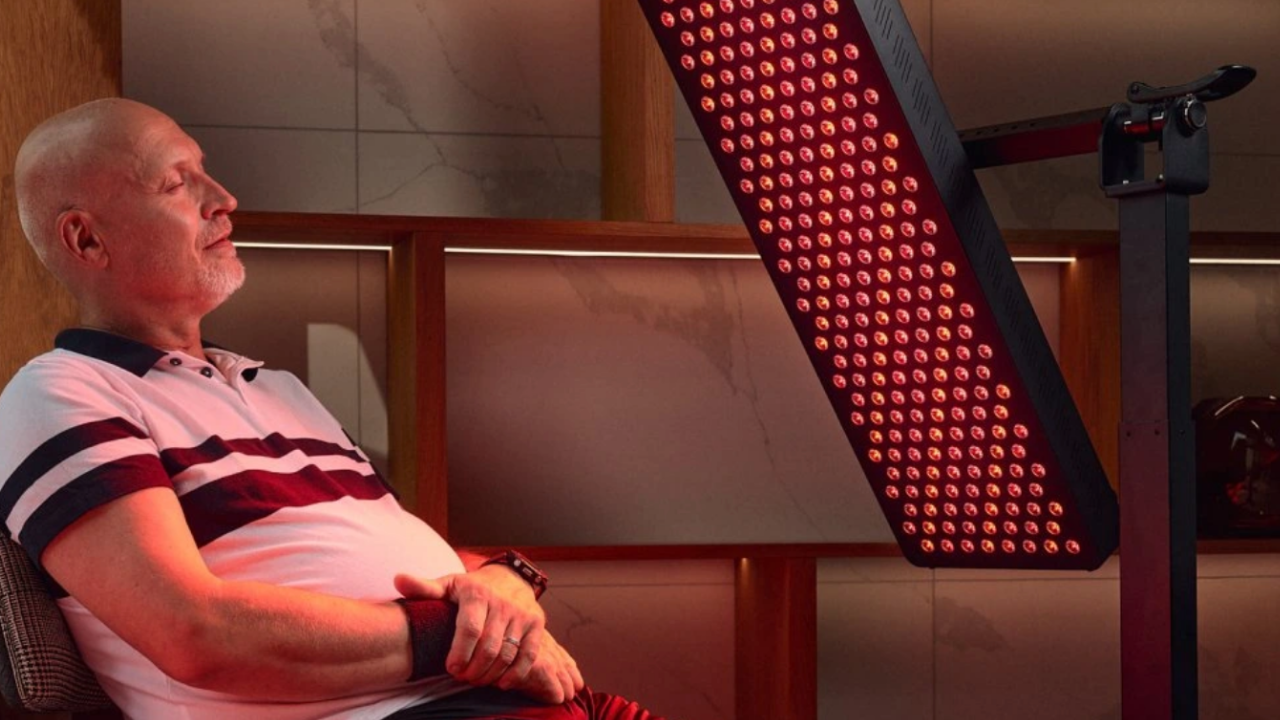
Mid-range systems, like those from Mito Light, are often built around flexibility. They’re designed to be used regularly without requiring a dedicated space. You can move them, adjust them, and fit them into different parts of your routine.
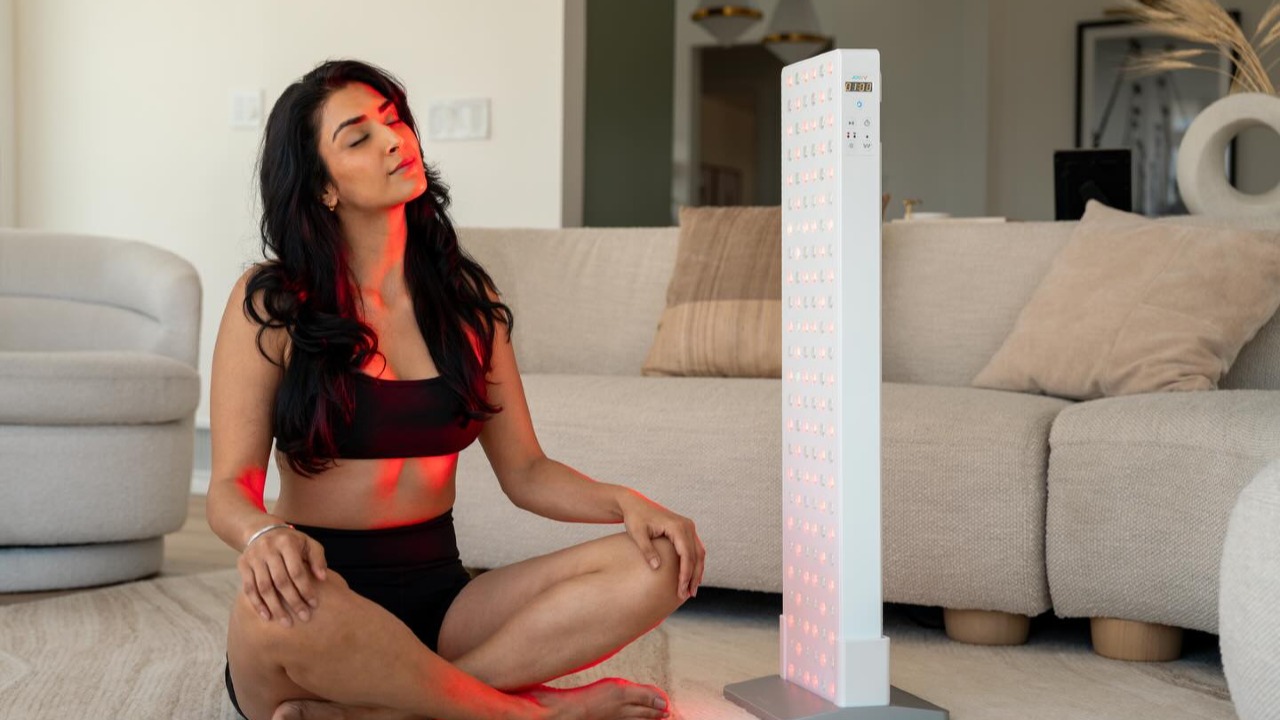
Premium systems, like those from Joovv, tend to move in the opposite direction. They’re designed to stay in place. The structure is more fixed, and the expectation is that the system becomes part of the environment rather than something you set up each time.
That shift changes how they feel to use, even before you get into technical details.
Coverage and how sessions feel
One of the most noticeable differences is how much of the body is treated in a single session.
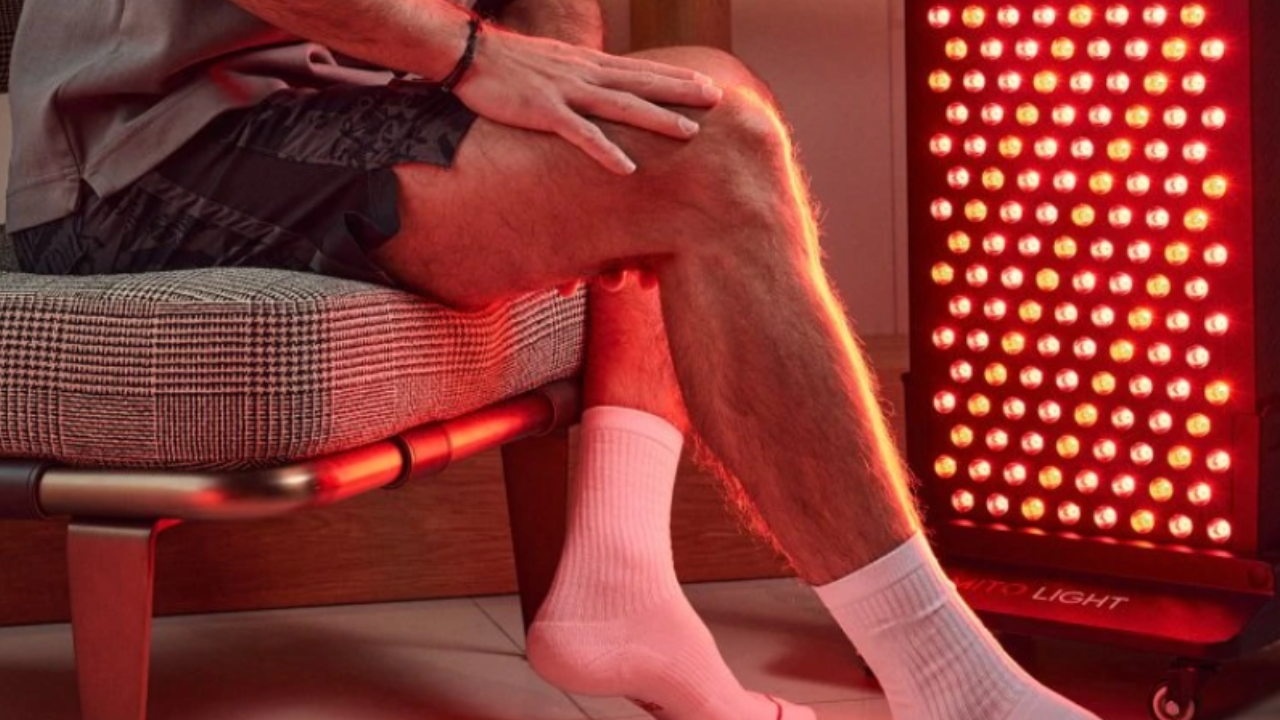
Mid-range panels usually require some level of repositioning. Even with larger units, you’re often working in sections. It’s not difficult, but it does require a bit of interaction.
With modular systems like Joovv, the goal is to reduce that interaction. Larger configurations allow for more full-body coverage in one position, which changes the flow of a session. Instead of moving the panel, you step into a fixed setup.
That difference sounds small, but over time it affects how easy the routine is to maintain.
Setup versus permanence
Mito Light systems tend to fit into existing spaces. They don’t demand a dedicated area, which makes them easier to introduce into a home without making changes.
Joovv systems are often built with the expectation that they will stay where they are installed. Wall-mounted panels or modular full-body setups create a more permanent presence.
This doesn’t mean one approach is better. It depends on how someone wants to use it.
Some people prefer flexibility. Others prefer a setup that doesn’t need to be adjusted or moved once it’s in place.
Routine and consistency
This is where the difference becomes practical.
A system that is easy to move and adjust can be convenient at the beginning, but it may require more effort to use consistently over time. A system that stays in place removes those steps, which can make it easier to build a habit around it.
Mid-range systems often strike a balance. They’re simple enough to use regularly, but still flexible.
Premium systems reduce friction further by removing setup entirely. The trade-off is that they take up more space and require more commitment upfront.
Price and what it reflects
The price difference between Mito Light and Joovv isn’t just about materials or branding. It reflects how the system is designed to be used.
Mid-range systems focus on accessibility. They allow people to build a routine without committing to a full installation.
Premium systems reflect a different approach. They’re built for people who already know they want red light therapy to be part of their environment long-term.
The cost includes not just the panel itself, but the structure around how it’s used.
How people usually decide
Most people don’t compare these systems side by side in detail. They think about how it would fit into their home.
If the idea is to try red light therapy, or to use it in a flexible way, mid-range systems tend to make more sense.
If the goal is to build a dedicated recovery space and remove as much friction as possible, premium systems become more relevant.
It’s less about features and more about how fixed the routine is meant to be.
Where each one fits
Mito Light tends to sit in the middle ground. It allows for consistent use without requiring a permanent setup.
Joovv sits at the higher end, where the system becomes part of the space itself.
Both support the same underlying concept. The difference is how much of your environment you’re willing to shape around that concept.
Over time, the choice usually comes down to how integrated you want the system to be.
Some people prefer something they can use when needed, without changing their space. Others prefer something that is always there, ready, and part of the structure of the home.
Looking at both approaches side by side makes that distinction clearer. Not as a matter of which one is better, but as a matter of how each one fits into real life.