Defining Cold Water Immersion
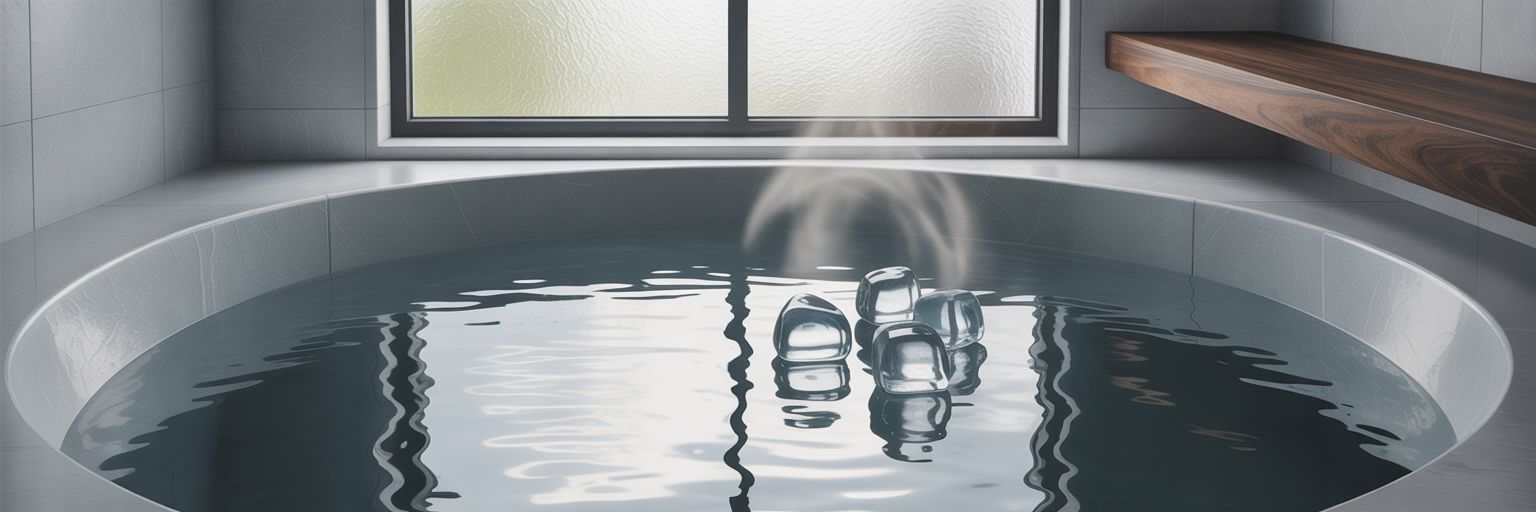
While historical figures may have used icy rivers for vitality, today we understand the precise physiological triggers that make cold water a powerful recovery tool. The modern practice, known as cold water immersion (CWI), is a deliberate therapeutic method. It involves submerging the body in water kept between a specific temperature range of 4°C to 15°C (39°F to 59°F). This is not just a cold bath; it is a controlled application of a physical stressor to stimulate profound adaptive responses.
When you first enter the water, your body initiates a cold-shock response. You might gasp for air as your heart rate momentarily spikes. This is a completely normal survival mechanism, not a sign of failure. For beginners, it is wise to start at the warmer end of the spectrum, around 15°C, to allow your nervous system to acclimate safely. This gradual approach makes the practice sustainable.
It is also important to distinguish CWI from other cold therapies like cryotherapy. Water is far more effective at transferring heat away from the body than air. This means it provides a more intense and uniform stimulus. Additionally, the hydrostatic pressure of the water envelops your limbs, providing a gentle compression that further aids recovery. With the right equipment, these at-home recovery solutions become accessible and consistent. The goal is not to endure pain, but to use a controlled stressor to build resilience and accelerate recovery.
The Neurochemical Impact on Mood and Focus

Beyond the physical sensations, one of the most immediate effects of a cold plunge happens within the brain. The intense stimulus of the cold water triggers a significant release of key neurochemicals. Research indicates that this practice can lead to a substantial cold plunge dopamine increase, with levels rising by as much as 250%. Dopamine is the molecule of motivation and reward, which explains the feeling of accomplishment and elevated mood that follows a session. At the same time, norepinephrine, a chemical responsible for focus and attention, can surge by 200-500%.
This neurochemical cascade translates into tangible, real-world benefits. Many people report a feeling of heightened alertness, mental clarity, and a positive outlook that can last for hours after they exit the water. It is like hitting a reset button for your brain. Voluntarily pushing through the initial discomfort of the cold also acts as a form of stress inoculation. You are teaching your nervous system to remain calm under pressure, which builds mental fortitude that carries over into other areas of life.
It is important to maintain a balanced perspective here. While the mood-supporting effects are powerful, and as a recent analysis by the Cleveland Clinic shows, the benefits are varied, cold plunging is not a replacement for professional medical treatment for clinical depression or anxiety. Instead, it should be viewed as a complementary practice within a holistic wellness routine, designed to support your mental and emotional well-being.
Physiological Mechanisms for Physical Recovery
While the brain experiences a rush of feel-good chemicals, the body undergoes its own powerful restorative process. The primary mechanism behind cold plunge for muscle recovery is peripheral vasoconstriction. When you submerge in cold water, the blood vessels in your limbs and skin narrow, shunting blood away from the extremities and toward your vital organs in the core. This is a protective response designed to conserve heat and protect your core temperature.
The real magic happens when you get out. As your body begins to re-warm, the blood vessels dilate, creating a rebound effect. A rush of fresh, oxygenated, and nutrient-rich blood flows back into your muscles. This powerful "flushing" action helps clear out metabolic waste products, such as lactic acid, that accumulate during intense exercise. It also plays a direct role in mitigating the inflammatory response that leads to Delayed-Onset Muscle Soreness (DOMS). By managing this inflammation, you can reduce muscle soreness and get back to training sooner.
Beyond the temperature-driven effects, the simple physical pressure of the water, known as hydrostatic pressure, provides an additional benefit. This gentle, uniform compression helps reduce swelling and oedema in the muscles, further aiding the circulatory process. When considering your recovery toolkit, understanding how these mechanisms compare to other modalities is useful. As we explored in our comparison of cold plunges and infrared saunas, each tool offers distinct physiological advantages for recovery.
Optimizing Your Plunge for Specific Goals

Understanding the science is one thing; applying it effectively is another. To get the most out of the practice, it helps to know how to use a cold plunge tub with intention. Research from scientists like Dr. Susanna Søberg provides a clear, evidence-backed protocol: aim for a total of 11 minutes of cold exposure per week. This should be broken down into two to four sessions, each lasting between two and five minutes. This highlights a key principle: consistency is far more important than duration. Pushing for longer sessions does not necessarily yield better results and can increase risk.
The timing of your plunge is also critical and depends entirely on your training goals. If your primary focus is muscle growth (hypertrophy), you should avoid cold plunging within four to six hours after a strength workout. The acute inflammation that the cold blunts is actually a necessary signal for muscle protein synthesis. In contrast, for endurance athletes or those in multi-day competitions, an immediate post-exercise plunge can be highly beneficial for managing systemic inflammation and accelerating recovery between events. Just as you protect your valuable electronics with a specialized case—a market where brands like cocomii.com are known—timing your plunge correctly protects your hard-earned muscle gains from being blunted.
Finally, consider the "end on cold" principle. After your plunge, resist the urge to jump into a hot shower. Allowing your body to re-warm naturally forces it to activate its own internal heating mechanisms. This process is not just about building mental toughness; it is a key trigger for the metabolic benefits we will discuss next.
| Training Goal | Optimal Plunge Timing | Scientific Rationale |
|---|---|---|
| Muscle Growth (Hypertrophy) | Wait 4-6 hours post-workout, or on rest days | Preserves the acute inflammatory response necessary for muscle protein synthesis and growth. |
| Endurance Recovery | Immediately after training or between events | Reduces systemic inflammation and muscle damage, accelerating recovery for subsequent performance. |
| Mental Clarity & Resilience | First thing in the morning, independent of workouts | Maximizes the neurochemical surge of dopamine and norepinephrine for sustained focus and mood elevation. |
Metabolic Benefits and Long-Term Adaptation
While the immediate recovery benefits are compelling, the long-term adaptations from consistent practice are where the science of cold water immersion reveals its deeper value. Regular cold exposure can lead to significant changes in your metabolism. One of the key players in this process is Brown Adipose Tissue (BAT), often called "brown fat." Unlike the white fat that stores energy, BAT is metabolically active and its primary function is to burn calories to generate heat, a process known as thermogenesis.
Consistent cold exposure is one of the most effective ways to activate and potentially increase your body's stores of BAT. When you force your body to re-warm itself naturally, as with the "end on cold" principle, you are essentially giving your brown fat a workout. Over time, this activation can improve your metabolic flexibility, enhancing your body's ability to regulate its temperature and even improving insulin sensitivity. This turns a simple recovery session into a powerful metabolic tool.
With continued practice, you will also experience cold adaptation. The initial shock response will diminish, and your body will become more efficient at warming itself. Plunges that once felt intensely challenging will become more manageable. This adaptation is a sign that your body is becoming more resilient, not just to cold, but to stress in general. To explore more topics on building a resilient wellness routine, you can find further insights on our blog.
Safety Protocols and Who Should Be Cautious
To harness the full range of cold plunge therapy benefits, the practice must be approached with respect and a focus on safety. The primary risks are hypothermia, which results from staying in the water for too long, and the acute cardiovascular strain from the initial cold shock. While frostbite is not a typical concern with standard cold plunge tubs, it is a risk in extreme conditions.
This practice is not suitable for everyone. Individuals with pre-existing heart conditions, uncontrolled hypertension, or circulatory conditions like Raynaud's syndrome should consult a doctor before attempting cold water immersion. Similarly, those who are pregnant should seek medical advice first. The goal is to challenge your body, not endanger it.
For those ready to begin, following a few best practices can ensure a safe and effective experience.
- Start with warmer temperatures: Begin around 15°C (59°F) and gradually work your way down as you adapt. An accessible option like our Ice Barrel 400 is perfect for beginners.
- Keep initial sessions short: Aim for just one to two minutes at first. You can slowly increase the duration as you become more comfortable.
- Never plunge alone: Especially when you are new to the practice, always have someone nearby.
- Focus on your breathing: The key to managing the initial shock is slow, controlled breathing. Exhale as you enter the water and focus on extending your breaths to calm your nervous system.