The Immediate Impact of Cold Water Immersion
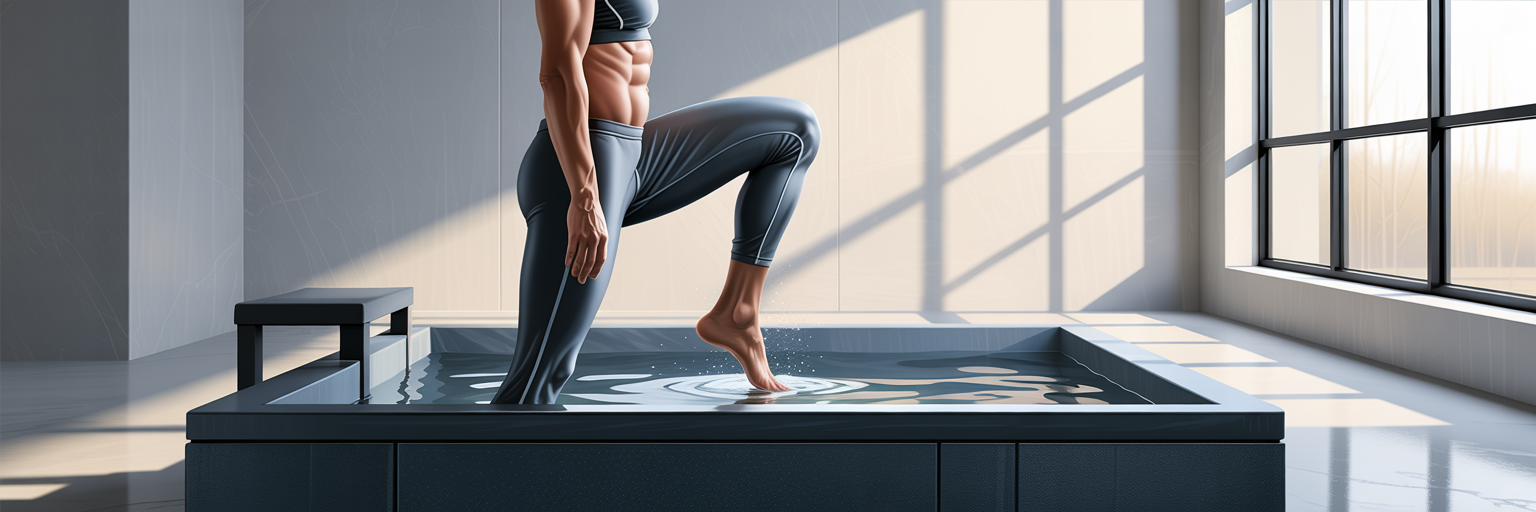
The human body's reaction to sudden cold is one of its most ancient survival mechanisms. This powerful response, once essential for enduring harsh environments, is now harnessed for modern recovery. When you first enter cold water, your body initiates a series of involuntary events that have profound physiological effects. Understanding the science of cold water immersion helps clarify why this practice feels so intense and invigorating.
The initial moment is defined by the "cold shock" response. You experience an involuntary gasp for air, followed by a brief period of rapid breathing. This is a non-habituating reflex, meaning it happens every time you plunge, regardless of experience. The key is not to fight it but to manage it. By focusing on slow, controlled exhalations, you can override this initial panic signal and calm your nervous system.
Simultaneously, your brain triggers a significant neurochemical cascade. Levels of norepinephrine, a neurotransmitter responsible for focus and attention, can spike dramatically. This is accompanied by a sustained release of dopamine, which influences motivation and mood. This combination is what produces that feeling of sharp alertness and mental clarity that many people report after a plunge. It’s a natural reset for your mind, driven by your body's core survival instincts.
Your circulatory system also responds instantly. To protect your vital organs, your body initiates vasoconstriction, the tightening of blood vessels in your extremities. This process shunts blood away from your skin, arms, and legs toward your core to preserve internal heat. This immediate redirection of blood flow is the foundational mechanism that sets the stage for the deeper recovery benefits that follow. While this initial shock is intense, it is the gateway to a wide range of recovery technologies, which you can explore further on our blog.
How Cold Plunges Address Muscle Inflammation
Once your body adapts to the initial cold shock, the therapeutic effects on your muscles begin. It is important to distinguish between two types of inflammation. Localized inflammation is what you feel as swelling and soreness in a specific muscle group after a tough workout. Systemic inflammation, on the other hand, is a body-wide condition. The primary strength of a cold plunge for inflammation lies in its ability to powerfully address localized issues, particularly delayed-onset muscle soreness (DOMS).
Research shows that cold water immersion can reduce DOMS by up to 20% in the 24 to 72 hours following strenuous exercise. This is a significant improvement for anyone looking to recover faster between training sessions. It is worth noting that a single cold plunge can cause a temporary, acute increase in systemic inflammatory markers. This is simply part of the body's stress response to the cold and highlights that the therapy is best used for targeted, post-exercise recovery rather than as a general treatment for chronic systemic inflammation.
The core mechanism behind cold plunge muscle recovery is the "flush-rewarm" cycle. During the plunge, vasoconstriction pushes metabolic byproducts like lactate out of the muscle tissue and toward the body's core. When you get out of the water, your body naturally begins to rewarm, causing vasodilation. This re-opening of the blood vessels flushes the muscles with fresh, oxygenated blood, which delivers nutrients and accelerates the tissue repair process. This cycle effectively cleanses and refuels your muscles. While cold plunges are excellent for this purpose, it's helpful to understand how they compare to other methods, as we've detailed in our comparison of cold plunges and infrared saunas.
| Recovery Metric | Effect of Cold Plunge | Underlying Mechanism |
|---|---|---|
| Localized Muscle Soreness (DOMS) | Reduced by up to 20% | Vasoconstriction limits swelling and numbs nerve endings. |
| Metabolic Waste (e.g., Lactate) | Flushed from muscle tissue | Blood flow is pushed from extremities toward the core. |
| Oxygenated Blood Flow | Increased during rewarming | Vasodilation brings fresh blood back to muscles post-plunge. |
| Systemic Inflammation Markers | Temporary acute increase | The body's systemic stress response to the cold stimulus. |
This table clarifies that while cold plunges are highly effective for localized muscle recovery, their impact on systemic inflammation is more complex. Data is based on meta-analyses of post-exercise recovery studies.
The Critical Factor of Timing Your Plunge
Knowing how cold plunges work is only half the equation. The other half is knowing when to use them. The timing of your plunge is not a minor detail; it is a strategic decision that can either support or interfere with your fitness goals. The most important concept to understand here is the "interference effect." The inflammatory response that causes muscle soreness after resistance training is also a critical signal that tells your body to build bigger, stronger muscles. If you blunt that signal too quickly, you may also blunt your gains.
According to a study highlighted in the Journal of Physiology, post-exercise cold water immersion can attenuate the long-term gains in muscle mass and strength. This is why your cold plunge after workout timing must align with your primary objective. Are you training for strength and size, or are you focused on rapid recovery for your next performance?
Here are some clear guidelines based on your goals:
For Strength and Hypertrophy: If your goal is to build muscle, it is best to wait at least four to six hours after your resistance training session before taking a cold plunge. An even better approach is to use cold plunges on your rest days. This allows the necessary inflammatory and anabolic signaling processes to run their course, ensuring you get the full muscle-building benefit from your workout.
For Endurance and Competition: If you are an endurance athlete or have multiple events or training sessions in a short period, your priority shifts to rapid recovery. In this case, plunging within one to two hours post-exercise is ideal. The reduction in muscle soreness and fatigue outweighs the potential blunting of long-term adaptations, allowing you to perform at your best again sooner.
Ultimately, the choice is yours. Just as a business needs a blueprint for high performance to succeed, an athlete must align their recovery protocol with their training goals. Think of your cold plunge not just as a recovery tool, but as a strategic instrument to be deployed with intention.
Your Blueprint for an Effective Cold Plunge Routine
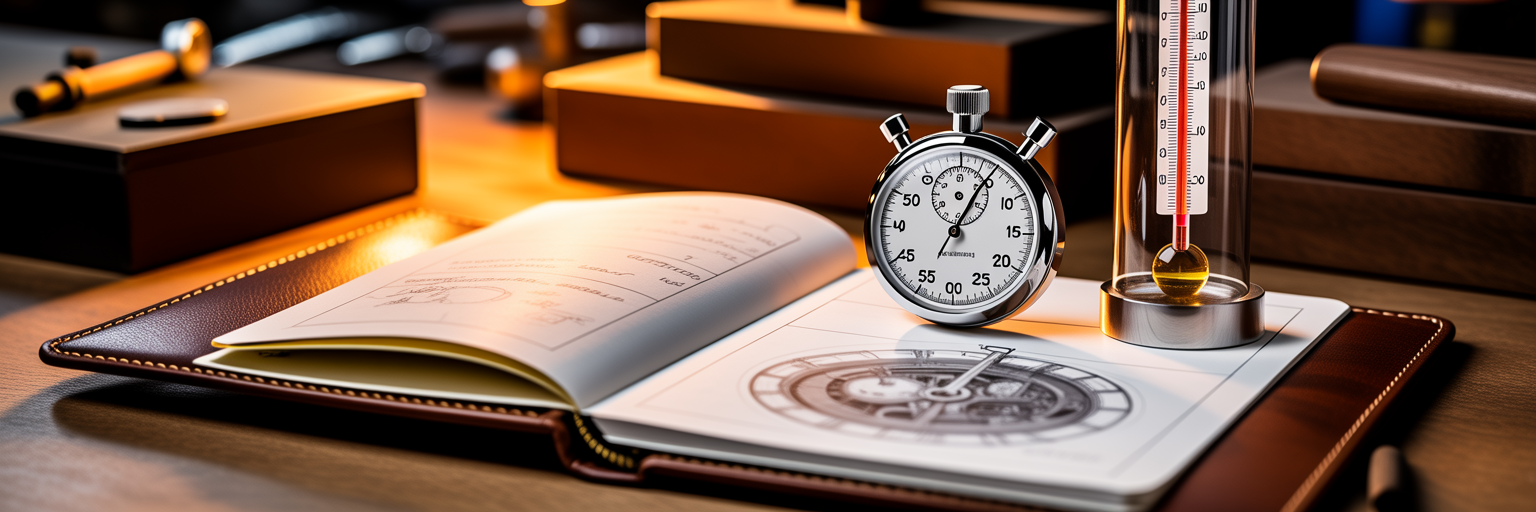
To get the most out of your cold plunge practice, consistency and adherence to a proven protocol are essential. The question of how to use a cold plunge effectively comes down to three variables: temperature, duration, and frequency. Scientific literature points to a specific range that balances therapeutic benefits with safety and tolerance.
The generally accepted protocol for optimal results is a water temperature between 50-59°F (10-15°C) for a duration of 10-15 minutes. This combination is potent enough to trigger the desired physiological responses without posing undue risk. For consistency, many find the Soberg principle helpful. This framework suggests aiming for a total of 11 minutes of cold exposure per week, broken into two to four sessions. This approach makes the practice manageable and sustainable over the long term.
If you are a beginner, jumping into a 10-minute session can feel daunting. Here is a simple, step-by-step approach to build your tolerance:
Start with a shorter duration. Begin with just one or two minutes in the water. The goal is simply to get in, control your breathing, and get out. You can build from there.
Focus on your breath. When you enter the water, your first instinct will be to hold your breath or hyperventilate. Consciously shift your focus to slow, controlled exhales. This signals to your nervous system that you are safe.
Gradually increase your time. With each session, try to add another 30 seconds. This progressive approach allows your body to adapt, making the experience more manageable and even enjoyable over time.
Maintaining the ideal temperature is crucial for these protocols, which is where modern technology helps. Many of our cold plunge tubs are designed to hold a precise temperature, removing the guesswork and hassle of constantly adding ice. A system like the Plunge All-In, for example, automates cooling and filtration, ensuring your water is always ready at the perfect temperature for your recovery.
The Right Way to Rewarm After Your Plunge
What you do after you get out of the cold plunge is just as important as the time you spend in it. The rewarming phase is not just about getting comfortable; it is a critical part of the process that unlocks additional metabolic benefits. Your first instinct might be to jump into a hot shower, but this is one of the biggest mistakes you can make.
The goal is to allow your body to rewarm itself naturally. This process forces your body to engage in thermogenesis, its internal heat-production mechanism. Shivering is the most obvious sign of this, but something more interesting is happening on a cellular level. Natural rewarming helps activate brown adipose tissue (BAT), also known as "brown fat." Unlike the white fat that stores energy, BAT is metabolically active and its primary function is to burn calories to generate heat. By letting your body rewarm on its own, you are essentially giving this brown fat a workout.
When you use an external heat source like a hot shower, you short-circuit this entire process. Your skin warms up quickly, and your brain receives the signal that the cold threat is over, so it shuts down the internal thermogenic response. You miss out on the metabolic boost that comes from activating BAT. For those seeking relaxation later, other tools like our infrared sauna blankets can be used once your body has returned to its normal temperature.
Here are a few simple steps for an effective post-plunge rewarming routine:
Dry off completely with a towel.
Put on warm, dry layers of clothing.
Move around gently. A slow walk or light stretching can help generate internal heat.
Sip a warm, not hot, beverage like herbal tea to warm yourself from the inside out.