The Connection Between Chronic Inflammation and Sleep Disruption
The hum of modern American life, with its processed diets and high-stress work environments, often contributes to a state of persistent, low-grade inflammation. This isn't the acute inflammation you see with a sprained ankle, which is a healthy, temporary healing response. Instead, chronic inflammation is a systemic, ongoing issue where the body’s immune system remains in a state of constant alert, quietly causing damage over time.
Several aspects of our daily routines can feed this inflammatory state. Think about your own habits. Do any of these feel familiar?
- Dietary Habits: A high intake of sugar, processed foods, and unhealthy fats can trigger inflammatory responses throughout the body.
- Chronic Stress: The constant activation of the body's stress response from work deadlines or personal pressures keeps inflammatory hormones elevated.
- Sedentary Behavior: Long hours spent sitting without regular physical activity can contribute to systemic inflammation.
- Environmental Factors: Daily exposure to pollutants and environmental toxins adds another layer of stress for the body to manage.
This underlying inflammation creates a significant problem when it comes to rest. The biochemical link is surprisingly direct. Inflammatory messengers known as cytokines can interfere with the brain's ability to produce sleep-regulating neurotransmitters like serotonin and melatonin. This disruption leads to a frustrating cycle: inflammation causes poor sleep, and a lack of quality sleep worsens inflammation. Breaking this loop requires an approach that can address both the physiological stress of inflammation and the neurological patterns that prevent deep, restorative rest.
The Science of Pulsed Electromagnetic Field Therapy
This is where a technology like pulsed electromagnetic field therapy comes into the picture. It is a non-invasive wellness technology that uses low-frequency energy fields to support the body's natural recovery processes. To understand how it works, think of your body's cells as tiny batteries. Over time, due to stress, injury, or illness, these cellular batteries can lose their charge, leading to poor function. PEMF therapy acts like a charger, helping to restore that energy.
The core mechanism is elegant. The gentle electromagnetic pulses induce a small, safe electrical charge within the cells. This process helps optimize the flow of ions like sodium and potassium across the cell membrane, which is critical for cellular health. An optimized cell membrane improves the cell's ability to produce energy (ATP), absorb essential nutrients, and effectively expel waste products. When your cells function better, your body functions better.
So, how do PEMF mats work in practice? These mats contain copper coils that generate specific, controlled frequencies. This design allows you to receive the therapy passively while simply lying down and relaxing. A common question is whether the electromagnetic fields are safe. It's important to differentiate the low-frequency, therapeutic fields used in PEMF from the high-frequency, potentially harmful EMFs emitted by devices like cell phones or microwaves. PEMF frequencies are often designed to mimic the Earth's own natural magnetic field, which is not only safe but beneficial for biological function. For a more detailed explanation of the fundamentals, you can explore our article that explains what is PEMF therapy.
Targeting Inflammation with Specific PEMF Frequencies

Building on the general mechanics of cellular charging, we can see how PEMF specifically helps manage inflammation. The therapy is not a blunt instrument. Instead, specific frequencies can be used to modulate the body's inflammatory response. Research suggests that certain PEMF frequencies encourage the reduction of pro-inflammatory cytokines, the very messengers that disrupt sleep and cause discomfort. At the same time, the therapy can promote the release of anti-inflammatory compounds, helping the body regain balance.
The frequency range is key. Studies often point to frequencies between 5–20 Hz as being particularly effective for addressing musculoskeletal inflammation and supporting tissue repair. This specificity shows that PEMF for inflammation is a targeted approach, not a one-size-fits-all solution. It helps the body manage inflammation more effectively at a cellular level, rather than just masking symptoms with medication.
It is important to maintain a balanced perspective. As noted by sources like the Cleveland Clinic, PEMF is well-supported for applications like bone healing. Its use for systemic inflammation is a promising field that continues to evolve. For the at-home user, this translates into a powerful supportive tool. Consistent use of a PEMF mat can help your body's ability to control inflammation, leading to tangible benefits like reduced soreness after a workout and greater overall physical comfort.
How PEMF Influences Brainwaves for Better Sleep
While managing inflammation is one part of the equation for better rest, PEMF therapy also has a direct influence on the brain. The principle at play is called "brainwave entrainment." Think about how your mood can shift when you listen to slow, calming music. Your brain's electrical patterns can naturally synchronize with external rhythmic stimuli. PEMF therapy for sleep leverages this same concept in a more targeted way.
By emitting very low frequencies, typically in the 0.5–8 Hz range, a PEMF mat can gently guide the brain toward desired states. These frequencies correspond to the Delta and Theta brainwave patterns, which are naturally dominant during deep relaxation and the most restorative stages of sleep. It’s like giving your brain a gentle nudge away from the racing thoughts of the day and toward a state of calm.
This process is deeply connected to the autonomic nervous system. Many of us spend our days in a sympathetic "fight-or-flight" state, characterized by high-alert Beta brainwaves. The low-frequency pulses from a PEMF mat help shift the body into the parasympathetic "rest-and-digest" state. This physiological downshift is essential for both falling asleep and staying asleep. The result is a powerful dual benefit: PEMF not only calms the mind through brainwave entrainment but also eases the physical tension and discomfort from inflammation that can keep you awake. For those interested in exploring these technologies, a good starting point is looking into the various PEMF therapy mats we offer.
Integrating a PEMF Mat into Your Wellness Routine
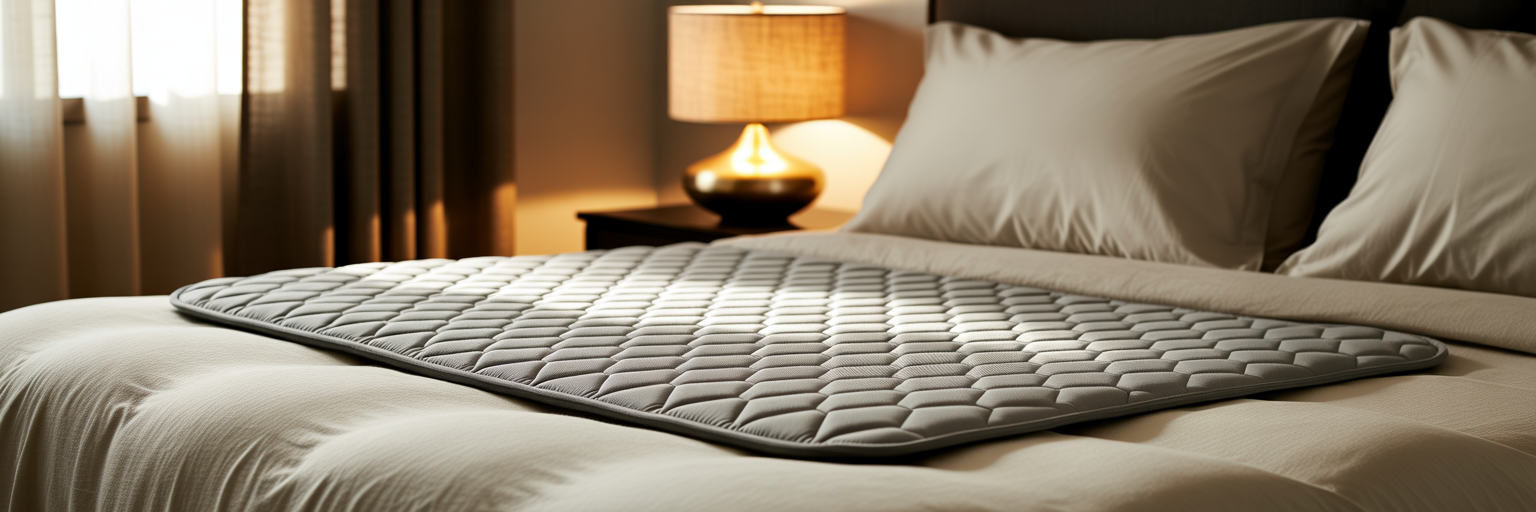
Adding a PEMF mat to your daily life is straightforward, but a thoughtful approach yields the best results. When selecting a mat, consider models that offer a range of frequencies. This versatility allows you to use it as one of your primary at home recovery tools, targeting inflammation with one setting and promoting sleep with another. To get started, follow a few best practices:
- Start Gradually: Your body needs time to acclimate. Begin with shorter sessions of 15–20 minutes to see how you respond before increasing the duration.
- Time Your Sessions: Use higher frequencies (e.g., 10-20 Hz) during the day or after a workout to address inflammation. Use lower frequencies (e.g., 1-8 Hz) for 30-60 minutes before bed to help your mind and body wind down.
- Stay Consistent: The cumulative benefits of PEMF therapy come from regular, daily use. Sporadic long sessions are less effective than consistent, shorter ones. Consistency is what trains your body to respond.
This sample guide can help you visualize a routine:
| Goal | Recommended Frequency | Optimal Time of Day | Session Duration |
|---|---|---|---|
| Post-Workout Recovery | 10–20 Hz | Within 2 hours of exercise | 20–30 minutes |
| General Inflammation Management | 5–15 Hz | Morning or Mid-day | 30–45 minutes |
| Pre-Sleep Relaxation | 1–8 Hz (Delta/Theta) | 30–60 minutes before bed | 30–60 minutes |
| Mental Focus & Energy | 8–12 Hz (Alpha) | Morning or before a task | 15–20 minutes |
This table provides general recommendations for using a multi-frequency PEMF mat. Users should always start with shorter durations and consult their device's manual, as individual responses and device specifications may vary.
You can enhance the effects by creating a full recovery ritual. Combine your evening PEMF session with meditation or deep breathing exercises to further activate the parasympathetic nervous system. A quality mat like one from our HealthyLine TAJ-Mat Series often includes features that complement this holistic approach.
Safety Guidelines and Realistic Expectations
To ensure a positive and safe experience, it is crucial to be aware of certain guidelines and to set realistic expectations. PEMF therapy is very safe for most people, but there are important contraindications.
- Absolute Contraindications: Individuals with implanted electronic devices such as pacemakers, defibrillators, or cochlear implants must NOT use PEMF therapy, as the magnetic fields can interfere with device function.
- Consult a Doctor: We advise pregnant women and those with active health conditions, such as cancer or epilepsy, to consult their physician before starting any new therapy, including PEMF.
It is also important to understand that PEMF is a supportive therapy, not an instant cure. The results are often gradual and depend on your individual condition, consistency of use, and overall lifestyle choices. While some people feel benefits quickly, for others it may take several weeks of consistent use to notice significant changes. PEMF therapy is most effective when it is integrated into a comprehensive wellness strategy that includes good nutrition, regular movement, and stress management. We encourage you to continue exploring recovery technologies on our main blog to find what works best for your unique journey.