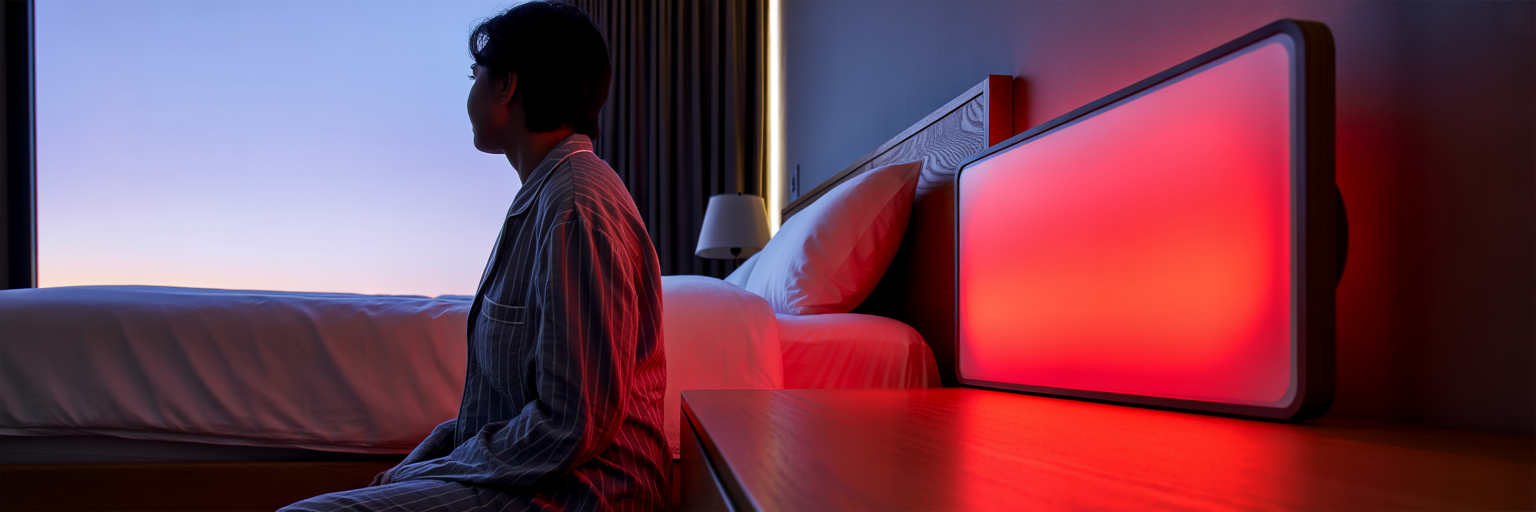
The Modern Dilemma of Light and Sleep Disruption
For most of human history, our sleep was governed by a simple, powerful rhythm: the rising and setting of the sun. Our bodies evolved to wind down as darkness fell and awaken with the morning light. Today, that natural cycle is in a constant battle with artificial illumination. We are surrounded by light long after sunset, from the lamps in our homes to the screens in our hands, and our biology is struggling to keep up.
This internal conflict centers on the circadian rhythm, your body’s 24-hour internal clock that regulates the sleep-wake cycle. This clock relies on environmental cues, especially light, to signal whether it's time to be alert or to prepare for rest. When your eyes perceive bright light in the evening, your brain receives a clear message: it’s still daytime. This is particularly problematic with the blue light emitted by smartphones, tablets, computers, and modern LED bulbs.
The biological mechanism is surprisingly direct. Specialized cells in our retinas contain a photopigment called melanopsin, which is highly sensitive to blue wavelengths of light. When activated, these cells send a signal to the brain that powerfully suppresses the production of melatonin, the key hormone that tells your body it's time to sleep. We’ve all felt this effect: that wired, alert feeling after scrolling on a phone in bed, making it difficult to fall asleep and degrading the quality of the rest we eventually get.
This constant disruption leaves many searching for a way to reclaim their natural sleep patterns. The challenge isn't to eliminate light entirely but to find a type of light that can exist in our evening routines without sabotaging our internal clock. We need a solution that works in harmony with our biology, helping us to improve melatonin production naturally instead of fighting against it.
How Red Light Works with Your Body's Sleep Cycle
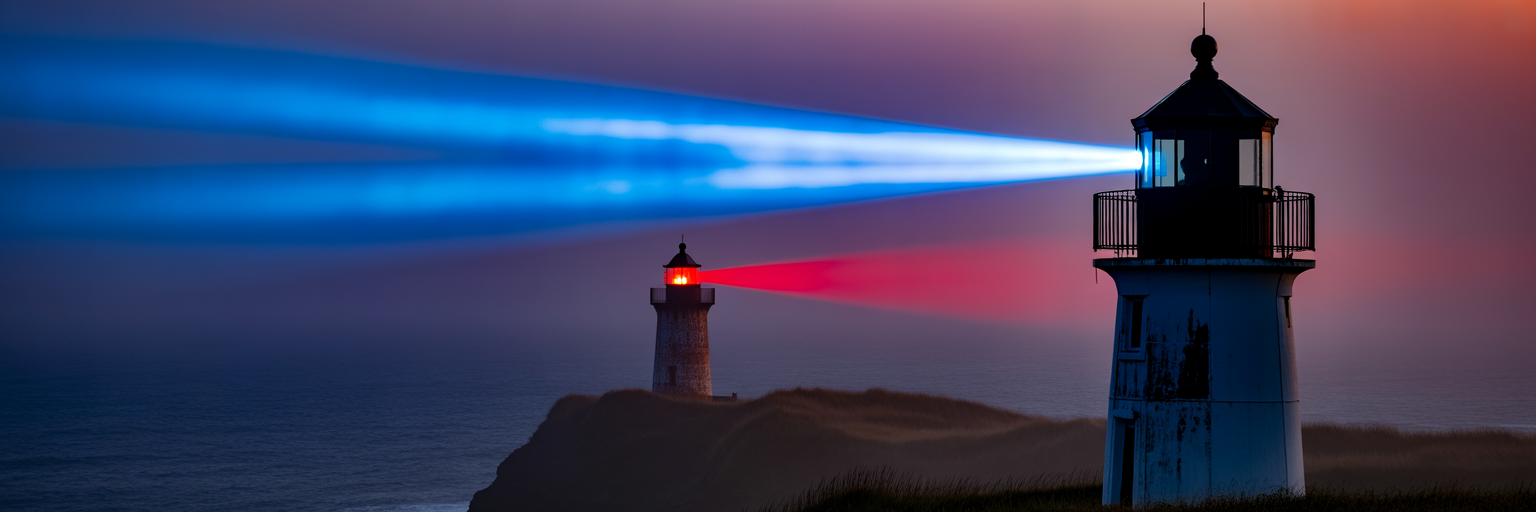
Building on the need for a sleep-friendly light source, red light therapy (RLT) emerges as a compelling solution. Unlike the disruptive blue light from our screens, RLT uses specific wavelengths of red and near-infrared light, typically between 630 to 670 nanometers. Its primary advantage for sleep is that it is essentially circadian-neutral. These longer wavelengths do not activate the sensitive melanopsin receptors in the eyes that halt melatonin production. This allows your body’s natural wind-down process to proceed without interruption.
An analogy helps clarify this difference. Blue light at night is like a sudden, jarring alarm telling your brain to wake up and be alert. In contrast, red light is like a gentle, non-disruptive hum in the background. It provides illumination without sending a hormonal "wake up" signal. As sleep health experts at the Sleep Foundation highlight, red wavelengths of light are far less likely to interfere with your internal clock. This makes red light therapy for sleep a powerful tool for modern life.
Beyond simply not disrupting sleep, one of the key benefits of red light therapy is its ability to support cellular health. The light penetrates the skin and can enhance mitochondrial function. Healthier mitochondria lead to reduced systemic inflammation and oxidative stress, two underlying factors that can interfere with deep, restorative sleep. This creates a pro-sleep environment through a two-pronged approach: it avoids hormonal disruption while actively improving the cellular conditions needed for quality rest. For a deeper look into these effects, you can explore some of the other applications we've detailed in our article on at-home red light therapy.
| Factor | Blue Light (from Screens/LEDs) | Red Light (from Therapy Panels) |
|---|---|---|
| Melatonin Production | Strongly suppresses | Minimal to no effect |
| Circadian Signal | Signals 'Daytime' / 'Be Alert' | Circadian-neutral / 'Non-disruptive' |
| Retinal Receptors | Activates melanopsin receptors | Bypasses melanopsin receptors |
| Nervous System Effect | Can be stimulating and increase alertness | Promotes a calm, relaxed state |
| Cellular Impact | No direct therapeutic benefit | Supports mitochondrial function |
This table summarizes the contrasting biological signals sent by blue and red light in the evening. The data is based on established research into circadian biology and photobiomodulation.
Best Practices for Your Nightly Red Light Routine
Understanding the science behind red light is one thing; applying it effectively is another. To get the most out of your sessions, it’s important to create a consistent and intentional routine. This section provides a practical guide on how to use red light therapy to support your sleep. Think of it not just as a treatment, but as a dedicated part of your wind-down ritual.
Follow these steps to build an effective nightly practice:
- Time Your Session Correctly. The ideal window for your red light session is in the 45 to 90 minutes leading up to your desired bedtime. This timing allows the calming effects to set in and helps signal to your body that the day is ending. Make it the final step before you get into bed.
- Start with Shorter Durations. If you are new to red light therapy, begin with 10-minute sessions. You can gradually increase the duration to 15 or 20 minutes as your body adapts. The goal is relaxation, not intense exposure. Position yourself at a comfortable distance from your red light panel for sleep to ensure the light feels soothing, not overly bright.
- Create a Powerful Sleep Ritual. Don't just sit in front of the light. Pair your session with other calming activities. Use the time to meditate, listen to ambient music, practice gentle stretching, or read a physical book. This combination transforms the session from a passive activity into a powerful, multi-sensory cue for sleep.
- Embrace Consistency. Like exercise or a healthy diet, the benefits of red light therapy are cumulative. Sporadic use may offer some relaxation, but nightly sessions are what truly help regulate your circadian rhythm over the long term. Make it a non-negotiable part of your evening routine to see lasting improvements in your sleep quality.
By integrating these practices, you can transform your device from a simple piece of equipment into a cornerstone of your nightly wellness. If you're considering which setup is right for you, you can explore the different types available in our collection of red light therapy panels.
Selecting a High-Quality Red Light Therapy Panel
Not all red light devices are created equal. When you’re investing in a tool to improve your sleep and well-being, it’s important to choose a high-quality device that is both safe and effective. The market is filled with options, but focusing on a few key technical specifications can help you find the best red light therapy device for your needs. Here’s what to look for.
Wavelength Specificity
The therapeutic benefits of red light are wavelength-dependent. For sleep, you want a device that emits light specifically within the red light spectrum, primarily between 630 nm and 670 nm. Some panels also include near-infrared (NIR) wavelengths (around 850 nm), which offer deeper tissue benefits but are also circadian-neutral. Be cautious of panels that mix in other colors, especially blue light, as this would defeat the purpose of using the device for sleep.
Flicker-Free Technology
Many low-quality LED devices produce an imperceptible flicker. While you may not consciously see it, this rapid pulsing can be stressful for the nervous system and may cause headaches or eye strain for sensitive individuals. A high-quality panel will be advertised as "flicker-free," ensuring the light output is constant and steady. This creates a more calming and genuinely relaxing experience, which is essential for a pre-sleep routine.
Safety and Regulatory Clearance
Look for devices that are registered with the FDA as a Class II medical device. This clearance indicates that the manufacturer has met certain safety and performance standards. While it’s not an endorsement of therapeutic claims, it provides a baseline level of assurance that the device is well-made and operates as specified. This is a critical checkpoint for any piece of equipment you use on your body regularly, like the high-quality Joovv Solo 3.0 we offer.
Appropriate Irradiance
Irradiance, or power density, measures how much light energy the device delivers to your body. While high irradiance is beneficial for treating deep tissue or muscle soreness, it isn't always better for sleep. A very powerful panel used too close might feel overly stimulating. The key is to choose a quality device with adjustable intensity settings or to use it from a greater distance (e.g., 18-24 inches) to create a low-intensity, ambient glow. This ensures the session is relaxing rather than energizing. For more details on what sets premium devices apart, see our comparison of leading brands.
Integrating Red Light into a Healthy Sleep Foundation
While red light therapy is a powerful tool, it's important to view it as an enhancement, not a replacement for foundational sleep hygiene. Its effectiveness is maximized when it becomes part of a comprehensive approach to wellness. Think of it as a catalyst that makes your other healthy habits work even better. It won't fix a poor sleep schedule or a diet high in caffeine, but it can significantly amplify the benefits of a well-structured routine.
To build a truly resilient sleep foundation, practice these principles alongside your nightly red light sessions:
- Maintain a consistent schedule: Go to bed and wake up around the same time every day, even on weekends.
- Create a cool, dark, and quiet bedroom: Your environment should signal safety and rest to your brain.
- Avoid caffeine and alcohol before bed: Both can disrupt the natural architecture of your sleep cycles.
- Get sunlight exposure in the morning: This helps anchor your circadian rhythm and makes the evening wind-down more effective.
One of the most effective strategies is to pair red light therapy with a "digital sunset." This involves putting away all blue-light-emitting screens at least 90 minutes before bed. Your red light session can serve as the final, calming step in this transition, sending a clear and unambiguous "time for sleep" signal to your brain. This combination of removing disruptive light and adding beneficial light creates a powerful synergy.
While many users report feeling more relaxed and falling asleep faster within the first few weeks, remember that this is not a magic bullet. The goal is to support your body's innate ability to rest and recover. By combining red light therapy with smart lifestyle choices, you create a robust strategy for achieving deep, restorative sleep night after night. To continue exploring wellness strategies, feel free to browse our blog for more insights on recovery and well-being.