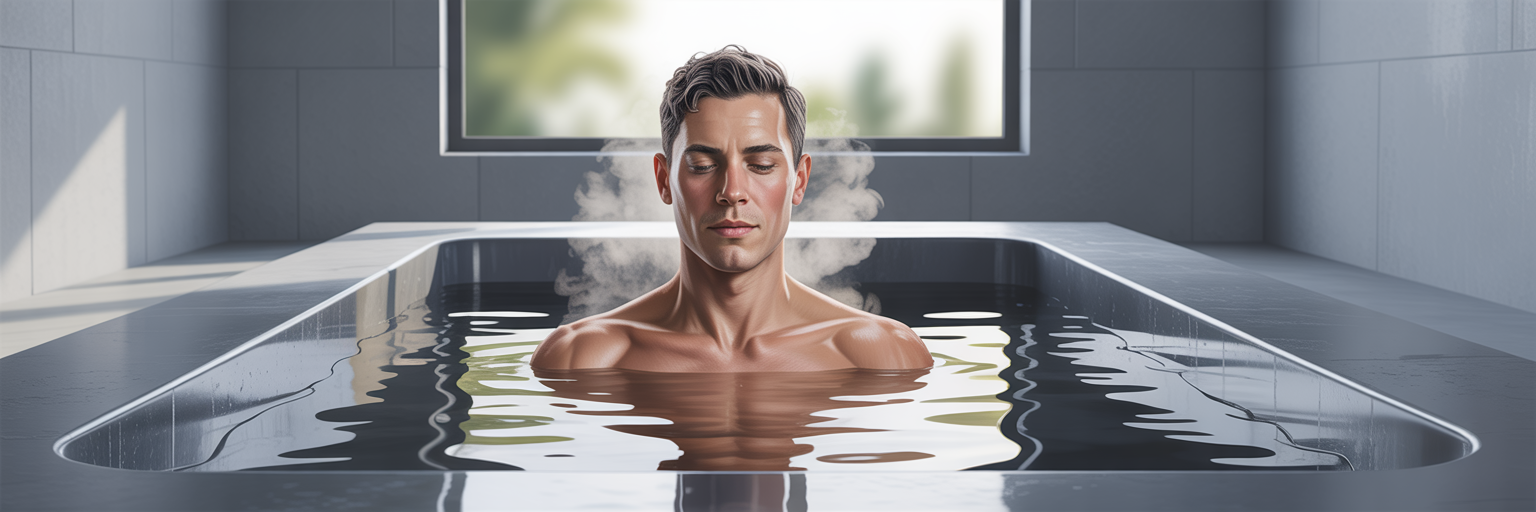
The Science Behind Post-Exercise Muscle Soreness
Anyone who has pushed their limits in a workout is familiar with the feeling. It’s that deep, satisfying ache that arrives a day or two later. This phenomenon, known as Delayed Onset Muscle Soreness (DOMS), is a completely normal physiological response to strenuous activity, especially exercises that involve lengthening muscles under tension, like running downhill or lowering a heavy weight. It is not an injury, but rather a sign that your muscles have been challenged.
At its core, DOMS is the result of microscopic tears in your muscle fibres. When you perform an unfamiliar or intense exercise, these tiny tears trigger the body’s natural repair process. This process involves inflammation, which is the body’s way of sending resources to heal the damaged tissue. While this inflammatory response is essential for muscle adaptation and growth, it is also the direct cause of the discomfort we associate with soreness. The swelling and release of certain substances sensitise nerve endings, leading to pain and stiffness.
When people look for a delayed onset muscle soreness treatment, they are essentially trying to manage this inflammatory response. The goal is not to eliminate inflammation entirely, as it is a necessary part of getting stronger, but to control it so that the discomfort doesn't interfere with daily life or subsequent training sessions. Understanding this dual nature of inflammation is key to approaching recovery intelligently.
The symptoms of DOMS follow a predictable pattern:
- Pain and Tenderness: The most noticeable symptom, which typically peaks between 24 and 72 hours after the workout.
- Stiffness and Reduced Range of Motion: Muscles feel tight, making movements that were easy before feel restricted.
- Swelling: The affected muscles may appear slightly swollen due to the inflammatory fluid buildup.
- Temporary Strength Loss: Your ability to produce force with the sore muscles is temporarily reduced as they heal.
Recognising these signs as part of a natural cycle is the first step. The next is understanding how to effectively manage them.
Physiological Mechanisms of Cold Therapy
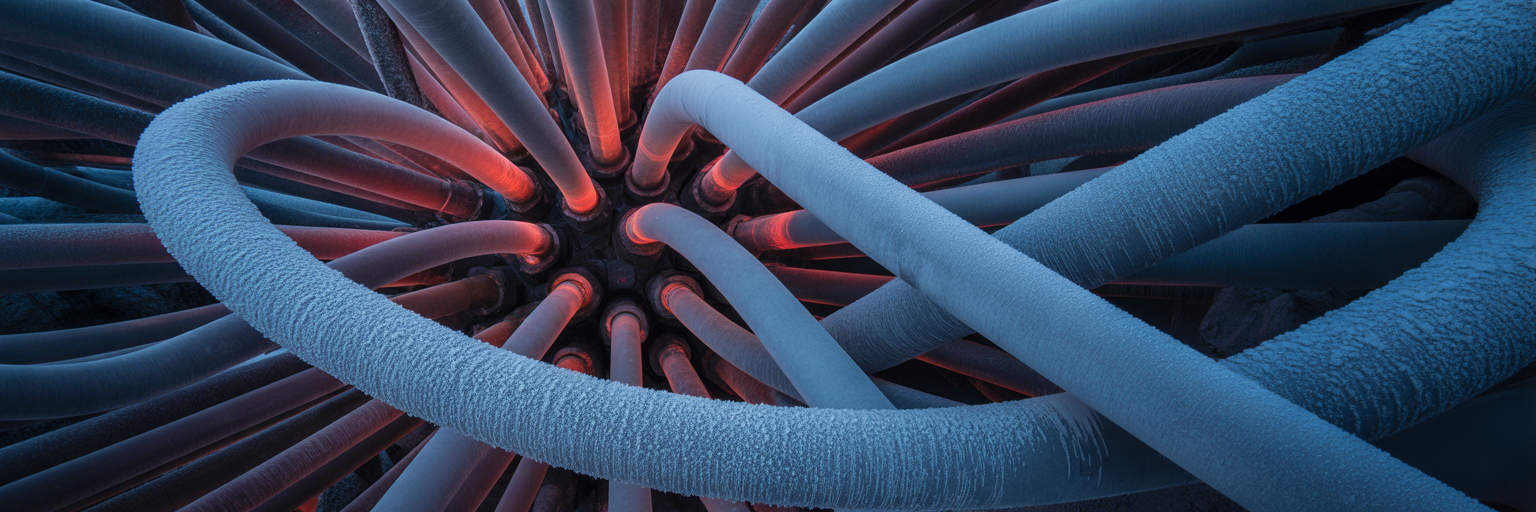
Having established that muscle soreness stems from micro-tears and the subsequent inflammatory response, we can now explore how cold therapy intervenes. The application of cold is not just about feeling better; it triggers specific physiological changes that directly address the root causes of discomfort. The effectiveness of cold therapy for muscle recovery is grounded in four distinct mechanisms.
First is vasoconstriction. When you expose your muscles to cold, the blood vessels in the area narrow. Think of it like tightening the valve on a hose; it reduces the flow. This constriction limits the amount of fluid that can rush to the site of the muscle tears, which in turn helps control the swelling and edema that cause pressure and pain. By managing this initial rush, you can mitigate the intensity of the inflammatory cascade.
Second, cold exposure lowers the tissue’s metabolic rate. After intense exercise, the damaged and swollen tissues have a high demand for oxygen. If the swelling is severe, it can compress blood vessels and restrict oxygen supply, leading to secondary damage in the surrounding healthy cells. By cooling the tissue, you reduce its metabolic needs, helping the cells survive this period of reduced oxygen availability and minimising collateral damage.
The third mechanism is the most immediately noticeable: the analgesic, or pain-relieving, effect. Cold temperatures slow down the speed at which nerves conduct signals. This effectively numbs the sore area, reducing the pain signals that are sent to your brain. It’s a direct and rapid way to find relief from the persistent ache of DOMS. This numbing effect allows for better movement and function while the underlying repair processes continue.
Finally, cold therapy helps modulate the inflammatory response. It doesn’t stop it, but it helps keep it in check. This allows the body to carry out its essential repair work without the excessive discomfort that can derail your routine. While cold is excellent for managing inflammation, understanding how it compares to other methods, such as heat, is also valuable. For instance, exploring how a cold plunge vs an infrared sauna blanket works can provide a clearer picture of different recovery tools.
Practical Guidelines for Effective Cold Water Immersion
Understanding the science is one thing, but applying it correctly is what delivers results. For cold water immersion (CWI) to be effective, precision matters. Simply taking a chilly dip is not enough; the temperature, duration, and timing all play critical roles in achieving the desired physiological response and reaping the cold water immersion benefits.
The optimal temperature range is a key factor. For effective results, the water should be below 15°C (59°F). Temperatures warmer than this may not be sufficient to induce the necessary vasoconstriction and analgesic effects. As noted by sources like the American Academy of Family Physicians, clinical guidelines often point to this temperature threshold for CWI to be effective in reducing soreness. Beginners should start at the higher end of this range and gradually decrease the temperature as they acclimate.
Next is duration. The sweet spot for a cold plunge is between 10 and 15 minutes. Staying in for less than 10 minutes may not provide enough time for the cold to penetrate deep into the muscle tissue. Conversely, exceeding 15 minutes offers diminishing returns and can increase the risk of adverse effects like hypothermia. The goal is a therapeutic dose, not an endurance test.
Timing is also crucial. CWI is most effective when performed immediately or within a few hours after your workout. This allows you to intervene early in the inflammatory process, before it fully sets in. Using an ice bath for recovery shortly after training helps blunt the initial inflammatory cascade, significantly reducing the severity of DOMS you’ll feel 24 to 48 hours later. Fortunately, at-home setups have made this easier than ever. Options range from adding ice to your bathtub to using advanced, temperature-controlled systems. For those serious about consistency, there are many high-quality cold plunge tubs available for home use that maintain the perfect temperature automatically, removing the guesswork and hassle.
Potential Downsides and When to Be Cautious

While cold therapy is a powerful tool for managing soreness, it is not a universal solution for every situation. A balanced perspective requires acknowledging its limitations and potential downsides. The most significant consideration revolves around long-term training goals, specifically muscle growth or hypertrophy. The very mechanism that makes cold therapy effective for soreness, its anti-inflammatory effect, can also interfere with adaptation.
The inflammatory response, despite causing discomfort, is a critical signal for muscle repair and growth. It triggers the release of hormones and other factors that tell your body to rebuild the muscle fibres stronger than before. By aggressively blunting this response with cold therapy after every workout, you may also be blunting the signals for adaptation. As research published in journals like Sports Medicine explores, suppressing inflammation can interfere with the molecular signalling required for muscle protein synthesis after resistance training.
This creates a clear distinction for its use. If your goal is acute recovery, such as reducing soreness to perform again quickly in a tournament or multi-day event, cold therapy is an excellent choice. However, if your primary goal is long-term adaptation, like building maximum strength and muscle mass in the off-season, you might want to use it more sparingly. After a key strength-building workout, allowing the natural inflammatory process to run its course may be more beneficial for hypertrophy.
Furthermore, it is important to avoid cold therapy for acute, severe injuries like muscle tears or sprains unless directed by a medical professional. While it can numb the pain, the intense vasoconstriction can impair the body's natural and immediate healing processes required for such injuries. Cold therapy is a tool, and its application must be tailored to your specific goals, training phase, and how your body feels.
Comparing Cold Therapy with Other Recovery Modalities
Cold water immersion is just one of several post-exercise recovery methods available. To make an informed choice, it helps to see how it stacks up against other popular options like Whole-Body Cryotherapy (WBC) and Contrast Water Therapy (CWT). Each modality operates on slightly different principles and may be better suited for different outcomes.
Whole-Body Cryotherapy (WBC) involves exposing the body to extremely cold, dry air (below -100°C) for 2–4 minutes in a specialized chamber. Its primary benefit is a strong systemic anti-inflammatory response, and some studies suggest it is particularly effective for improving neuromuscular recovery. However, its major drawback is accessibility, as it requires a visit to a specialized facility.
Contrast Water Therapy (CWT) involves alternating between hot and cold water immersion. This creates a "pumping" action as the blood vessels alternate between vasoconstriction and vasodilation, which is thought to be effective for flushing out metabolic byproducts and reducing swelling. It is moderately accessible at home if you have both a bath and a shower. While CWI is excellent for inflammation, it's worth noting that other technologies offer different benefits. For instance, you can learn more about how red light therapy at home works to support cellular energy and repair.
For most individuals seeking a reliable and accessible at-home solution, CWI remains a practical and well-researched choice. It strikes a balance between effectiveness, cost, and convenience that is hard to beat. The following table summarises these key differences.
Comparison of Popular Recovery Modalities
| Modality | Primary Mechanism | Best For | At-Home Accessibility |
|---|---|---|---|
| Cold Water Immersion (CWI) | Vasoconstriction, reduced inflammation & nerve activity | Reducing DOMS and perceived soreness | High (from DIY baths to dedicated tubs) |
| Whole-Body Cryotherapy (WBC) | Extreme cold air exposure, strong systemic anti-inflammatory response | Neuromuscular recovery and acute pain relief | Low (requires specialized facility) |
| Contrast Water Therapy (CWT) | Alternating vasoconstriction and vasodilation ('pumping' action) | Reducing swelling and clearing metabolic byproducts | Moderate (requires access to hot and cold water) |
| Infrared Sauna | Vasodilation, increased blood flow, heat shock proteins | Relaxation, circulation, and chronic pain | High (blankets and home saunas are common) |
Building Your Personalized Recovery Protocol
Ultimately, recovery is not a one-size-fits-all prescription. The most effective approach is one that is personalized to your body, your workouts, and your goals. Armed with the information from this article, you can move beyond simply following trends and start making strategic decisions. Building your own protocol starts with asking the right questions.
Before you reach for the ice, consider these factors:
- What is my primary training goal? Am I trying to perform at my best tomorrow, or am I focused on long-term muscle growth? As we've discussed, the answer heavily influences whether blunting inflammation is a good idea.
- What was the type and intensity of my workout? A light cardio session likely doesn't warrant a cold plunge, whereas a gruelling leg day or a new high-intensity workout might.
- How does my body feel? This is the most important question. Learning to listen to your body’s signals is the ultimate guide. Some days you may feel you need the acute relief of cold, while on others, a gentle walk or stretching might be better.
Here is a simple framework for how to reduce muscle soreness strategically:
- If you are training again in less than 24 hours (e.g., during a competition or intense training block), use CWI to speed up recovery and reduce soreness for the next session.
- If this was a maximum-effort strength day for long-term gains, consider skipping the ice bath. Opt for active recovery like a light walk or gentle stretching to promote blood flow without interfering with adaptation signals.
- If soreness is impacting your sleep or daily function, a cold plunge can provide the relief needed to feel and perform better in all aspects of life.
By thinking through these points, you transform cold therapy from a reactive habit into a proactive tool. To continue learning and refining your approach, you can explore more insights on our dedicated recovery blog.