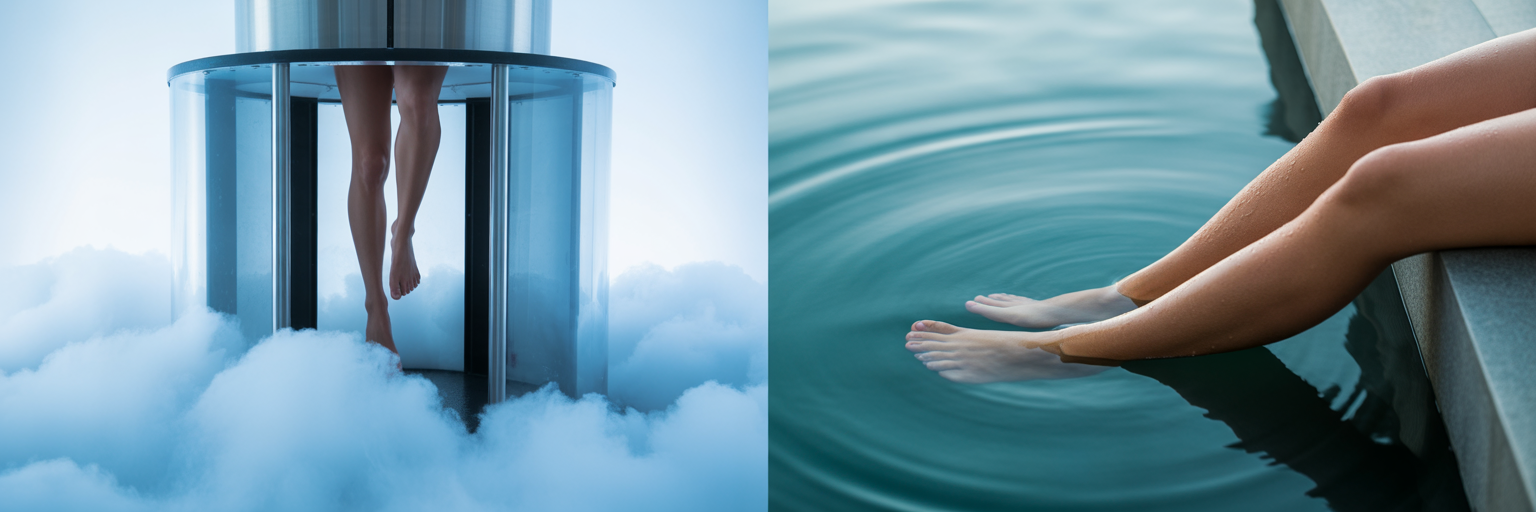
The Modern Quest for Cold-Induced Recovery
Cold therapy has shed its reputation as a practice reserved for elite athletes icing their injuries in locker rooms. It has firmly entered the mainstream, becoming a cornerstone for biohackers, executives, and wellness enthusiasts seeking an edge in physical and mental performance. The deliberate exposure to cold is no longer just about managing pain. It is now seen as a powerful tool for optimising the body’s internal systems.
At the forefront of this movement are two distinct methods: cold plunge therapy and whole-body cryotherapy. A cold plunge involves immersing the body in cold water for a sustained period, a practice with roots stretching back centuries. In contrast, whole-body cryotherapy is a modern invention, exposing the body to hyper-cooled dry air for just a few minutes. Though both use cold, their mechanisms and the physiological responses they trigger are fundamentally different.
This distinction is where the confusion often begins. The cold plunge vs cryotherapy debate can be difficult to navigate without a clear understanding of how each modality works. This article aims to provide an evidence-based comparison, breaking down the science, benefits, and practical considerations of each. Our goal is to equip you with the knowledge to decide which method aligns best with your recovery goals, lifestyle, and personal resources.
Understanding Cold Plunge Therapy
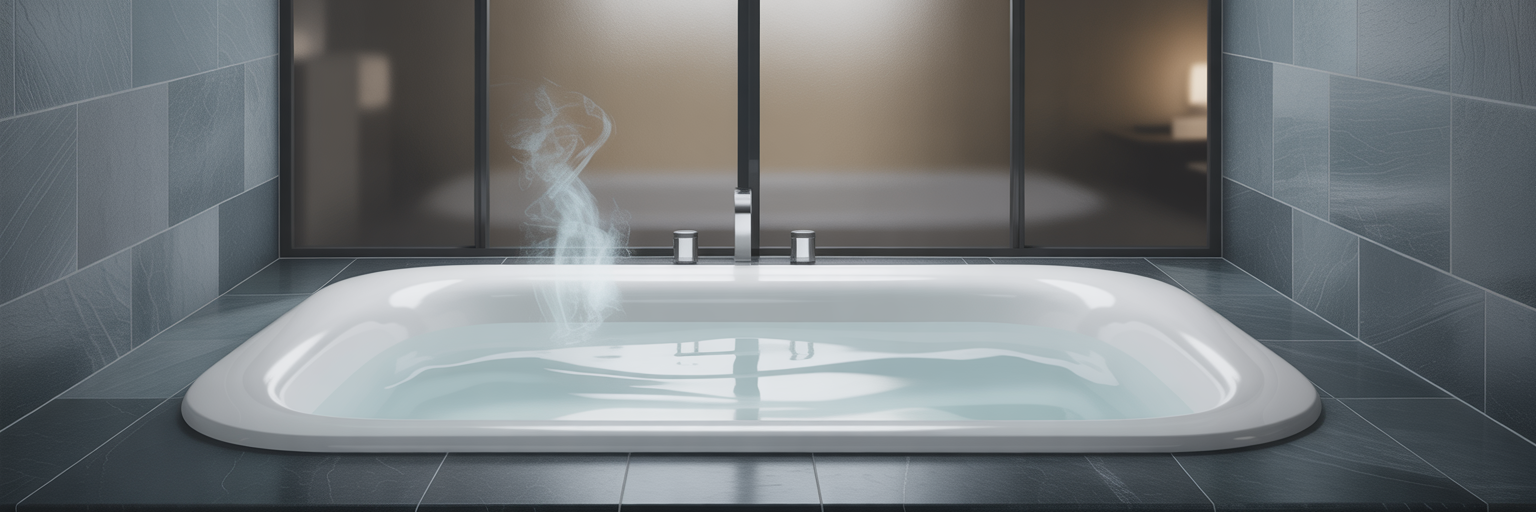
Before comparing it to other methods, it is essential to grasp what makes cold plunge therapy a uniquely effective recovery tool. Its power lies in the direct and sustained interaction between the body and cold water, a medium that influences physiology in ways that cold air cannot.
The Mechanics of Water Immersion
The protocol for a cold plunge is straightforward: full-body immersion in water typically held between 4°C and 15°C (39°F to 60°F). Unlike the brief shock of other cold therapies, the duration here is key, usually lasting between 10 and 15 minutes. This sustained exposure is not arbitrary. It is the necessary timeframe to move beyond a surface-level shock and initiate deeper physiological changes within the muscle tissue and nervous system.
The Power of Hydrostatic Pressure
One of the most significant and often overlooked benefits of water immersion is hydrostatic pressure. The water exerts a gentle, uniform compression on the entire submerged body. This physical pressure acts like a full-body compression garment, assisting the lymphatic and circulatory systems. It helps flush metabolic byproducts, such as lactate, from the muscles and reduces the pooling of fluid that causes swelling. This mechanical assistance is a feature entirely absent in air-based cryotherapy and contributes significantly to reduced soreness and faster recovery.
Deep Tissue Cooling for Lasting Relief
The physics of heat transfer are central to understanding why cold water immersion for recovery is so effective. Water has a thermal conductivity approximately 25 times greater than air. In practical terms, this means water pulls heat away from the body far more efficiently and deeply. This process leads to a more substantial and sustained reduction in the temperature of muscle and joint tissues. Such deep cooling is critical for mitigating the inflammatory response that follows intense exercise and for managing the micro-trauma that leads to muscle damage. The growing accessibility of these systems means that the benefits are no longer limited to elite training facilities, with a variety of at-home cold plunge tubs now available. This proven ability to reduce Delayed Onset Muscle Soreness (DOMS) is paired with a powerful parasympathetic nervous system response, which calms the body and builds long-term stress resilience.
Decoding Whole-Body Cryotherapy
While a cold plunge relies on sustained immersion, whole-body cryotherapy (WBC) operates on a completely different principle. It uses an extreme, brief exposure to trigger a powerful systemic reaction, focusing more on neurological stimulation than deep tissue cooling.
The Cryotherapy Chamber Experience
The process is a modern technological feat. A person stands in a specialised chamber, often called a "cryosauna," for just two to three minutes. During this time, the chamber is filled with nitrogen-cooled dry air, bringing temperatures down to an extreme range of –130°C to –185°C (–200°F to –300°F). In most common systems, the user's head remains outside the chamber, breathing ambient air. The experience is intense, but its brevity makes it manageable for most people.
The Science of Surface-Level Stimulation
The primary mechanism of WBC is fundamentally different from a cold plunge. The intense, dry cold does not penetrate deep into the muscle tissue. Instead, it aggressively stimulates the cold receptors on the skin's surface. This stimulation sends a powerful alarm signal to the brain, initiating a strong central nervous system response that resembles a "fight-or-flight" state. The body constricts blood vessels in the periphery (vasoconstriction) to protect its core temperature, but the core body temperature itself does not drop significantly. The magic of cryotherapy is this skin-level, neurological trigger.
Key Outcomes: Speed and Alertness
The primary whole body cryotherapy benefits stem from this neurological response. The brain releases a significant surge of norepinephrine, a hormone and neurotransmitter that can produce an immediate mood lift, heightened alertness, and a reduction in the perception of pain. This makes it a popular choice for a pre-competition boost or a quick mental reset. The systemic response also has an anti-inflammatory effect throughout the body. Perhaps its greatest advantage is its efficiency. The session is over in minutes, and because the cold is dry, there is no need to shower or dry off afterwards, offering unmatched convenience.
The Head-to-Head Recovery Showdown

With a clear understanding of how each modality works, we can now directly compare them across the most important recovery metrics. The choice between them often comes down to the specific outcome you are trying to achieve. Just as one might compare different tools in a recovery toolkit, such as those discussed in our analysis of cold plunges versus infrared sauna blankets, the decision between a plunge and cryotherapy depends on your primary goal.
Muscle Soreness (DOMS)
Both methods can help with Delayed Onset Muscle Soreness, but their effectiveness differs. When it comes to cryotherapy for muscle soreness, the relief is often rapid but can be shorter-lived. The deep, sustained cooling from a cold plunge, however, provides more significant and longer-lasting relief. A comprehensive 2017 systematic review and meta-analysis published in PLOS ONE concluded that cold water immersion was particularly effective in minimizing the effects of delayed onset muscle soreness post-exercise, with benefits often felt for 48 to 72 hours.
Inflammation Control
Here, the mechanisms diverge significantly. Cryotherapy induces a rapid, systemic anti-inflammatory response mediated by the nervous system. It is a top-down approach. A cold plunge provides a more direct, bottom-up solution. The combination of deep cooling and hydrostatic pressure works to reduce inflammation and swelling directly within the affected muscle tissue. For localized inflammation in specific muscle groups after a hard workout, the cold plunge is arguably the best recovery method for inflammation.
Mental State and Resilience
The neurological effects are also distinct. Cryotherapy delivers a sharp, transient surge of norepinephrine, resulting in a quick mood boost and a feeling of alertness. It is an excellent tool for an immediate mental lift. A cold plunge, on the other hand, fosters a more profound and sustained shift toward a parasympathetic state. This "rest-and-digest" response is more effective for building long-term stress resilience and regulating the autonomic nervous system over time.
Time and Convenience
In the battle of the clock, cryotherapy is the undisputed winner. A session is completed in under three minutes, making it easy to fit into a busy schedule. A cold plunge is a more deliberate ritual, requiring a 10 to 15 minute commitment plus time to dry off. This positions cryotherapy as a quick fix and the cold plunge as a more intentional recovery practice.
| Factor | Cold Plunge Therapy | Whole-Body Cryotherapy |
|---|---|---|
| Mechanism | Deep tissue cooling via water conduction and hydrostatic pressure | Superficial skin receptor stimulation via hyper-cooled air |
| Duration | 10–15 minutes | 2–3 minutes |
| Primary Benefit for DOMS | Significant, long-lasting relief (48-72 hours) | Moderate, shorter-term relief |
| Neurological Effect | Sustained parasympathetic shift (calming, resilience-building) | Rapid norepinephrine spike (alertness, mood boost) |
| Convenience | Requires more time; can be done at home | Extremely fast; requires travel to a clinic |
This table summarizes the core differences in mechanism, application, and outcomes. The choice depends on whether the user prioritizes deep physiological adaptation or time-efficient systemic response.
Practical Considerations for Your Lifestyle
Beyond the science, the right choice depends heavily on practical factors like accessibility, cost, and personal preference. How a recovery tool fits into your daily life is just as important as its physiological effects.
- Accessibility and Location: Whole-body cryotherapy is exclusively a clinic-based treatment. This requires finding a nearby facility, scheduling appointments, and travelling for each session. In contrast, the rise of at home cold plunge tubs has made cold water immersion incredibly convenient. Having a unit at home removes all logistical barriers, allowing you to integrate recovery seamlessly into your daily routine.
- Cost-Benefit Analysis: Cryotherapy typically operates on a pay-per-session or membership model. While a single session may seem affordable, the costs accumulate quickly into a significant recurring expense for anyone seeking consistent benefits. An investment in a high-quality system like our Plunge All-In Cold Plunge System represents a one-time capital outlay that provides unlimited, on-demand access. For regular users, this delivers far superior long-term value.
- Subjective Experience: Personal preference cannot be overstated. The sensation of each modality is vastly different. Some individuals may prefer the intense, dry, and brief shock of cryotherapy. Others will find the immersive, grounding, and meditative experience of a cold plunge more rewarding, both mentally and physically. The best protocol is the one you will actually stick with. Making the right choice involves understanding all facets of recovery, a topic explored in depth on our wellness blog.
Integrating Cold Therapy into Your Wellness Routine
Ultimately, the "better" option in the cold plunge vs cryotherapy debate is the one that aligns with your specific goals. There is no single right answer, only the right answer for you. Let’s synthesize the information into a clear decision-making framework.
For the time-constrained athlete or professional seeking a rapid turnaround between training sessions and a quick mental boost before a big event, the efficiency of cryotherapy can be a valuable tool. Its speed and convenience are unmatched.
However, for the wellness-focused individual prioritizing deep physiological recovery, comprehensive DOMS management, and building long-term stress resilience, the evidence and mechanisms strongly favour the cold plunge. Its combination of deep cooling and hydrostatic pressure offers more profound and lasting benefits.
The most critical factor for success with any recovery protocol is consistency. A state-of-the-art modality is useless if it is not used regularly. The convenience and accessibility of an at-home solution often make it the most sustainable, and therefore most effective, choice for achieving long-term health and performance goals. If you're ready to explore how these technologies can fit into your life, our introductory guide is the perfect place to start.