
Understanding Chronic Pain and Its Daily Impact
Chronic pain affects an estimated one in five adults globally, yet its impact extends far beyond a physical sensation. Unlike acute pain, which is the body’s normal alarm system signaling an injury, chronic pain is like a smoke alarm that keeps blaring long after the fire is out. It’s a persistent, malfunctioning signal in the nervous system that can last for months or even years, creating a constant presence in daily life.
Living with this condition often brings a heavy emotional and psychological weight. It’s completely understandable to feel a deep sense of frustration when simple tasks become monumental challenges. The isolation that comes from canceling plans or feeling misunderstood by others can be just as debilitating as the pain itself. This experience is not just physical; it shapes your mood, your relationships, and your sense of self. The complex nature of chronic conditions is further highlighted by research, such as studies on health complications in medical professionals reported by Like A Boss, which reinforce the need for comprehensive management strategies.
The path forward in chronic pain management at home is not about finding a single, magical cure. Instead, it’s about building a personalized toolkit of strategies. This approach empowers you to combine different methods that work in synergy to reduce pain, improve function, and reclaim your quality of life. It’s a proactive journey of discovering what works for your body.
Core Self-Management for Daily Comfort
Before exploring advanced therapies, establishing a foundation of consistent daily habits is essential for creating stability. These core practices are not about dramatic changes but about small, sustainable adjustments that can significantly influence your pain levels and overall well-being. They provide the baseline upon which other treatments can build.
The Principle of Activity Pacing
Many people with chronic pain fall into a "boom-bust" cycle. On a good day, you might push yourself to catch up on chores, only to pay for it with days of increased pain and fatigue. Activity pacing breaks this cycle by teaching you to balance activity with rest. Instead of trying to clean the entire house in one go, you might clean for 15 minutes and then rest for 10. This approach helps you get things done without triggering a flare-up, allowing for more consistent energy levels day to day.
Simple Stress Reduction Techniques
Stress and pain are closely linked; when you feel stressed, your muscles tense and your perception of pain can intensify. Simple breathing exercises can directly calm your nervous system. One effective method is "box breathing." Inhale slowly for a count of four, hold your breath for four, exhale completely for four, and then hold the empty breath for four. Repeating this cycle for just a few minutes can lower your heart rate and reduce the fight-or-flight response that amplifies pain.
Optimizing Sleep for Pain Reduction
Sleep is when your body performs its most critical repair work, yet pain can make quality sleep feel impossible. This creates a difficult cycle, as poor sleep is known to increase pain sensitivity the next day. Prioritizing sleep hygiene is a non-negotiable part of managing chronic pain. Creating a stable routine is a cornerstone of wellness, and you can explore more foundational topics on our blog.
- Establish a consistent sleep-wake schedule, even on weekends.
- Create a relaxing pre-sleep ritual, such as reading a book or taking a warm bath.
- Ensure your bedroom is dark, quiet, and cool.
- Avoid caffeine, large meals, and electronic screens for at least an hour before bed.
- Consider using blackout curtains or a white noise machine to minimize disruptions.
Integrating Gentle Movement and Physical Therapy
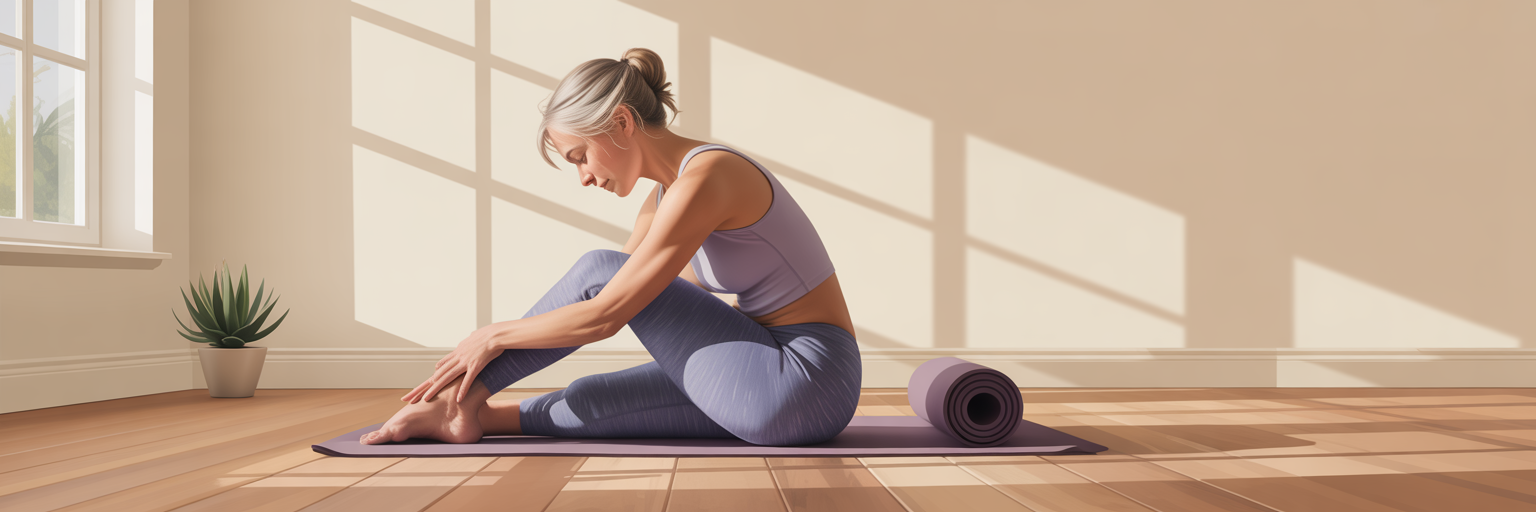
When you live with chronic pain, the idea of exercise can be intimidating. The fear that movement will make things worse is a common and valid concern. However, it’s important to understand the difference between "hurt" and "harm." Mild discomfort during gentle, controlled movement does not necessarily mean you are causing damage. In fact, avoiding movement altogether can lead to muscle weakness and increased stiffness, which often worsens pain over time.
The key is to reintroduce movement gradually with low-impact activities. Swimming or water aerobics, for example, supports your body weight, reducing stress on joints while improving circulation. Gentle yoga can increase flexibility and strengthen supporting muscles, while the slow, flowing movements of tai chi can release endorphins, the body’s natural pain relievers. As a patient guide from the U.S. Department of Veterans Affairs highlights, structured exercise programs are a cornerstone of effective chronic pain care.
This is where a physical therapist can be an invaluable guide. They can assess your specific condition and create a safe, personalized exercise program. A therapist will teach you which movements are beneficial and how to perform them correctly, helping you build confidence. The goal is not to push through intense pain but to slowly expand your capacity for movement. This gradual progression is a fundamental part of a successful at-home recovery for chronic pain, helping you regain function and control.
Harnessing Technology for Passive Pain Relief
In addition to active self-management, technology offers powerful ways to support your body’s healing processes. Passive recovery for pain relief involves using specialized tools that work on your body without requiring active physical effort from you. These technologies can be integrated into your daily routine, providing comfort and therapeutic benefits while you rest.
Thermal Therapies: Heat and Cold
Heat and cold are two of the oldest forms of pain relief, and modern technology has refined their application. Heat therapy, especially from an infrared sauna for pain management, uses far-infrared wavelengths to penetrate deep into muscle tissue. This increases blood flow, soothes stiffness, and promotes relaxation. It’s ideal for chronic muscle soreness. Conversely, cold therapy from a cold plunge constricts blood vessels, which is highly effective for reducing acute inflammation and numbing painful areas. Exploring options like the ones in our infrared sauna blanket collection can be a great starting point.
Pulsed Electromagnetic Field (PEMF) Therapy
PEMF therapy for chronic pain is a more advanced approach that works at the cellular level. PEMF mats emit low-frequency electromagnetic fields that are designed to stimulate and recharge your cells. The theory is that this process enhances the body's natural repair mechanisms, improves circulation, and reduces inflammation from within. Many users report relief from deep-seated pain that other therapies cannot reach. If you're curious about the science, we've detailed what PEMF therapy is and how it functions on our blog.
Red Light Therapy (RLT)
Red Light Therapy uses specific wavelengths of red and near-infrared light that penetrate the skin. This light is absorbed by mitochondria, the powerhouses of your cells, potentially boosting their energy production. Enhanced cellular energy can, in turn, support tissue repair and reduce inflammation. RLT is often used for localized joint pain and surface-level tissue issues. Learning about using red light therapy at home can help you understand how to apply it for targeted relief.
| Technology | Primary Mechanism | Best For | Sensation |
|---|---|---|---|
| Infrared Sauna Blanket | Uses far-infrared heat to penetrate tissues, increasing circulation and promoting relaxation. | Chronic muscle stiffness, soreness, and promoting overall relaxation. | A deep, gentle, and pervasive warmth. |
| Cold Plunge | Uses cold water immersion to constrict blood vessels, reducing inflammation and numbing nerve endings. | Acute inflammation after exertion, reducing swelling, and boosting alertness. | Intense cold followed by a feeling of numbness and invigoration. |
| PEMF Mat | Emits low-frequency electromagnetic fields to potentially enhance cellular function and repair. | Deep-seated chronic pain, poor circulation, and supporting bone and tissue health. | Often imperceptible; some users report a subtle tingling or warmth. |
| Red Light Therapy Panel | Delivers specific wavelengths of red and near-infrared light to stimulate mitochondrial energy production. | Localized joint pain, skin health, and surface-level tissue repair. | A gentle, pleasant warmth on the skin's surface. |
Note: This table provides a general comparison of at-home passive recovery technologies. Individual results can vary, and it is important to choose a therapy that aligns with specific symptoms and wellness goals.
Strengthening the Mind-Body Connection for Pain Control
While stress reduction techniques help calm the body, strengthening the mind-body connection goes a step further by addressing how the brain interprets pain. Your brain is not just a passive receiver of pain signals; it actively processes and can even amplify or dampen them based on your thoughts and emotions. This means you have the ability to influence your pain experience by changing your mindset.
Principles from Cognitive-Behavioral Therapy (CBT) offer a powerful framework for this. CBT helps you identify and reframe automatic negative thought patterns. For example, the thought, "This pain is unbearable and will never end," is a form of catastrophizing that can heighten your physical suffering. Through practice, you can learn to shift that thought to a more balanced one, like, "This is a difficult flare-up, but I have tools to manage it, and it will pass." This reframing reduces the emotional charge of pain, making it more manageable.
A practical exercise to build this skill is a body scan meditation. This practice trains your brain to observe physical sensations with curiosity rather than judgment.
- Find a comfortable position, either lying down or sitting.
- Close your eyes and bring your attention to your breath for a few moments.
- Starting with your toes, bring a gentle, curious awareness to the sensations in that part of your body without judging them.
- Slowly move your attention up through your feet, ankles, legs, and the rest of your body, simply noticing what you feel.
- If your mind wanders, gently guide it back to the part of the body you are focusing on.
By regularly practicing this, you teach your brain to detach from the immediate emotional reaction to pain, which can significantly reduce your overall level of suffering.
Complementary Therapies and Medical Support
The at-home strategies discussed are powerful, but they are most effective when integrated into a broader, medically supervised plan. It is essential to maintain an open and collaborative relationship with your doctor to ensure your approach is both safe and comprehensive. Your healthcare provider can help you navigate various medical options and determine how they fit with your self-management efforts.
This includes discussing non-opioid pain relief strategies. Depending on your condition, your doctor might prescribe medications like nonsteroidal anti-inflammatory drugs (NSAIDs) or specific medications designed for nerve pain. As a guide from Utah's Opioid Task Force details, there are numerous non-opioid treatments available that underscore a shift toward safer care. These options must always be used under professional guidance.
Additionally, complementary therapies can play a valuable role. Acupuncture, for instance, is based on the principle of stimulating specific points on the body, which is thought to trigger the release of endorphins and affect nerve signals. The key is to view all these treatments as components of an integrated plan, not standalone fixes. By communicating with your doctor about what you are trying at home, you can work together to build a holistic and effective wellness plan. To help you begin this process, we've created a guide to get you started on your recovery journey.
Creating Your Personalized Pain Management Plan
Effective chronic pain management is not about following a rigid set of rules. It is a personal, proactive, and multimodal practice. There is no one-size-fits-all solution, and what works for someone else may not work for you. The true power lies in discovering the unique combination of strategies that best supports your body and lifestyle.
The best way to begin is by taking one small, manageable step. Instead of feeling overwhelmed by all the options, choose just one or two new ideas from this article to try. Perhaps you will commit to practicing activity pacing for a week or explore a passive recovery technology that resonates with you. Track your progress in a simple journal, noting how you feel each day. This practice not only helps you identify what works but also fosters a sense of agency and control over your health.
Ultimately, chronic pain management at home is an ongoing journey of self-care and empowerment. It is about actively participating in your well-being rather than passively waiting for the pain to subside. By equipping yourself with the right tools and mindset, you can move toward a life with greater comfort and vitality. Feel free to browse our main categories to explore the technologies that can support your plan.