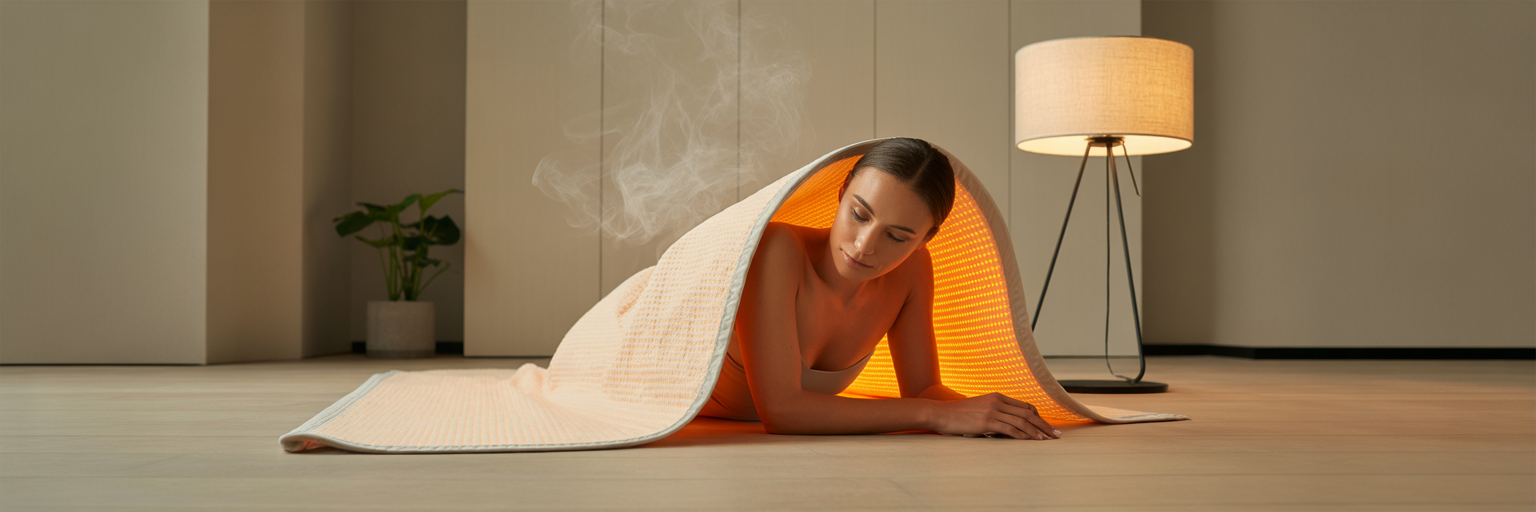
The pursuit of better sleep and lower stress is a constant in modern life. While many solutions focus on mental exercises or supplements, the answer might be rooted in a more fundamental process: heat. The strategic application of heat has been used for centuries for relaxation, but modern technology allows us to harness it with greater precision. This is where infrared sauna blankets come in, offering a targeted approach to physical and mental well-being.
The Science of Heat for Physical Relaxation
An infrared sauna blanket is not just a heated blanket. Unlike traditional saunas that heat the air around you, these blankets use far-infrared rays to warm your body directly. This method allows for deeper penetration into muscle tissue and joints at more comfortable temperatures, typically between 40 and 65°C. Think of it as the difference between standing in a hot room and feeling the sun's warmth on your skin. The heat is delivered exactly where it needs to go.
This direct heat triggers a key physiological response called vasodilation. Your blood vessels widen, much like opening up more lanes on a highway. This improved circulation delivers more oxygen and nutrients to your muscles, helping to flush out metabolic waste. The result is a profound sense of physical release as muscle tension melts away. For anyone dealing with delayed onset muscle soreness (DOMS) after a workout, this process can significantly reduce discomfort and stiffness.
This controlled exposure to heat also introduces a concept known as hormesis. The heat acts as a mild, manageable stressor that prompts your body to activate its own adaptive repair mechanisms. Over time, this strengthens your cellular resilience. The benefits of infrared heat therapy extend beyond simple warmth, conditioning your body to handle stress more effectively. You can explore more about the technology behind our infrared sauna blankets to understand how this works.
This physical unwinding sends powerful calming signals to your nervous system. When your body is no longer holding onto tension, your mind is more likely to follow. Relieving the physical knots and aches creates the perfect foundation for mental quietude, setting the stage for deep rest and recovery.
Enhancing Sleep Cycles with Thermal Regulation
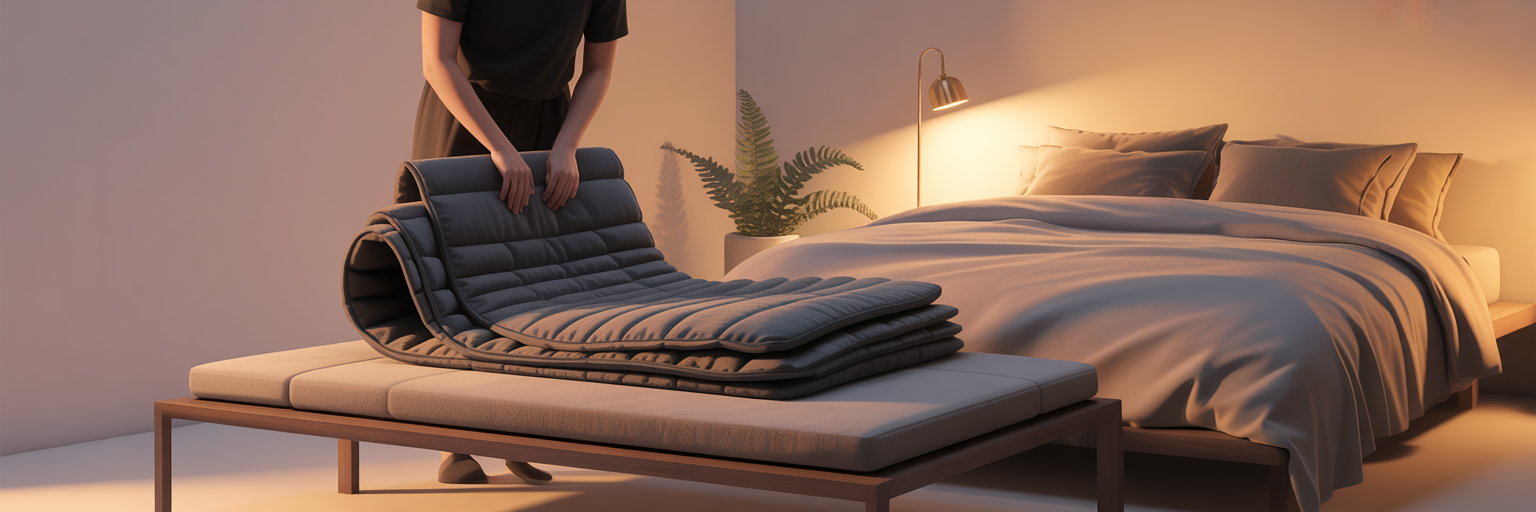
While physical relaxation is a great starting point, the way a sauna blanket influences your core body temperature is what directly impacts your sleep. Your body has a natural 24-hour clock, the circadian rhythm, which governs your sleep-wake cycle. A key signal this clock uses is temperature. To initiate sleep, your core body temperature needs to drop slightly. Have you ever noticed how a warm bath can make you feel sleepy an hour later? A sauna blanket session leverages this same principle with greater precision.
Using a sauna blanket before bed intentionally raises your core body temperature. Once you finish your session and get out of the blanket, your body begins to cool down rapidly. This post-session temperature drop mimics the natural signal your brain is looking for to begin producing melatonin and prepare for sleep. You are essentially giving your circadian rhythm a clear and powerful cue that it is time to wind down.
This process does more than just help you fall asleep faster. Research suggests that this form of thermal regulation can increase the amount of time you spend in slow-wave sleep. This is the deepest and most restorative phase of sleep, where your body focuses on tissue repair, muscle growth, and memory consolidation. Waking up feeling truly refreshed often comes down to getting enough quality deep sleep, not just more hours in bed. The deep relaxation you feel is a key part of this preparation, a topic we have explored in detail.
To make this work for you, timing is everything. The optimal window to use your sauna blanket is about 60 to 90 minutes before you plan to go to sleep. This gives your body enough time to complete the heating phase and then enter the crucial cool-down period, ensuring the temperature drop aligns perfectly with your desired bedtime.
Balancing the Nervous System for Stress Reduction
Chronic stress keeps your body in a state of high alert, governed by the sympathetic nervous system, often called the "fight-or-flight" response. In this state, your heart rate is elevated, your muscles are tense, and your body is flooded with the stress hormone cortisol. An infrared sauna blanket for stress works by helping you shift into the opposite state: the parasympathetic "rest-and-digest" mode, where your body can repair and recover.
The gentle, enveloping heat is a powerful signal to your nervous system to stand down. As your body relaxes, it triggers a cascade of neurochemical and hormonal changes that combat stress at its source. One of the most significant changes involves cortisol. Consistent use of heat therapy has been linked to sauna blanket cortisol reduction. Lowering cortisol levels is critical for managing feelings of anxiety and is directly connected to better sleep, as high cortisol at night can disrupt sleep cycles.
At the same time, the heat encourages your brain to release endorphins. These are the same chemicals responsible for the "runner's high," and they act as natural mood elevators and pain relievers. This release creates a sense of calm and well-being that lingers long after your session ends. It is a feeling of earned tranquility, not a temporary distraction.
Together, these effects create a holistic response to stress. By using one of our infrared sauna blankets, you are not just warming your muscles. You are actively rebalancing your body’s internal systems. The experience combines three key physiological shifts:
- Lower Cortisol: Reduces the primary chemical signal for stress and anxiety.
- Higher Endorphins: Naturally elevates mood and creates a sense of calm.
- Parasympathetic Activation: Shifts your nervous system from a state of alert to one of rest and recovery.
A Practical Routine for Optimal Results
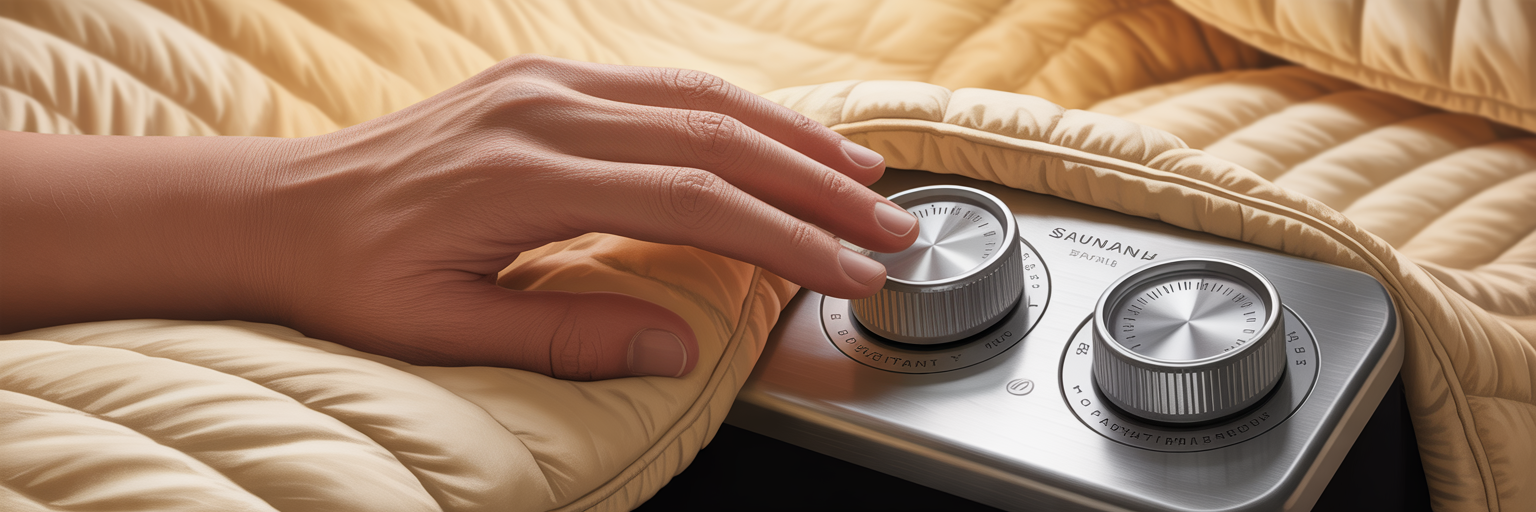
Knowing the science is one thing, but putting it into practice is what delivers results. Creating a consistent ritual around your sauna blanket sessions can transform them into powerful at-home stress relief techniques. It is not just about turning the blanket on; it is about creating an environment that signals to your mind and body that it is time to unwind. Follow these steps to build an effective pre-sleep routine.
- Prepare Your Space: Before you even get in the blanket, set the mood. Dim the lights, put your phone on silent and in another room, and ensure you will not be disturbed. This small step minimizes mental stimulation and starts the relaxation process early.
- Hydrate and Begin: Drink a glass of water before your session. You will be sweating, so starting hydrated is essential. Set your blanket to a comfortable temperature, typically between 49-65°C (120-150°F), for 20 to 40 minutes. If you are new to this, always start with a shorter duration and lower temperature to see how your body responds.
- Embrace the Cool-Down: This is the most important step for sleep enhancement. After your session, towel off any sweat and allow your body to cool down naturally for at least 60 minutes before getting into bed. Avoid a hot shower, as this will raise your body temperature again and counteract the sleep-inducing signal. A lukewarm or cool shower is a better option if you need to rinse off.
- Maintain Consistency: While a single session can provide immediate relaxation, the long-term benefits for sleep and stress are cumulative. Aim for a routine of 3 to 5 sessions per week to consistently support your body’s recovery cycles. For more ideas on building recovery into your life, you can explore the articles on our blog.
| Phase | Recommended Action | Rationale |
|---|---|---|
| Pre-Session | Hydrate with water; dim lights; remove distractions. | Prepares the body for sweating and the mind for relaxation. |
| During Session | Set temperature to 49-65°C for 20-40 minutes. Listen to your body. | Induces therapeutic heat stress without over-exertion. |
| Post-Session | Towel off sweat; allow for natural cooling for 60-90 mins before bed. | Mimics the body's natural temperature drop to trigger sleep. |
| Consistency | Aim for 3-5 sessions per week. | Cumulative benefits for stress and sleep are built over time. |
Note: These parameters are general guidelines. Beginners should always start with shorter durations (15-20 minutes) and lower temperatures to assess individual tolerance.
Safety Protocols and Maximizing Benefits
To ensure your experience is both effective and safe, responsible use is paramount. An infrared sauna blanket is a powerful tool, and respecting its function will help you get the most out of it. The first and most important rule is hydration. You will lose fluids through sweat, so be sure to drink plenty of water before and after every session to replenish what you have lost.
If you are new to heat therapy, start slowly. Your body needs time to acclimate. Begin with shorter sessions of 15 to 20 minutes at a lower temperature and gradually increase the duration and heat as you become more comfortable. Listening to your body is the best guide. It is also essential to recognize that this therapy is not suitable for everyone. Certain individuals should exercise caution:
- Pregnant women should avoid using sauna blankets.
- Individuals with cardiovascular conditions, low blood pressure, or other serious health issues must consult a healthcare professional before use.
- Anyone with a condition that affects their ability to sweat or sense heat should also seek medical advice.
To enhance your session, consider pairing it with other relaxation practices like guided meditation or deep breathing exercises. However, resist the urge to multitask. Checking emails or scrolling through social media stimulates your nervous system and directly counteracts the calming effects you are trying to achieve. The goal is to disconnect. This dedicated time is crucial for understanding how sauna blankets improve sleep and reduce stress effectively. By creating a distraction-free zone, you allow the heat to do its work on both a physical and mental level. This focused approach to recovery is what separates it from other wellness tools, a distinction we explore when comparing it to other modalities in our analysis of different recovery methods.