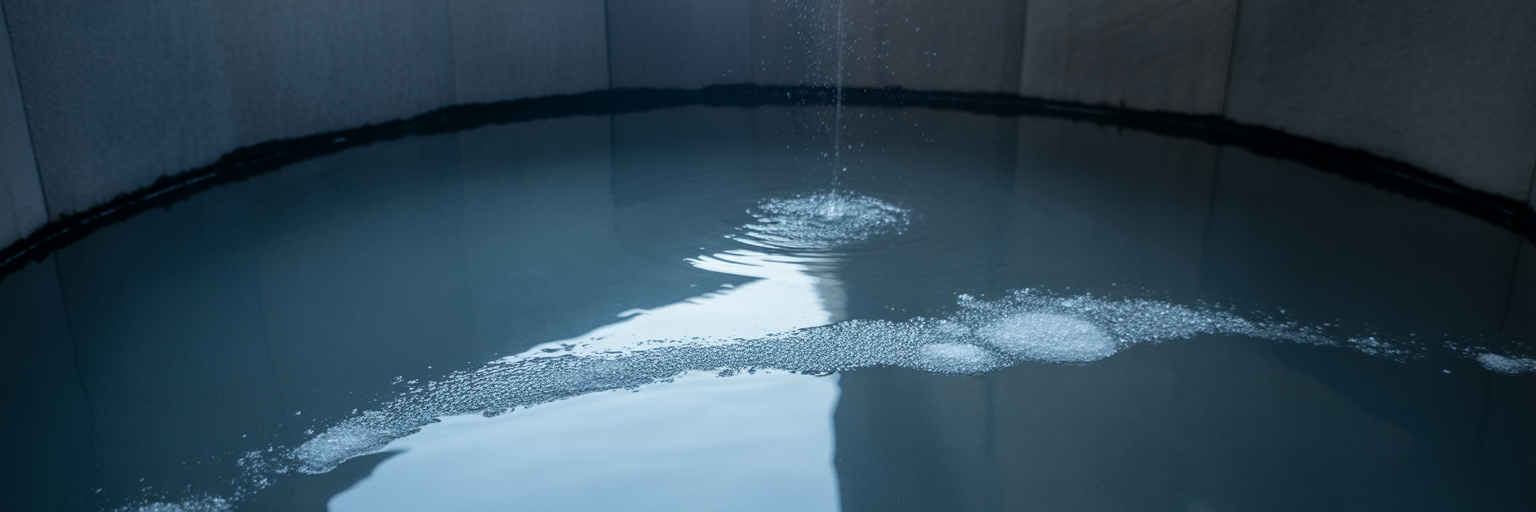
Defining Cold Water Immersion
While cold water immersion feels like a modern wellness trend, its roots stretch back centuries, from the frigidariums of ancient Roman baths to Nordic winter bathing traditions. What has changed is our scientific understanding of its effects. Modern research is finally explaining the precise therapeutic responses triggered by the cold, moving the practice from anecdotal tradition to evidence-based therapy.
Cold plunge therapy is the deliberate immersion of the body in water between 4-15°C (40-60°F). The goal is not to test endurance but to initiate a specific and beneficial biological cascade. This controlled stressor prompts the body to adapt in ways that support recovery and overall health. Understanding this distinction is the first step in learning how does cold water immersion work.
Its recent surge in popularity is driven by both elite athletes seeking a performance edge and wellness enthusiasts looking for natural ways to improve resilience. This interest has been amplified by the growing accessibility of at-home systems. With a variety of our cold plunge tubs now available, individuals can integrate this practice into their daily routines without needing access to a specialized facility.
Ultimately, the practice is about leveraging a brief, intense stimulus to create lasting physiological benefits. The initial shock is just the beginning of a complex chain reaction, which we will explore next.
The Body's Immediate Response to Cold

The moment your body enters cold water, it initiates a powerful and involuntary series of reactions. This is not a conscious process but a primal survival mechanism hardwired into our nervous system. Understanding the science of cold exposure begins with appreciating this immediate, automatic response.
The Initial Cold Shock Response
The first thing you notice is an involuntary gasp for air, often followed by a brief period of rapid breathing. This is the "cold shock response," a direct activation of the sympathetic nervous system, our body's "fight or flight" command centre. While it can feel alarming, learning to control your breathing through this initial phase is the first step toward mastering the practice. It’s a signal that your body is shifting gears to protect itself.
Vasoconstriction and Blood Flow Redirection
Almost instantly, your body initiates vasoconstriction. The blood vessels in your extremities, like your arms and legs, narrow dramatically. This response shunts blood away from the surface of your skin and toward your core, enveloping your vital organs in warmer blood to maintain their temperature. It’s an intelligent, protective manoeuvre that prioritizes survival. This redirection of blood is a critical mechanism that sets the stage for many of the therapy's recovery benefits.
The Hormonal Cascade
This intense physical stressor also triggers a significant hormonal release. Research shows that immersion in cold water can cause levels of norepinephrine to surge by as much as 500% and dopamine by 250%. Norepinephrine is a hormone and neurotransmitter responsible for vigilance, focus, and attention. Dopamine contributes to motivation and mood. This neurochemical flood is what produces the feeling of sharp mental clarity and elevated mood that many people report for hours after a plunge.
Once you exit the water, a rebound effect occurs:
As your body begins to warm up, vasodilation starts, and the constricted blood vessels open up again.
This allows oxygen-rich blood to rush back into your peripheral tissues and muscles.
This flushing process helps clear metabolic byproducts, such as lactic acid, that can accumulate during exercise, aiding muscle recovery.
Key Benefits for Recovery and Well-Being
The immediate physiological shifts described earlier are not just fleeting reactions. They translate into tangible, lasting cold plunge therapy benefits that impact everything from muscle soreness to mental state. By connecting the body's response to real-world outcomes, we can see why this practice has become a cornerstone of modern recovery protocols.
Reduced Muscle Soreness (DOMS)
That process of vasoconstriction does more than just protect your organs. By narrowing blood vessels in the muscles after a workout, it helps limit the inflammatory response and swelling that lead to delayed onset muscle soreness (DOMS). When blood flow returns to the muscles post-plunge, it helps flush out metabolic waste without the same degree of inflammation. This makes cold plunge for muscle recovery a powerful tool for athletes who need to perform again with minimal downtime.
Enhanced Mood and Mental Clarity
The hormonal cascade is not just a momentary jolt. The sustained elevation of norepinephrine and dopamine creates a lasting effect on your mental state. Unlike the fleeting rush from caffeine, this natural boost enhances focus, alertness, and mood for hours. Regular practitioners often report a greater sense of resilience and an improved ability to manage stress. The daily act of facing the cold builds mental fortitude that carries over into other areas of life.
Metabolic Support and Brown Fat Activation
Consistent cold exposure also has profound metabolic effects. It stimulates the activation of brown adipose tissue (BAT), or "brown fat." Unlike white fat, which stores energy, brown fat is metabolically active and burns calories to generate heat. When you force your body to warm itself up after a cold plunge, you are essentially training your brown fat to become more efficient. Over time, this can contribute to improved metabolic health.
While both cold and heat therapies have their place, the choice often depends on your specific goals. As we explore in our comparison of cold plunges and infrared sauna blankets, one might be better for reducing acute inflammation, while the other excels at promoting relaxation and circulation.
Timing and Its Impact on Training Goals

One of the most common questions is when to take a cold plunge for the best results. The answer is not one-size-fits-all. The timing of your cold exposure can either enhance or hinder your training adaptations, depending on your goals. This is a critical nuance that is often overlooked.
The same anti-inflammatory effect that reduces muscle soreness can also blunt the signalling pathways, like mTOR, that are necessary for muscle growth (hypertrophy). Inflammation, in a controlled amount, is a required signal for the body to repair and build stronger muscle tissue. If you suppress it too quickly after a strength workout, you may be short-changing your gains. Therefore, for anyone focused on building strength and size, plunging immediately after a workout is counterproductive.
So, what is the right approach? For endurance athletes or on general recovery days, plunging within a few hours of training can accelerate recovery and reduce soreness for the next session. For strength athletes, it is far better to wait at least 4 to 6 hours post-workout or, even better, use the cold plunge on non-training days. This strategy allows you to get the systemic benefits, like improved mood and metabolic support, without interfering with muscle adaptation. The key is to align your recovery method with your primary objective for that day.
| Training Goal | Optimal Plunge Timing | Primary Benefit | Potential Drawback |
|---|---|---|---|
| Strength & Hypertrophy | Wait 4-6 hours post-workout or use on rest days | Reduces systemic inflammation without blunting muscle growth signals | Delayed relief from immediate post-workout soreness |
| Endurance Training | Within 2 hours post-workout | Accelerates muscle recovery and reduces soreness for next session | Minimal, as hypertrophy is not the primary goal |
| General Well-Being & Mood | Any time of day (e.g., morning) | Maximizes hormonal benefits for focus and mood | None related to training adaptation |
| Skill-Based Training | Any time post-session | Enhances nervous system recovery and reduces mental fatigue | None related to physical adaptation |
Evidence-Based Protocols for Optimal Results
To move from theory to practice, it helps to follow a structured approach. While simply getting into cold water is beneficial, adhering to an evidence-based cold plunge protocol can optimize your results and ensure consistency. The goal is not to endure misery but to apply a precise dose of stress that elicits a positive adaptation.
A widely cited guideline is the Søberg Protocol, which, as detailed in a 2024 guide by The Biological Edge, suggests a total of 11 minutes of cold exposure per week. This is typically broken down into two to four shorter sessions of 2-5 minutes each. This approach emphasizes that you do not need long, punishing sessions to reap the rewards. Consistency trumps intensity.
A key component of this protocol is to end on cold. This means resisting the urge to immediately jump into a hot shower. By allowing your body to warm up naturally, you force it to activate brown fat and ramp up its internal thermostat, maximizing the metabolic benefits of the session. The shivering you experience is a sign that your body is working to generate heat. Just as a successful content strategy relies on a clear, research-backed framework to guide actions, achieving the best results from cold exposure depends on following a structured protocol.
Finally, it is important to find your "minimum effective dose." This means using a water temperature that feels challenging and uncomfortable but is ultimately manageable and safe. For some, that might be 15°C (59°F), while for others, it could be 5°C (41°F). The right temperature is the one you can consistently return to. For those interested in exploring more wellness topics, our blog offers a wealth of information.
Safety Guidelines for At-Home Cold Plunging
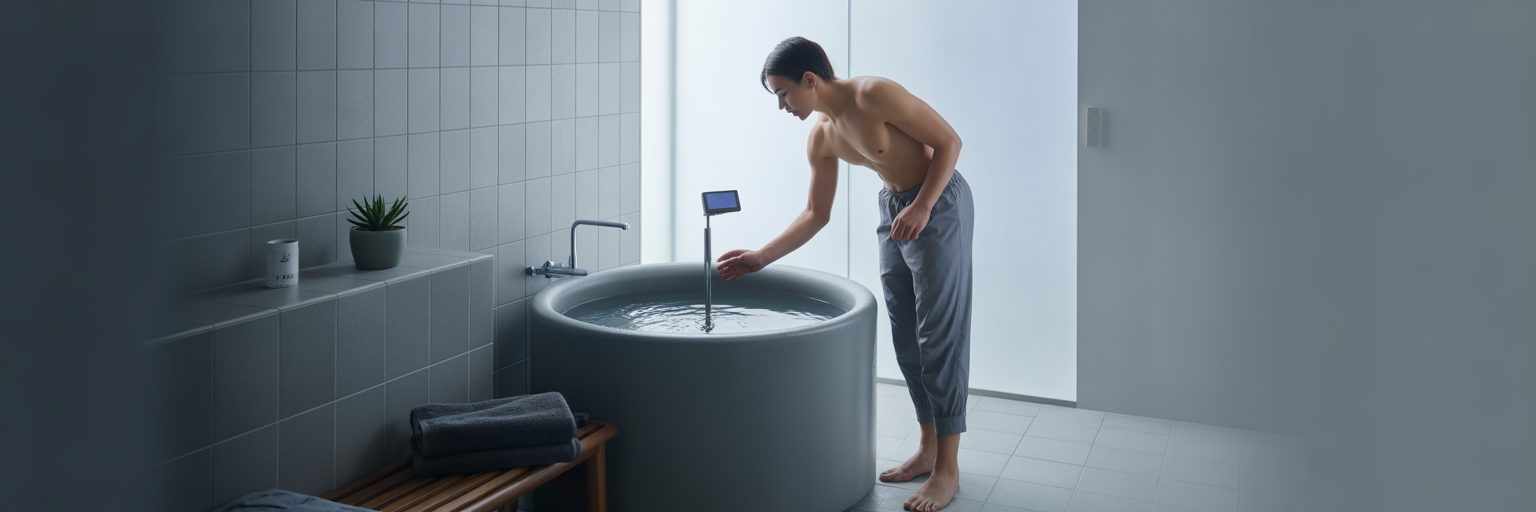
While cold plunge therapy offers significant benefits, it must be approached with respect and caution. Safety should always be the top priority. Before beginning any cold exposure routine, it is strongly advised to consult with a physician, especially if you have any pre-existing cardiovascular conditions, high blood pressure, or other health concerns.
For beginners, the key is to start slow. There is no need to jump into near-freezing water on your first attempt. Begin with a safe cold plunge temperature around 12-15°C (55-59°F) for short durations of just one to two minutes. This allows your body to acclimate gradually. Modern equipment, like our Plunge All-In Cold Plunge System, allows for precise temperature control, which is invaluable for creating a safe and repeatable environment.
Follow these non-negotiable safety rules every time you plunge:
Never plunge alone. Always have someone nearby in case you feel unwell.
Enter the water slowly and deliberately. This helps manage the initial cold shock and prevents an uncontrolled gasp reflex.
Focus on controlled breathing. Slow, deliberate exhales will help calm your nervous system and prevent hyperventilation.
Listen to your body. Exit the water immediately if you feel dizzy, lightheaded, excessively numb, or unwell. Pushing past your limits is dangerous.
After your plunge, have a towel and warm clothes ready. However, remember the benefit of letting your body warm itself up naturally. A little shivering is a good sign that your metabolism is kicking into gear. By following these guidelines, you can make cold plunging a safe and effective part of your wellness routine.