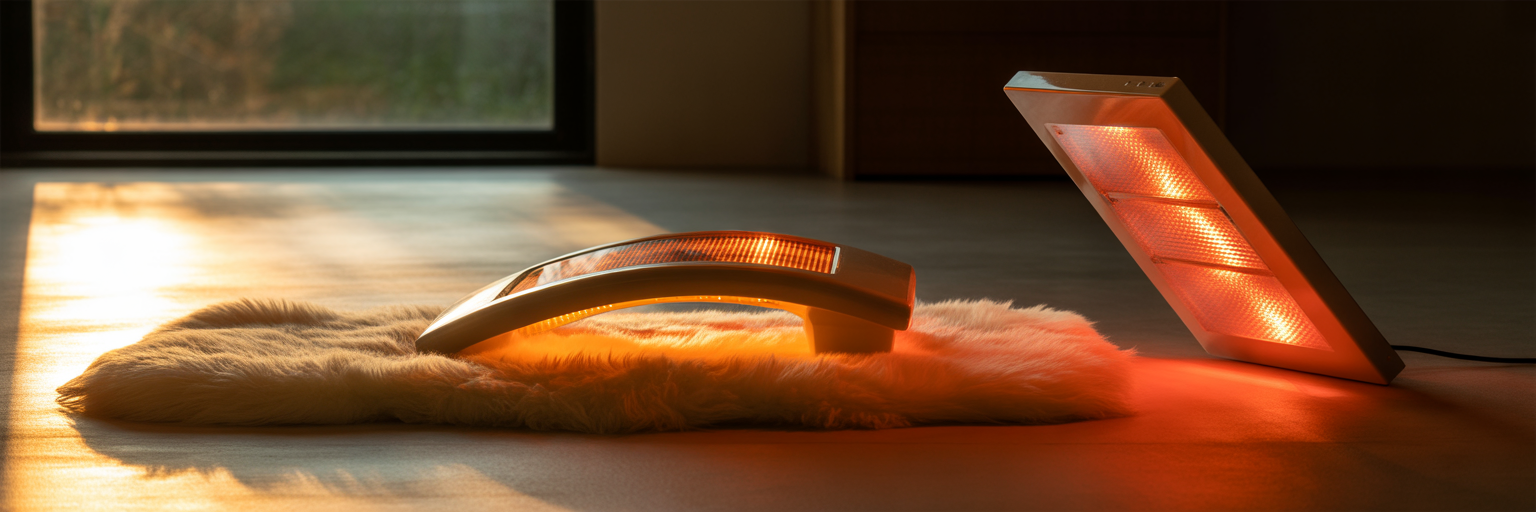
The Link Between Recovery, Sleep, and Daily Vitality
Modern performance science has shifted its perspective. Recovery is no longer seen as just a reaction to intense exercise, but as a proactive strategy for daily life. The quality of our waking hours, our focus, and our energy are directly determined by the quality of our rest. This is where the concept of passive recovery becomes essential. It involves methods that support the body’s restorative processes without requiring active effort, making them incredibly accessible for anyone.
While getting eight to ten hours of quality sleep remains the non-negotiable foundation for hormonal balance and tissue repair, certain tools can significantly amplify its effectiveness. Think of them not as sleep replacements, but as powerful enhancers that optimise the body's natural cycles. Understanding how to improve sleep quality is the first step, and these technologies are the next.
They work by calming the nervous system, reducing inflammation, and supporting cellular repair, all of which contribute to deeper, more restorative sleep. The result is not just feeling less tired, but experiencing a noticeable improvement in daily performance, mental clarity, and overall well-being. For those new to building a holistic wellness routine, exploring these concepts is a great place to start here. By integrating these tools, you are not just resting; you are actively rebuilding your capacity for the day ahead.
Tool 1: Non-Sleep Deep Rest for Central Nervous System Reset
Many people confuse Non-Sleep Deep Rest (NSDR) with general meditation, but it is a specific protocol with a clear objective. It guides your body into a state of profound relaxation while you remain conscious, intentionally mimicking the restorative state your brain enters just before you fall asleep. The primary mechanism is a deliberate shift of the autonomic nervous system from a sympathetic (fight-or-flight) state to a parasympathetic (rest-and-digest) one.
This process has tangible physiological effects. As an article in Psychology Today highlights, NSDR helps lower cortisol, the body's main stress hormone. It also helps restore baseline dopamine levels, which are critical for motivation, focus, and drive. This is why a short 10 to 30 minute session can combat midday fatigue more effectively than a cup of coffee, providing a clean mental reset without the jitters. The chronic stress seen in demanding professions, where some have faced serious health issues as reported by sources like Like A Boss, underscores the critical need for such nervous system regulation practices.
To practice one of the most effective non sleep deep rest techniques, follow this simple framework:
- Find a quiet, comfortable space where you can lie down without interruptions.
- Use a guided script or audio, as the structured guidance is key to the protocol.
- Focus on the instructions, which typically involve a systematic body scan and focused breathing to bring your awareness inward.
This practice trains your brain to disengage from external stimuli and internal chatter, creating a powerful reset for both mind and body.
Tool 2: Cold Water Immersion for Reduced Inflammation and Alertness
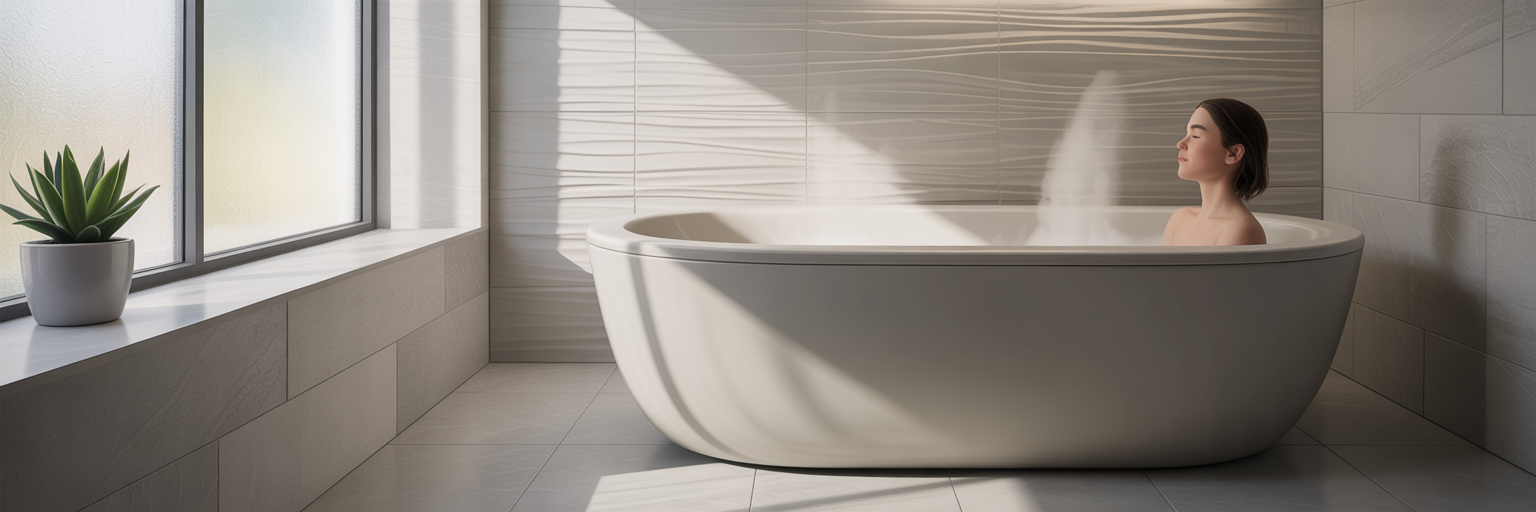
Cold water immersion offers a powerful combination of benefits for both physical recovery and mental alertness. Its primary role in recovery is the significant reduction of delayed onset muscle soreness (DOMS) after intense activity. By constricting blood vessels and decreasing metabolic activity, it helps flush out inflammatory byproducts, which in turn allows for deeper, more restorative sleep without the distraction of aching muscles.
Beyond physical repair, the immediate impact on energy is profound. The shock of the cold water triggers a massive release of norepinephrine in the brain. This neurotransmitter dramatically increases focus, vigilance, and mood, providing a potent, non-caffeinated energy boost that can last for hours. It’s a clear and direct way to sharpen your mind. However, a balanced perspective is important. Evidence suggests avoiding cold immersion immediately after strength training if muscle growth is the primary goal, as it can blunt the necessary adaptive inflammatory response.
For those looking to integrate one of the most effective at home recovery systems, starting gradually is key. Our range of cold plunge tubs offers options for every level. Here is a simple protocol to get started:
| Week | Method | Duration | Target Temperature |
|---|---|---|---|
| Week 1 | Cold Showers (last 30s of shower) | 30-60 seconds | As cold as tolerable |
| Week 2 | Cold Showers | 1-2 minutes | Consistently cold tap water |
| Week 3 | Cold Plunge or Ice Bath | 1-3 minutes | 15°C (60°F) |
| Week 4 | Cold Plunge or Ice Bath | 3-5 minutes | 10-12°C (50-55°F) |
This progression allows your body to adapt safely, turning a challenging practice into a sustainable habit for enhanced recovery and vitality.
Tool 3: Infrared Sauna for Deep Relaxation and Systemic Recovery
It is important to distinguish infrared saunas from their traditional counterparts. Instead of heating the air around you, they use infrared light to heat your body directly from within. This allows for deeper heat penetration at lower, more comfortable ambient temperatures, making the experience more tolerable and often more effective for relaxation.
The mechanism for sleep improvement is twofold. First, the gentle, penetrating heat helps lower cortisol levels and deeply relax tense muscles. More importantly, the session triggers a post-sauna cool-down of your body's core temperature. This gradual drop is a powerful biological signal that tells your brain it is time to initiate sleep. This is one of the most significant infrared sauna benefits for those struggling with sleep onset.
This deep relaxation is why, as we've explored in our blog, sauna blankets leave you feeling so relaxed. In terms of energy, regular use improves circulation and helps reduce systemic inflammation, two factors that contribute to less chronic fatigue over time. By supporting your body’s detoxification pathways, you are effectively lightening its overall load, freeing up energy for daily tasks. For those weighing different options, our comparison of cold plunge versus infrared sauna can help clarify which tool best fits your goals.
Tool 4: PEMF Therapy for Foundational Cellular Recharge
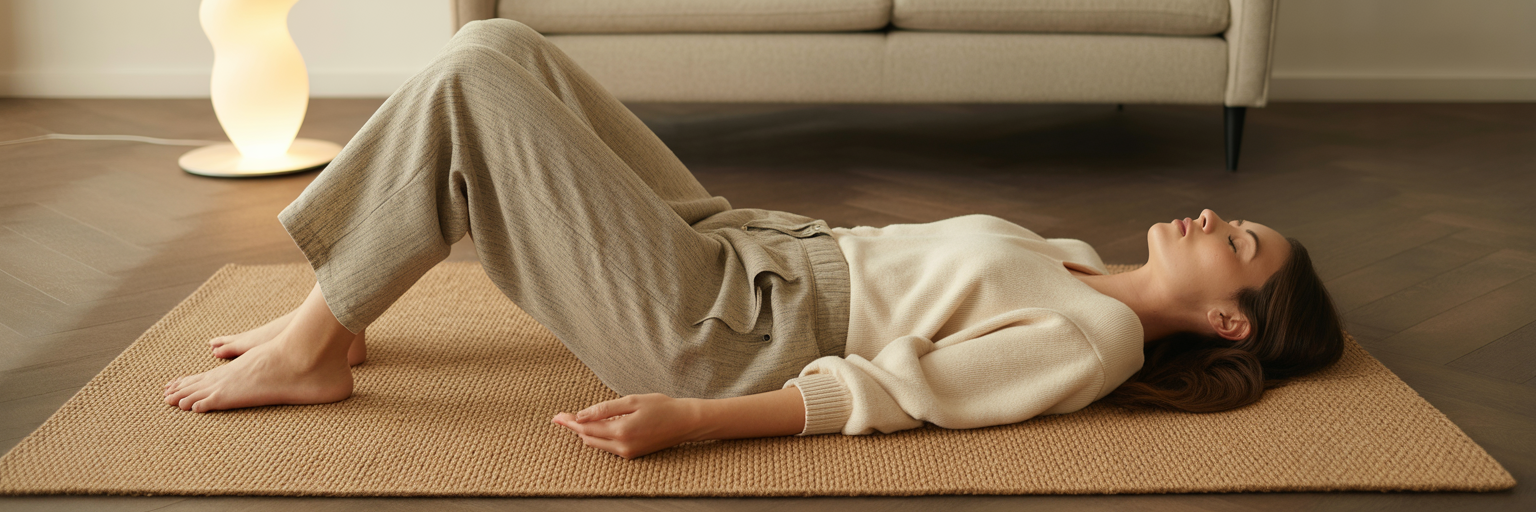
Pulsed Electromagnetic Field (PEMF) therapy can be understood with a simple analogy: it acts like a battery charger for your body's cells. Without getting lost in technical details, it uses gentle electromagnetic pulses to stimulate and recharge cells, optimising their function from the ground up. This makes it one of the most foundational passive recovery tools available.
For sleep, PEMF therapy helps balance the autonomic nervous system. It encourages a shift away from a stressed, 'fight-or-flight' state and toward a calm, parasympathetic state that is essential for deep and restorative rest. By calming the nervous system at a foundational level, it prepares the body for quality sleep without any active effort from the user.
Its role in boosting energy is directly tied to cellular function. As we explain in our guide, what is PEMF therapy, the technology optimises mitochondrial function to enhance the production of ATP, which is the primary energy currency of the body. When your cells are better at producing energy, you experience improved physical stamina and reduced fatigue. It is not a stimulant but rather a tool that supports the body’s innate repair and energy production mechanisms, which are most active during sleep.
Tool 5: Red Light Therapy for Circadian Rhythm and Mitochondrial Health
Red and near-infrared light therapy works by delivering specific wavelengths of light that penetrate the skin and are absorbed by the mitochondria within our cells. The unique advantage of this tool lies in its powerful effect on sleep regulation. Unlike the blue light from our screens, which is known to suppress melatonin and disrupt sleep, evening exposure to red light is non-disruptive. In fact, research from institutions like the National Center for Biotechnology Information suggests it can support the body's natural melatonin production, helping to solidify a healthy circadian rhythm.
This direct support for your body's internal clock is one of the most effective natural ways to boost energy. When your sleep cycle is properly aligned, your energy levels during the day become more stable and robust. The connection to energy is further strengthened by its effect on mitochondria. By stimulating these cellular powerhouses, red light therapy boosts ATP synthesis. This translates directly to reduced fatigue and improved physical performance, as your body becomes more efficient at producing energy at the cellular level.
Its convenience is another major benefit. A 10 to 15 minute session with one of our red light therapy panels can be easily incorporated into a pre-sleep routine, providing a non-invasive way to support both sleep quality and daytime vitality.
Creating Your Personalized Recovery Protocol

The most effective recovery strategy is one that is built for you, by you. Consistency with these tools will always yield better results than isolated, intense sessions. The key is to listen to your body and use data to guide your decisions. Wearable technology that tracks metrics like Heart Rate Variability (HRV) and sleep stages can be invaluable, but remember to focus on long-term trends rather than fixating on a single night's data.
To begin your self-experimentation, follow this simple framework:
- Establish a Baseline: Track your sleep and energy levels for two weeks without any new tools to understand your starting point.
- Introduce One Tool: Choose one recovery method and use it consistently for two to four weeks.
- Evaluate the Trend: Review your data. Did your deep sleep increase? Is your HRV trending up? Do you feel more focused in the afternoon?
Once you understand how each tool affects you, you can begin "stacking" protocols for synergistic effects. For example, you might use an infrared sauna blanket to relax your body, followed by a 10-minute NSDR session to quiet your mind right before bed. This combination addresses both physical tension and mental chatter, creating an ideal state for sleep. For more ideas and insights, we encourage you to explore our full range of articles on the blog.
| Tool | Primary Sleep Benefit | Primary Energy Benefit | Best For |
|---|---|---|---|
| NSDR | Calms the central nervous system | Restores dopamine for focus | Midday mental reset, pre-sleep wind-down |
| Cold Immersion | Reduces muscle soreness for deeper sleep | Norepinephrine release for alertness | Post-workout recovery, morning energy boost |
| Infrared Sauna | Lowers core body temp to signal sleep | Improves circulation, reduces inflammation | Evening relaxation, systemic detoxification |
| PEMF Therapy | Promotes a parasympathetic state | Enhances cellular ATP production | Foundational daily recharge, deep repair |
| Red Light Therapy | Supports natural melatonin production | Boosts mitochondrial energy synthesis | Circadian rhythm regulation, targeted recovery |